Acupuncture was linked to greater motor gains and brain changes than sham treatment in stroke patients during a two-week trial.
The study involved 56 people who had experienced a stroke.
Participants had post-stroke hemiplegia, meaning severe weakness or paralysis on one side of the body.

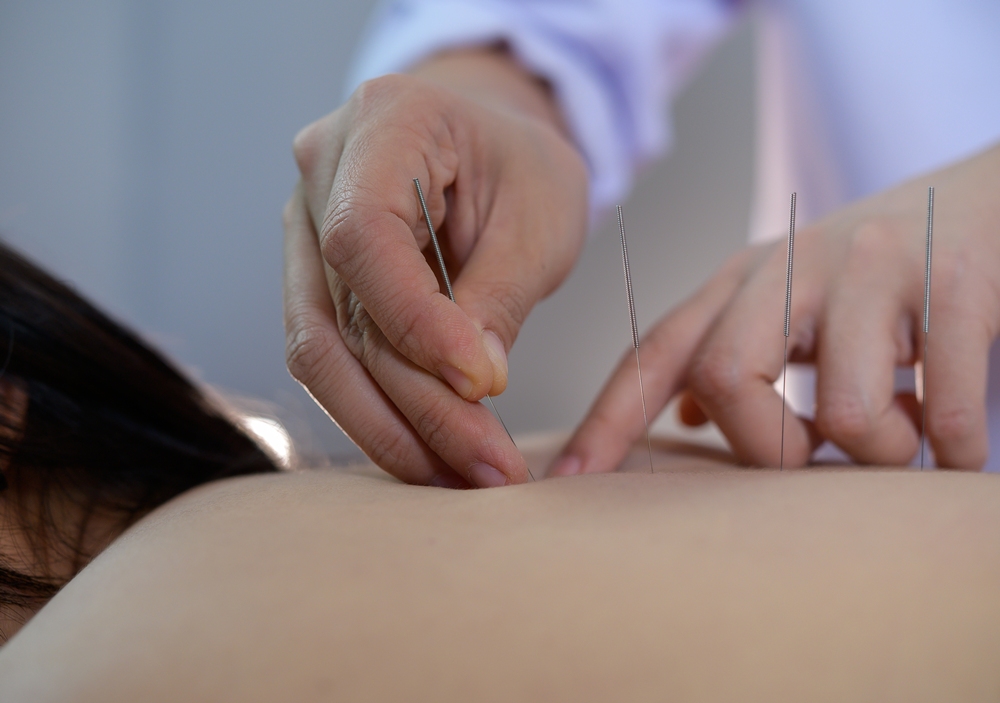
They were randomly assigned in a two-to-one ratio to receive either real acupuncture or sham acupuncture as a comparison treatment over two weeks.
At the end of the treatment period, researchers assessed neurological impairment, limb control and overall motor recovery.
Magnetic resonance imaging, known as MRI, was also used to examine changes in the structure and activity of participants’ brains.
After some participants were excluded because they did not complete treatment or their MRI data was unsuitable, 46 were included in the final brain imaging analysis.
Motor function improved in both groups, but those who received real acupuncture showed greater gains in limb control and overall motor recovery than those given sham treatment.
These improvements were accompanied by changes in the default mode network, a group of connected brain regions involved in attention, self-awareness and mental processes that can help guide movement.
MRI analysis showed that this network became less disjointed, or fragmented, after real acupuncture, with a trend towards lower flexibility. Greater reductions in disruption were linked to stronger improvements in motor function.
The treatment was also linked to increased grey matter volume in areas involved in processing sensory and movement information and coordinating thought with physical action.
Participants with larger reductions in disruption to the default mode network and greater increases in grey matter volume also tended to show stronger improvements in motor impairment and recovery.
The findings suggest acupuncture may support stroke rehabilitation by encouraging changes in both brain activity and structure.
However, the researchers said MRI measurements of grey matter volume indicate structural adaptation and are not direct evidence of changes at the level of individual brain cells.
Participants receiving sham acupuncture also recorded some improvement. The researchers said this may have reflected placebo effects and the standard medication given to both groups.
The study did not find a statistically significant group-by-time interaction, meaning it could not conclusively show that the pattern of improvement over time differed between the groups.
The trial also had no long-term follow-up, so it remains unclear whether the brain changes will lead to lasting improvements in physical function.
The researchers said larger studies with longer follow-up periods are needed to confirm the findings and clarify whether acupuncture could play a role as a complementary treatment alongside conventional stroke rehabilitation.