


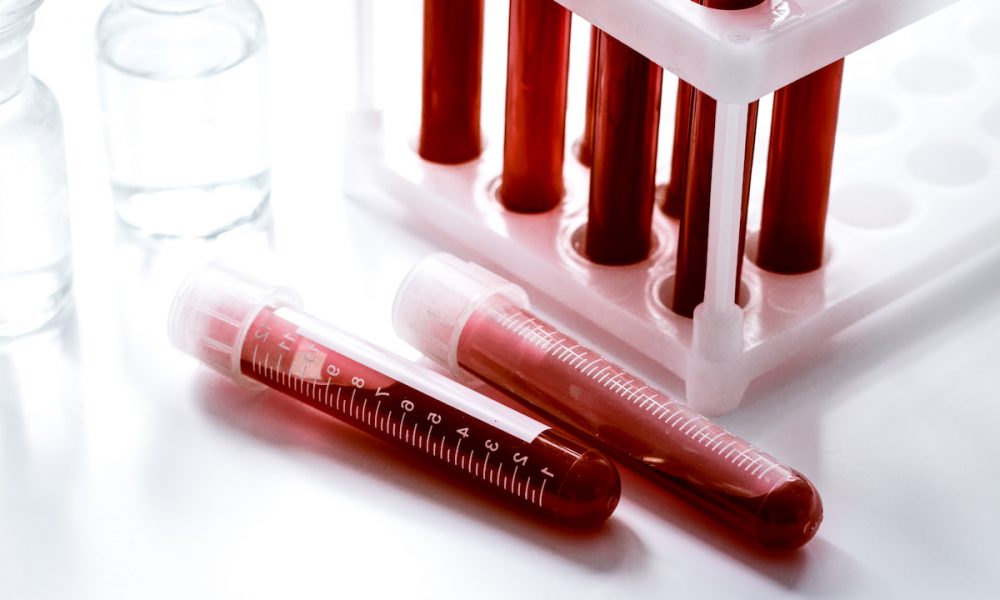
Blood treatment could help treat stiff person syndrome, a rare neurological disorder, according to a US study.
Stiff person syndrome is a rare neurological disorder with features of an autoimmune disease, that causes muscle stiffness and spasms in the torso and limbs.
SPS can also be characterised by heightened sensitivity to stimuli such as touch, noise and emotional distress, all of which have potential to set off a spasm.
Patients with the disorder at first will experience symptoms that will come and go, however, they will eventually become constant.
The spasms and stiffness will usually begin in the torso and leg muscles and over time can move to also affect the arms and even the face.
The disorder can leave the sufferer too disabled to walk or be able to move at all, not only this, it can also can cause those with the disorder to be too afraid to leave their home.
This fear of the outside world is caused by the threat of the outdoor noise pollution that could have the potential of causing a spasm or a fall.
SPS affects twice as many women as it does men and is often linked with other autoimmune diseases such as thyroiditis, diabetes and vitiligo.
Those with SPS have elevated levels of glutamic acid decarboxylase antibodies (GAD) in the blood. GAD is an antibody that goes against an enzyme in the synthesis of an vital neurotransmitter in the brain.
A diagnosis of SPS can be made with a blood test that measures the level of GAD antibodies in the blood.
New research had been conducted by scientists at Johns Hopkins University in Baltimore, Maryland.
The study proposes that a blood treatment known as plasmapheresis or therapeutic plasma exchange, could potentially be a safe way to treat stiff person syndrome spectrum disorders.
Researchers on the study have found so far in the preliminary stage of the study that participants have experienced an improvement in symptoms or function, or in some cases both, whist being treated with this therapy.
Study author Scott D. Newsome said: “Stiff person syndrome spectrum disorders are rare, and while there are some treatments for varying forms of these disorders, they are not always effective at reducing symptoms or preventing worsening of function.
“Finding a new way to treat a debilitating and painful disease that has few side effects or risks is a big win. The findings of our research help promote awareness of a treatment that may lead to relief for some people living with stiff person syndrome spectrum disorders.”
Researchers on the study looked at the medical records of 36 individuals who suffer with stiff person syndrome spectrum disorders who had undergone plasmapheresis.
This process cleans the blood removing and replacing an individuals blood plasma with albumin, which is a product manufactured from donated plasma to treat specific diseases.
Of those patients that had been treated, the majority had classic stiff person syndrome.
Researchers have found that this therapeutic plasma exchange process is a safe and tolerable form of treatment for those with SPS. 11% of patients part of the study had complications from the treatment, such as catheter infection or haemorrhage. No deaths of anaphylaxis have been reported.
Other cases were also reviewed and an additional 42 individuals with SPS who underwent the same treatment were identified. Of the 42, 69% reported a temporary improvement in their condition.
“While the main focus of the study was safety, and we showed that complications from this treatment in people with stiff person syndrome are rare and manageable, it’s very important that many people saw improvements or maintained the same level of function,”
“Further studies could confirm these results and help inform doctors when to use this treatment for stiff person syndrome spectrum disorders.” Said Newsome.
A limitation of this study, however, is that it was retrospective, thus meaning that researchers looked back at medical records rather than following study participants in real time.
Another limitation is the small sample size of the study, although, Newsome noted that this is the largest case series to date.


