



Tech & industry
A new US$3m research centre will study HIV-related brain injury and seek biomarkers that could support new diagnostics and potential treatments. The New York-New Jersey Center for Actionable NeuroHIV Biomarkers, known as NYJ-CAN-BIO, is being developed through a four-year grant. The centre will give researchers access to expertise, training and technologies to investigate how HIV [...]
Kneu Health has added Apple Watch tracking of tremor and dyskinesia to its smartphone monitoring platform for people with Parkinson's disease. The feature continuously measures tremor and involuntary movements between clinic visits, alongside motor and cognitive assessments already available through Kneu's smartphone platform. It combines this information with passive activity data from an Apple Watch, [...]
Researchers in Germany have secured €1.1m to advance an MS skin patch designed to deliver an asthma drug and promote repair of damaged myelin. The experimental patch delivers low doses of theophylline, a drug used to treat respiratory conditions including asthma, through the skin over several days. Preclinical studies found that theophylline helped promote myelin [...]
Hopledo has been approved in the EU for adults with Parkinson's disease who experience motor fluctuations despite medication. The European Commission decision follows a positive recommendation from the Committee for Medicinal Products for Human Use, the European Medicines Agency committee responsible for assessing medicines seeking EU approval. Hopledo, also known as IPX203, is an extended-release [...]
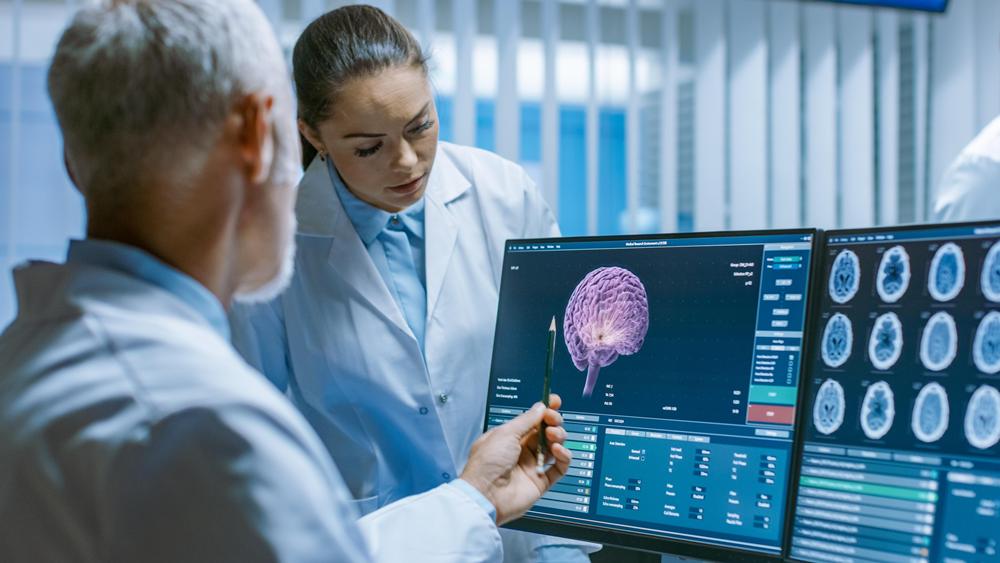
Deep brain stimulation may improve speech and swallowing control after traumatic brain injury, early research suggests. A proof-of-concept study found that low-frequency electrical stimulation of the motor thalamus improved control of facial and tongue muscles used in speaking and swallowing. The motor thalamus is a deep brain region connected to the motor cortex. Researchers suggest [...]

Brain state may help predict how people with epilepsy respond to electrical stimulation, a study suggests. Researchers found that the same electrical stimulation could have markedly different effects depending on patterns of brain activity immediately beforehand. The results suggest that timing treatment according to a patient's current brain activity could make neuromodulation more consistent. Neuromodulation [...]
The final patient has begun dosing in a trial of a nasal therapy for non-active secondary progressive multiple sclerosis. The phase 2a study is evaluating the safety, tolerability and efficacy of foralumab compared with a placebo, an inactive treatment. Headline results are expected later this year and are planned for presentation at the joint ACTRIMS-ECTRIMS [...]
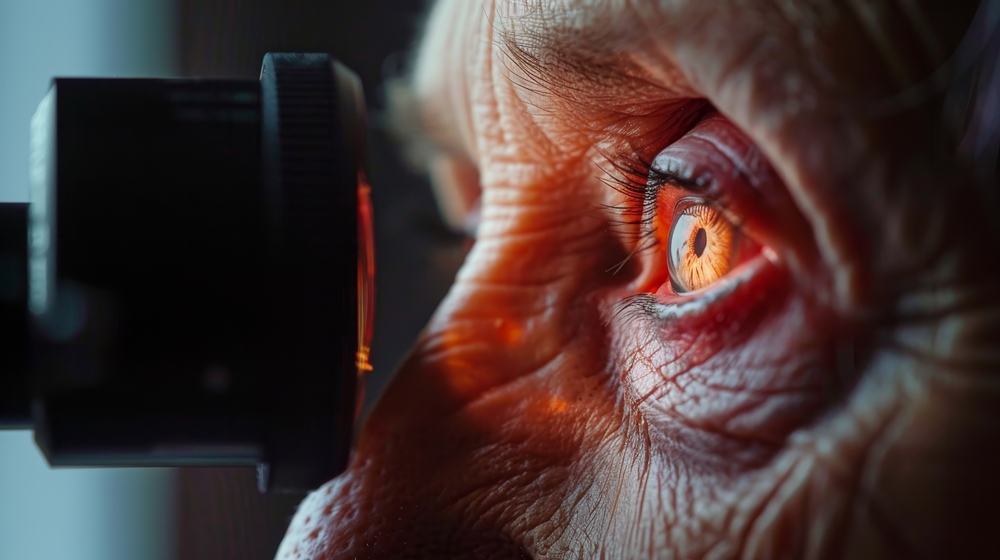
Retina photos could help predict common Alzheimer’s risk factors, new research suggests. The study found that simple photographs of the retina, the light-sensitive layer at the back of the eye, may offer clues about future brain health. Researchers said the images can predict many common risk factors associated with developing Alzheimer’s disease. [...]
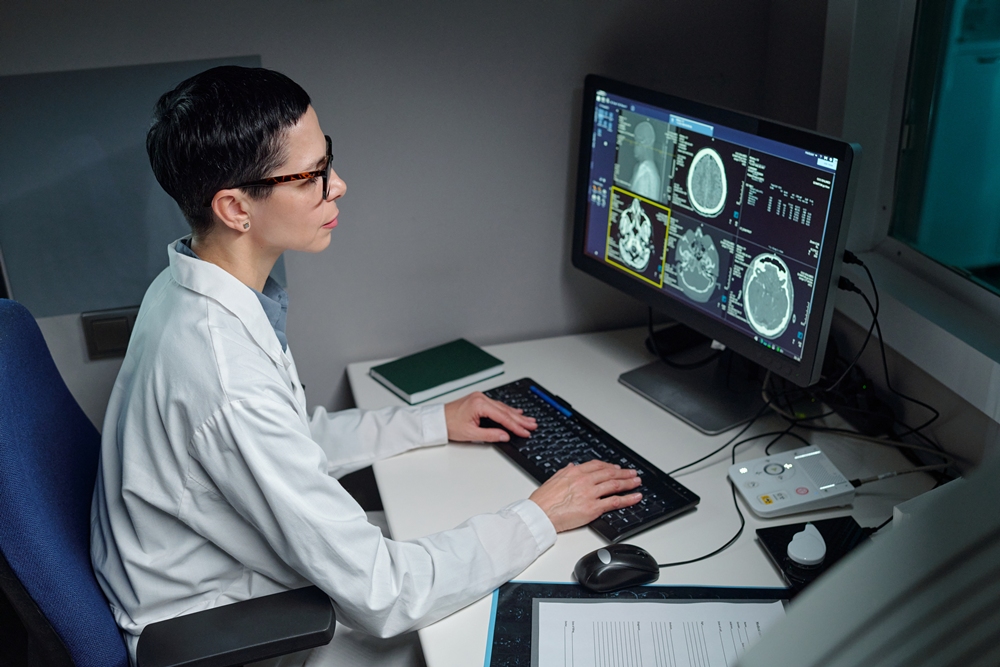
A new brain monitor could detect infections earlier after brain injury and help reduce healthcare costs, researchers say. The system was created by a research team led by the University of Waterloo to support patients in intensive care units. Dr Mahla Poudineh, professor of electrical and computer engineering at the University of [...]
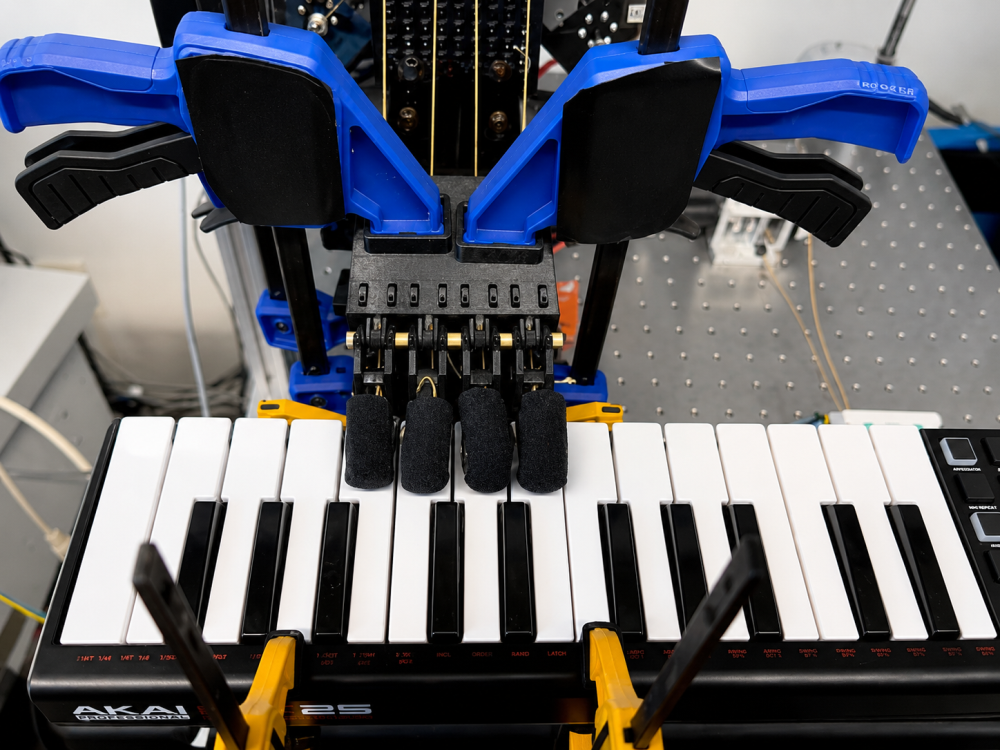
US researchers have developed a robotic hand that can hear a melody once and play it back after just two minutes of self-taught practice on a keyboard, without relying on sheet music or pre-programmed scores. The scientists say that the approach could pave the way for new Parkinson’s therapies. The hand grew so capable that [...]


