




Stroke

A new government stroke plan aims to prevent thousands of premature deaths through improved prevention, treatment and rehabilitation. The Cardiovascular Disease Modern Service Framework is intended to support better prevention, earlier diagnosis, faster treatment and more consistent care across health and care services. Around 33,000 people die prematurely from heart disease and stroke in the [...]
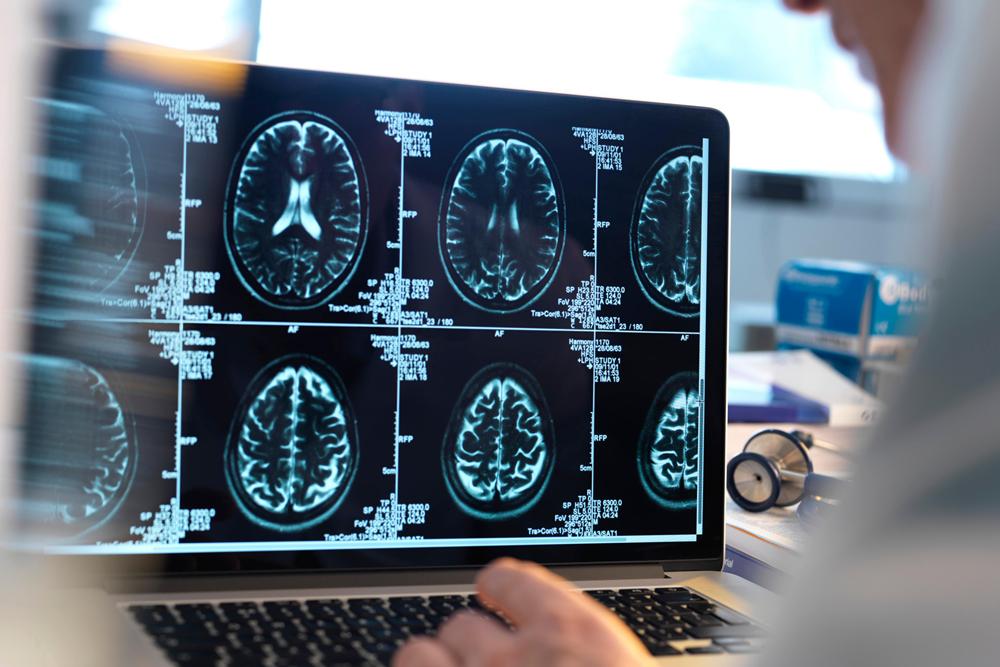
Artery widening, rather than fatty plaque, has been strongly linked to lacunar stroke and may help explain why preventive treatments often fail. The findings may explain why aspirin and other antiplatelet medicines have had limited success in preventing this common type of stroke. Antiplatelet drugs make blood cells called platelets less likely to stick together [...]

A temporary gene pattern may help explain neck artery tears that cause one in five strokes in people aged under 55. The findings could help identify people at risk of cervical artery dissection and inform ways to prevent strokes in younger adults. A cervical artery dissection is a tear in the wall of an artery [...]

Drug-induced hypometabolism may slow stroke-related brain damage, according to early research involving animals and people. The experimental treatment uses two existing medicines to reduce metabolism and create a state resembling hypothermia. Tests in mice and rhesus monkeys found that the approach protected brain tissue, while an early trial involving 32 stroke patients reported no notable [...]
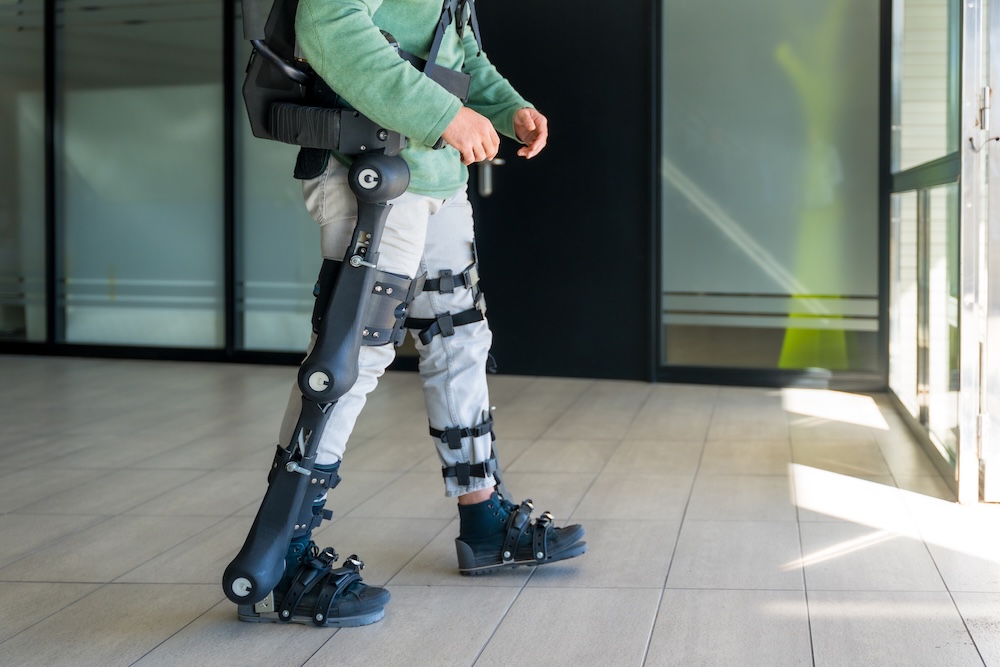
Linked robotic exoskeletons could improve stroke gait training by allowing therapists and patients to influence each other’s movements in real time, new research suggests The system links two wearable robotic devices, allowing a therapist to guide a patient’s hip and knee movements using their own legs. In evaluations involving eight stroke survivors, participants showed greater [...]

Former Labour MP Jonathan Ashworth is campaigning for greater blood pressure awareness after suffering a stroke on New Year’s Day. The 47-year-old, who represented Leicester South from 2011 to 2024, said he had not known that he was living with dangerously high blood pressure. He regrets missing routine GP health checks and is now urging [...]
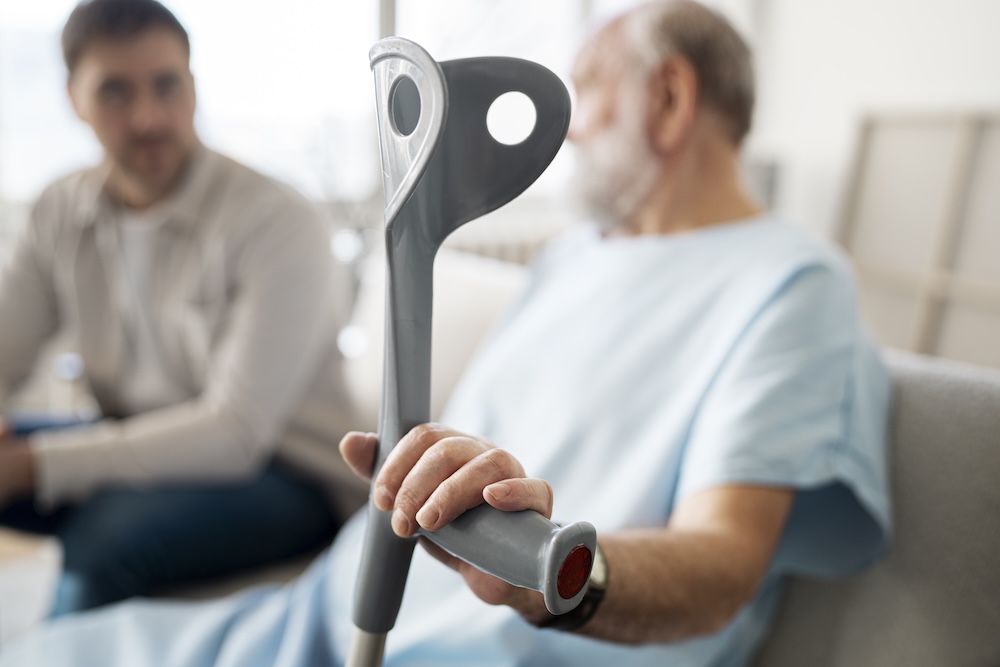
Neuro-rehab innovator Bioxtreme has launched Dextreme 2.0, an enhanced version of its robotic rehabilitation platform that combines patented Error Augmentation technology, adaptive AI and immersive 3D therapy to accelerate motor recovery after stroke and other neurological injury. The company, based in Petach Tikva, Israel, says the next-generation system is designed to improve upper-extremity recovery in [...]

Microplastics exposure may be linked to higher rates of stroke, diabetes and high blood pressure in coastal communities, a new analysis suggests. Microplastics are tiny synthetic plastic particles measuring less than 5mm. They have been found in oceans, drinking water, food supplies and human tissues. The analysis found that areas with higher marine microplastic levels [...]

Vermont has become the first US state to ban paraquat, amid concerns over studies linking the herbicide to Parkinson’s disease. Phil Scott, the governor, signed the legislation on Tuesday. The new law takes effect on November 1, although it allows state regulators to issue special permits for paraquat use on fruit-producing tree orchards, berries and [...]

A rapid stroke test that can show whether a common drug will work is being piloted at a new Nottingham clinic. The cheek swab test is being offered at Queen’s Medical Centre, where a new clinic is assessing and treating patients after suspected minor stroke. It can show within hours whether a patient carries a [...]


