



Cognivate

By Ronda Boswell, neuro occupational therapist, Cognivate Rehab The way we perceive and process the world around us is fundamental to how we navigate our lives. Our sensory experiences - the sound of a busy office, the brightness of the sky or the feel of a familiar tool in our hands - form the backdrop [...]
The new issue of NR Times is now live and packed with exclusive news and insights. If there’s a thread running through this issue, it’s the idea that behind every clinical task sits a person - and that the best rehabilitation never loses sight of them. Our cover feature explores exactly that. Dr Ronda Boswell [...]
Communication difficulties following a brain injury can take many forms. But too often, when someone struggles to speak, find words or process language at the usual pace, the people around them - however well-meaning - begin to speak for them. How do families, carers, therapists and lawyers make sure that what's heard is truly the [...]
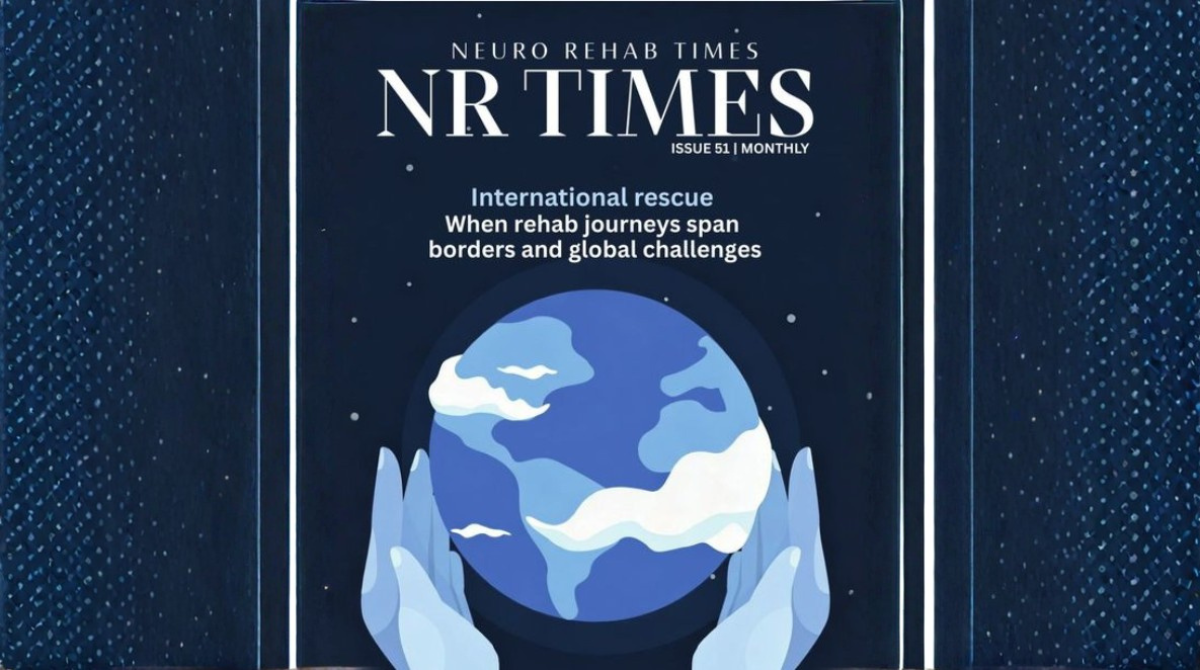
The new edition of NR Times shines a spotlight on the innovation, resilience and evolving science shaping brain and spinal rehabilitation today. Issue 51 explores the realities of recovery beyond traditional boundaries, from a remarkable case of cross-border rehabilitation and the growing role of neurological music therapy, to cutting-edge advances in virtual reality, robotics and [...]
By Dr Liz Acland, neuropsychologist, Cognivate Community neurorehabilitation requires complex therapy provision. Case managers must frequently coordinate comprehensive programmes involving a range of specialist therapies, such as neuropsychology, occupational therapy, physiotherapy and speech and language therapy. Each clinician brings specialist knowledge, discipline-specific formulations, and professional measures of progress. However, when rehabilitation plans are developed in [...]
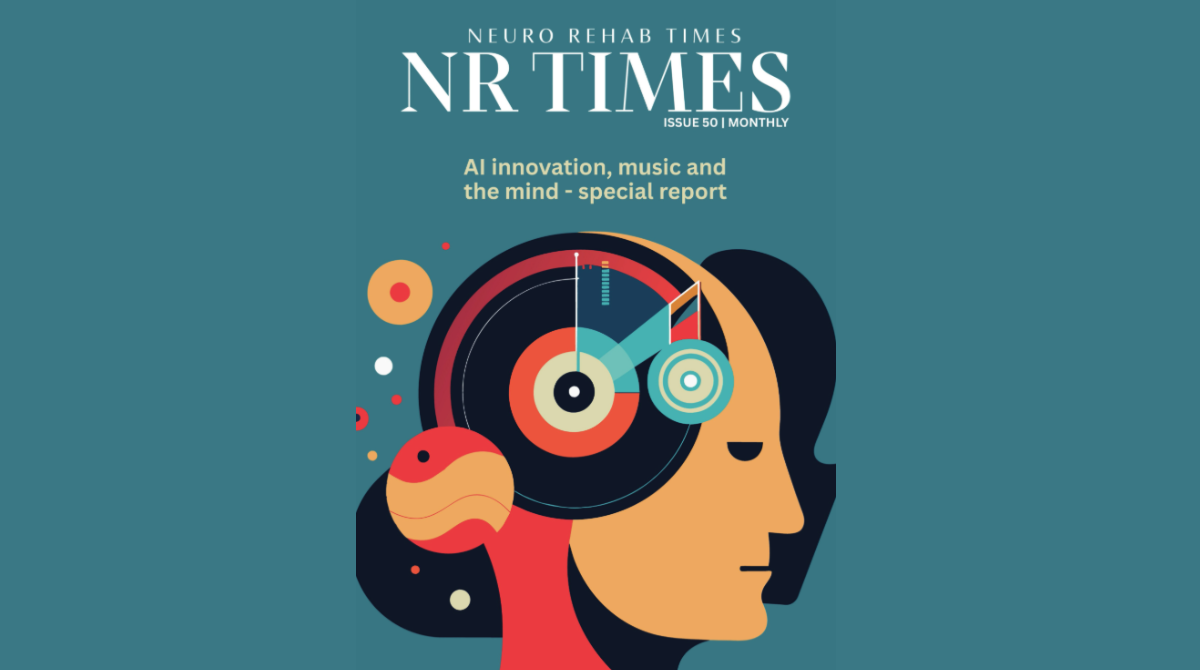
NR Times issue 50 is now online and packed with exclusive news and insights. Our cover story turns to the future, exploring the intersection of music, AI and the mind - and what emerging innovation could mean for neuro rehabilitation. As always, this issue brings together insight, experience and forward-thinking ideas from across the field. [...]
For Dr Anita Rose, winning the NR Times Lifetime Achievement award was a long time coming. Over the course of a 30-year career, she has excelled as clinical director of Cognivate, built a caseload of complex brain injury clients, published multiple books and supported numerous charities. We chatted with Anita over Zoom to gain some [...]

By Katy James, Lead Speech and Language Therapist, Cognivate When an adult sustains an acquired brain injury (ABI) – whether traumatic or non-traumatic – the effects on communication can be subtle but far-reaching. Many people are familiar with and may easily recognise when someone presents with dysarthria or aphasia, the motor speech and language impairments [...]

By Lydia Storr-Meddings Being Chief Operating Officer at Cognivate, a community-based neurorehabilitation team, means I sit behind the scenes of client care. Rather than focusing on delivering therapy, it’s about ensuring the right people, resources, and systems are in place to make rehabilitation possible. My work spans quotes, invoicing, therapist capacity, marketing, financial oversight, and [...]

By Dr Anita Rose, consultant neuropsychologist, Cognivate Rehabilitation Interdisciplinary (IDT) neurorehabilitation brings together clinicians from different disciplines to support a person’s journey to recovery after Acquired Brain Injuries (ABI) or neurological illnesses. For case managers, lawyers, clients and their families understanding how different disciplines work together, rather than in parallel, can be challenging at times. [...]


