



Clinical practice
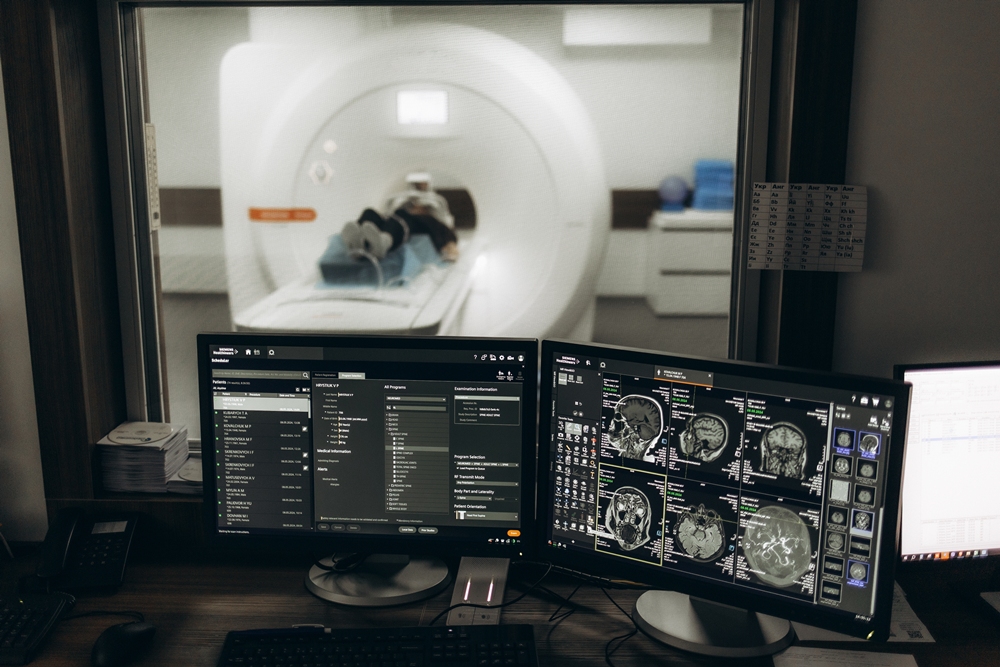
A new MRI test for MS has cut diagnosis times and allowed patients to avoid lumbar punctures, researchers report. The scan adds around six minutes to a standard MRI and looks for a feature known as the central vein sign. During a rollout of the test, the average time to diagnosis fell from 5.6 months [...]
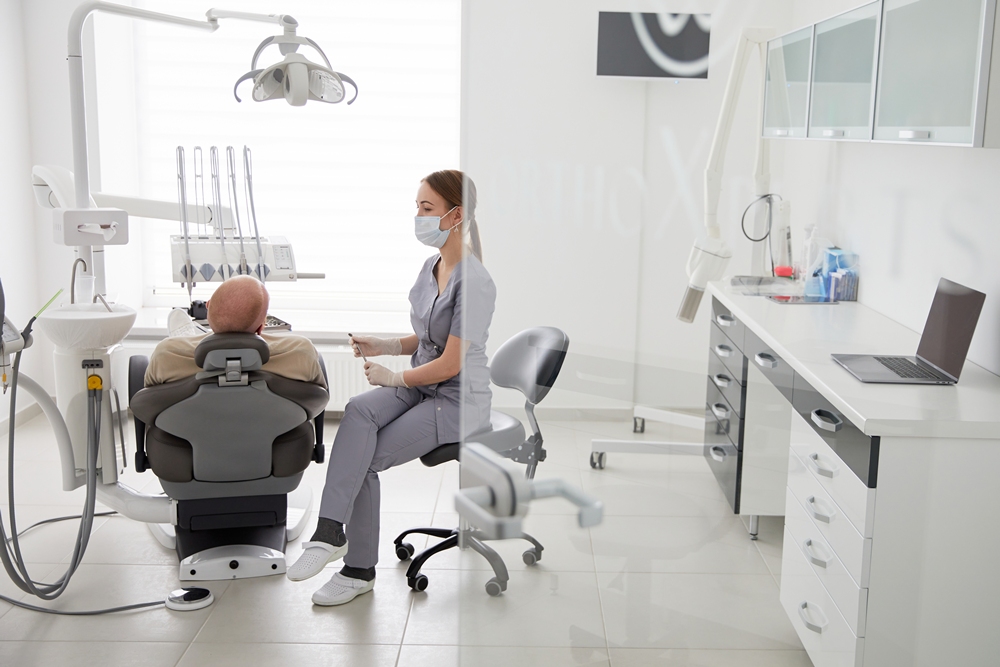
Dentists, GPs and other healthcare professionals are being offered training to help them recognise potential early signs of motor neurone disease (MND). The RACE to Diagnose programme will provide guidance to professionals who may encounter patients showing early signs of the illness. MND can be difficult to diagnose in its early stages, and it is [...]

Great Western Hospitals has reported a fall in newborn brain injury cases following a long-running quality improvement project. The initiative aimed to reduce admissions of full-term babies with suspected hypoxic ischaemic encephalopathy, or HIE, while improving care for those needing further assessment and treatment. In 2018, the neonatal unit recorded almost 40 admissions [...]

Brain state may help predict how people with epilepsy respond to electrical stimulation, a study suggests. Researchers found that the same electrical stimulation could have markedly different effects depending on patterns of brain activity immediately beforehand. The results suggest that timing treatment according to a patient's current brain activity could make neuromodulation more consistent. Neuromodulation [...]
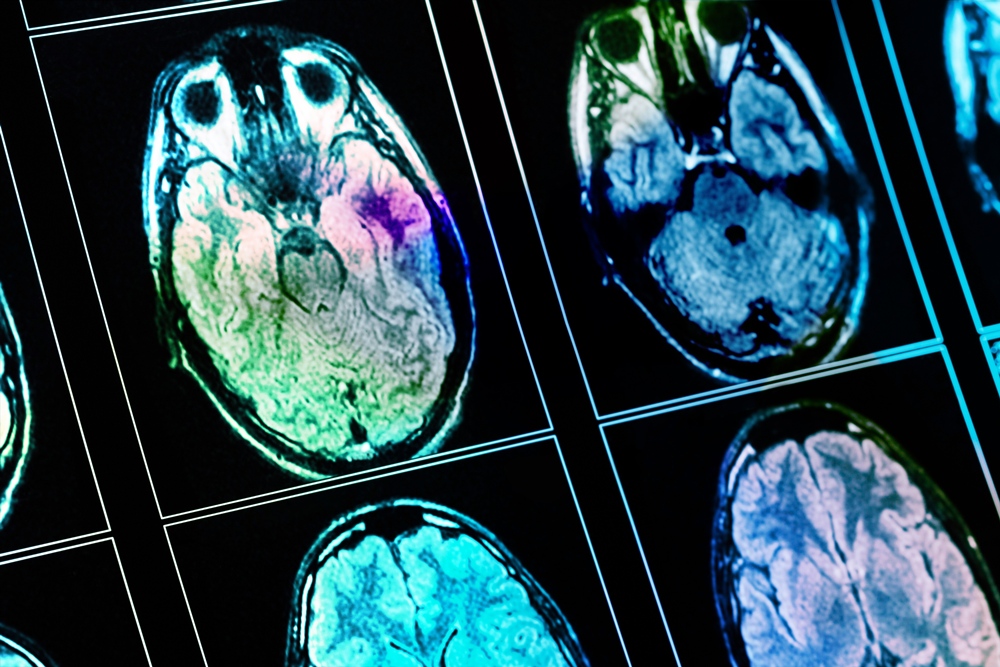
A new imaging technique could help track Huntington's disease by detecting microscopic changes in brain tissue that conventional scans may miss. Researchers found the approach could identify abnormalities in brain regions affected by the inherited neurological condition. The findings could eventually help monitor disease progression and assess experimental treatments, although larger and longer-term studies are [...]

Veterans in roles with repeated blast exposure were significantly more likely to have anger, aggression and violence recorded than those in lower-risk roles in a recent study. The findings add to evidence that repeated military occupational blast exposure (MOBE) may have lasting neurological and behavioural effects. The link remained independent of combat exposure, traumatic brain [...]
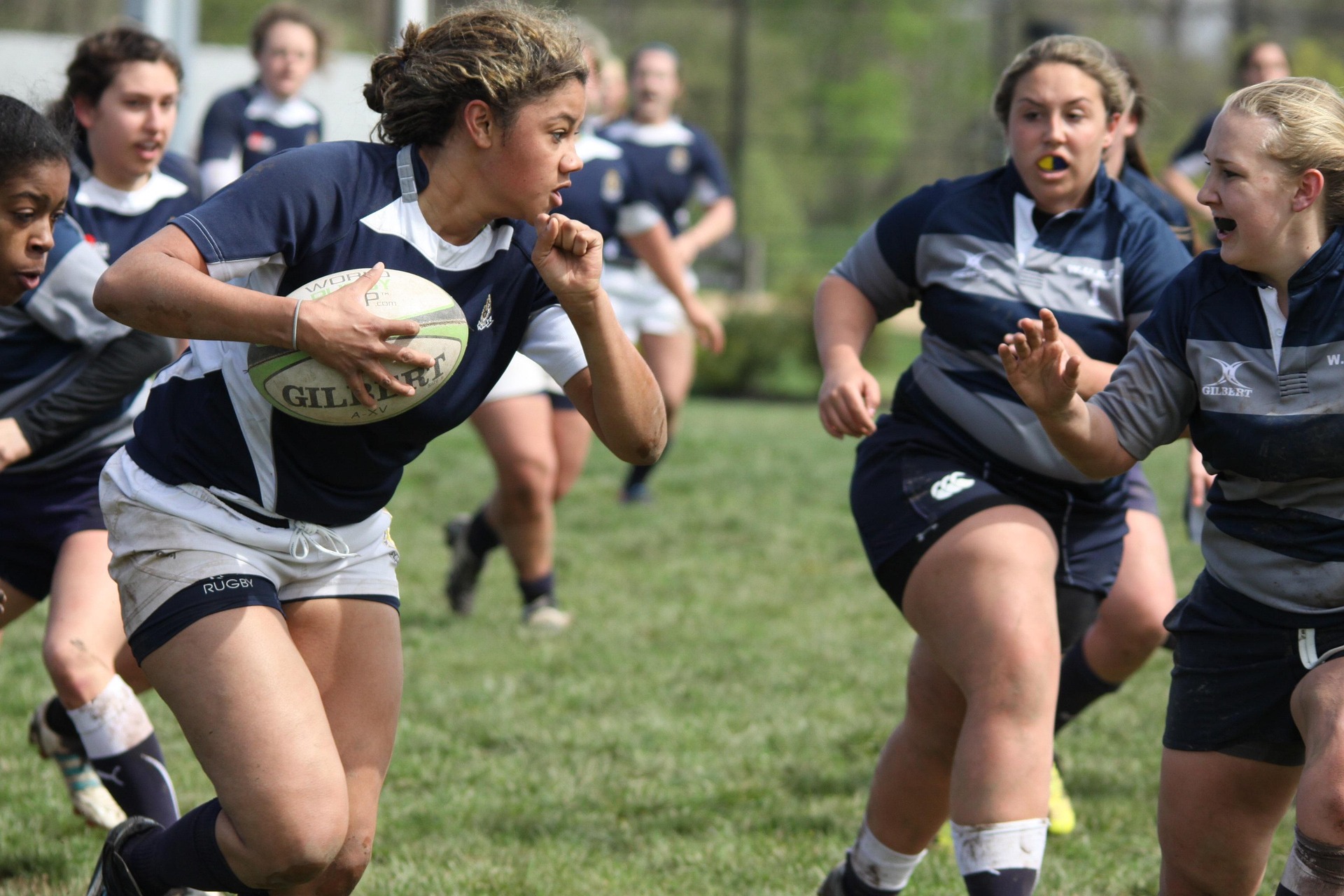
Former Wales internationals have backed a new study into how repeated head impacts affect women’s rugby players. Cardiff University’s medical engineering team aims to create the first head impact assessment protocol designed specifically for female athletes. The study followed 30 players from the university’s women’s rugby team using specialised mouthguards, cognitive tests and MRI scans. [...]
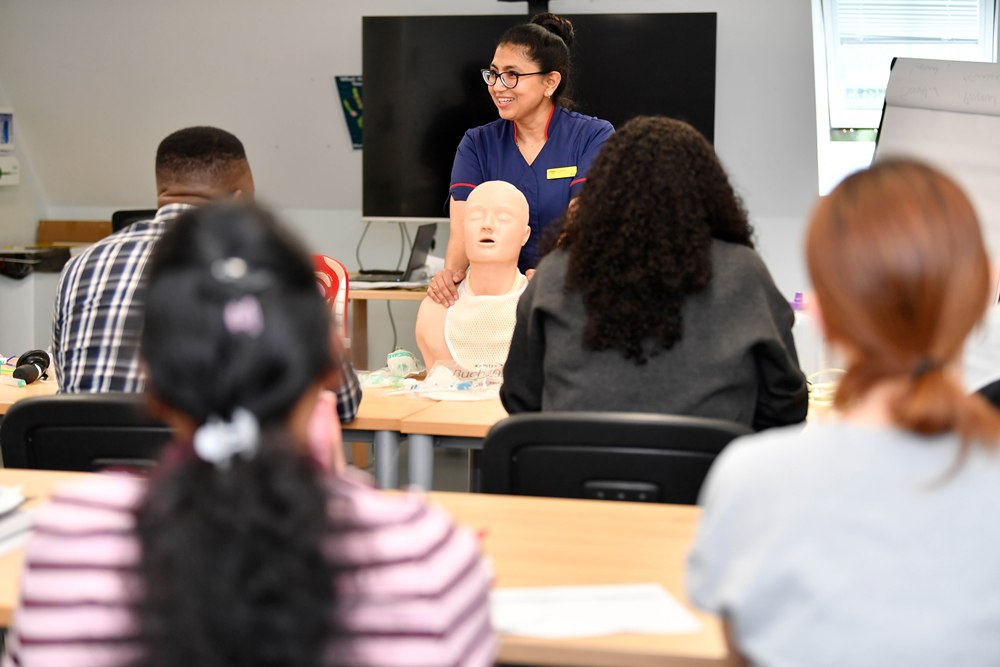
By Shila Rundla, senior nurse trainer, Fairlie Healthcare Tracheostomy care can easily be viewed as a sequence of technical tasks - suctioning, stoma care, cuff pressure monitoring, tube management and emergency preparedness. When routines take over, the individual behind the tracheostomy can be overlooked. The challenge for specialist clinicians is to see beyond the task [...]

Too many Parkinson's patients and others are missing life-saving medication or getting it late in overcrowded A&Es, the Royal College of Emergency Medicine (RCEM) has warned. The RCEM shared findings on 3 June from its latest Quality Improvement Programme report. RCEM’s Quality Improvement Programmes aim to drive improvements in specific areas of practice within A&E [...]

Sensory brain regions may drive speech relearning more than motor regions, with new research linking them to memory for newly learned speech movements. The findings challenge the assumption that speech motor learning and the memory of newly learned speech movements are primarily driven by motor regions of the brain. The study, published in [...]


