



Brain injury
Acquired and traumatic brain injury, from acute care to long-term rehab.
 Brain injury6 hours ago
Fifty-two experts have agreed 28 recommendations for recognising, diagnosing and managing brain injury in first responders, described as the first guidance of its kind. The recommendations aim to improve recognition of traumatic brain injury (TBI), support safe recovery, maintain operational readiness, reduce stigma and provide care tailored to first responders. They cover law enforcement officers, [...]
 Brain injury16 Oct
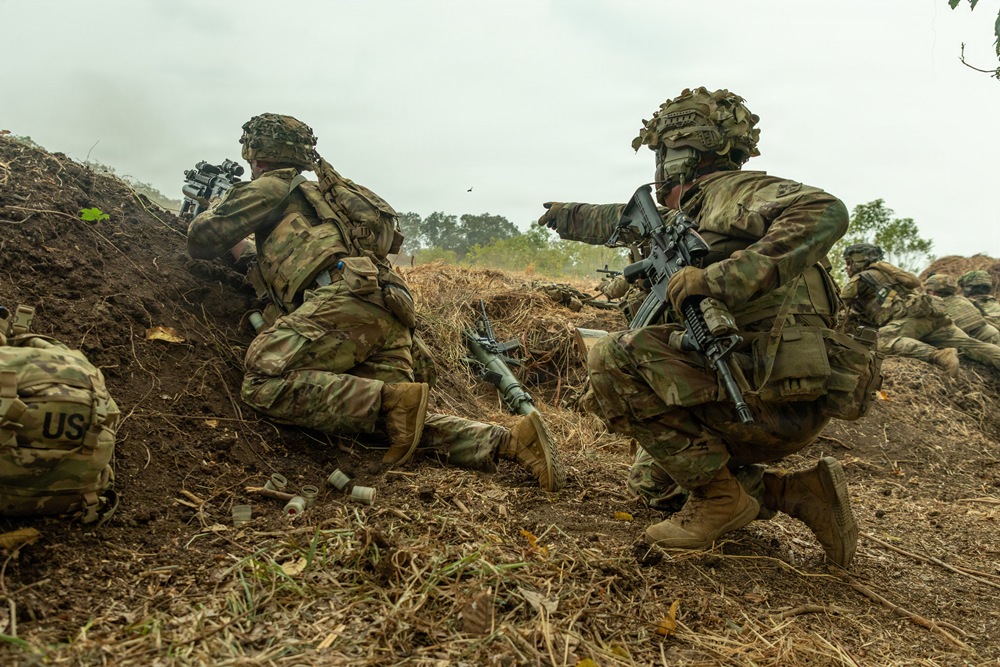
The Pentagon is seeking new standards to assess blast-related brain injuries and other causes of mild traumatic brain injury among US military personnel. The initiative aims to establish benchmarks for measuring the physiological and biomechanical effects of blast exposure, including explosions involving enemy munitions and pressure waves produced when personnel fire their own weapons. The [...]
 Brain injury15 Oct
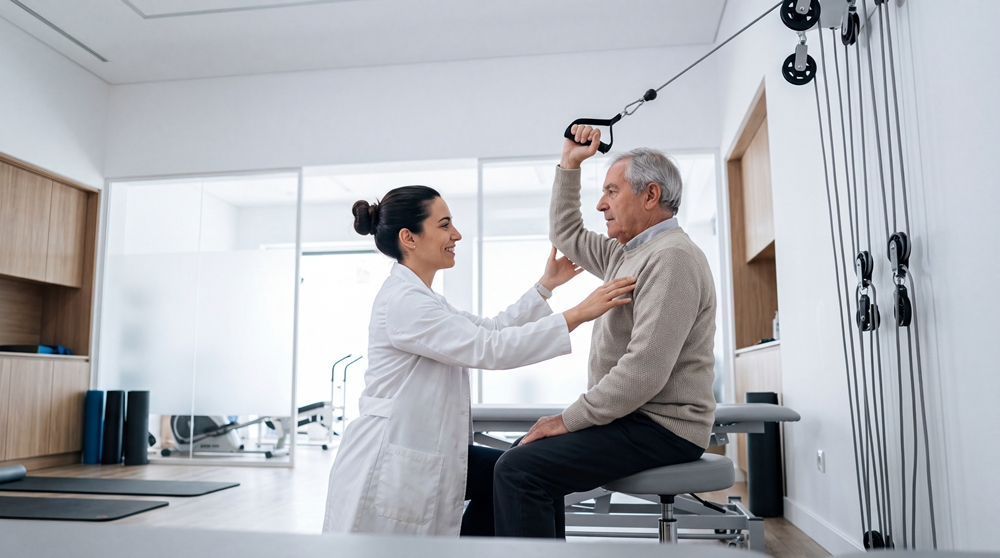
International experts across institutions and disciplines have proposed a fundamental shift in how traumatic brain and spinal cord injuries in adults are understood and managed. Sandro Marini, MD, of the Mass General Brigham Neuroscience Institute, is a co-first author, and Saef Izzy, MD, also of the Neuroscience Institute, is one of the co-senior authors and [...]
 Brain injury14 Oct
A plant compound improved movement and nerve repair in mice with traumatic brain injury, a study has found. The substance, known as isorhoifolin, helped damaged nerve projections regrow and reduced harmful substances in astrocytes, a type of brain cell. Researchers also detected the compound in mouse brain tissue 15 minutes after administering it through the [...]
 Brain injury13 Oct
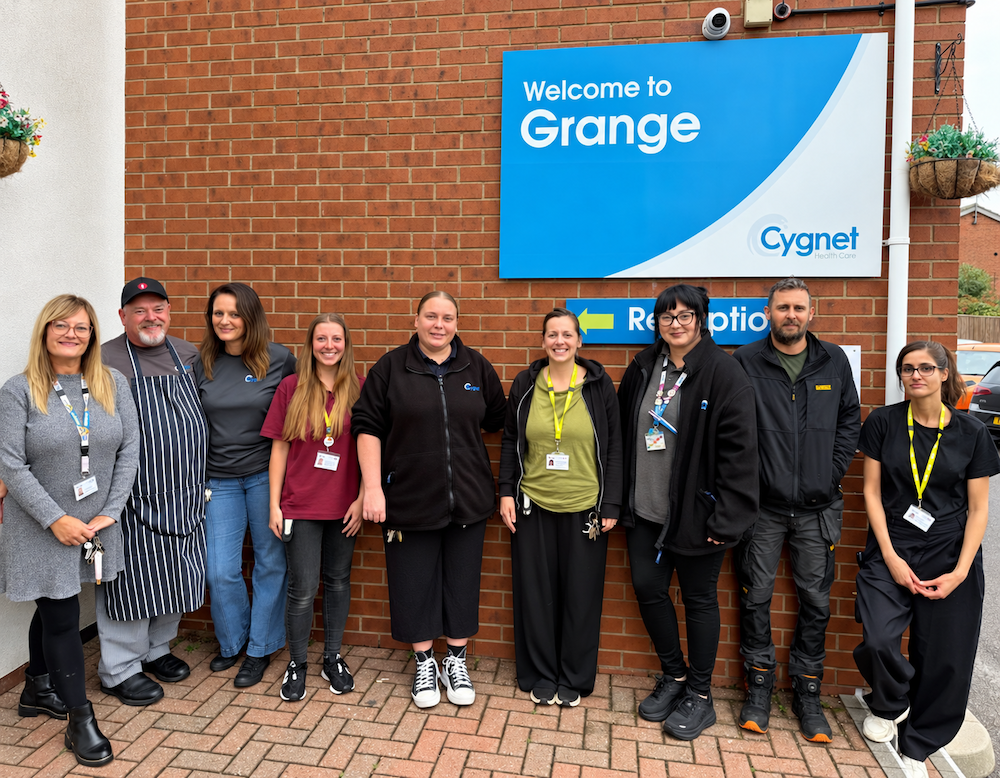
Two specialist neurorehabilitation services have been praised for providing a “safe and caring environment” where people feel understood, supported and empowered to rebuild their independence. Cygnet Grange and Cygnet Lodge, in Sutton-in-Ashfield, successfully achieved accreditation from Headway, the brain injury association, after assessors found a compassionate culture, exemplary staff development and highly personalised rehabilitation at [...]
 Brain injury12 Oct
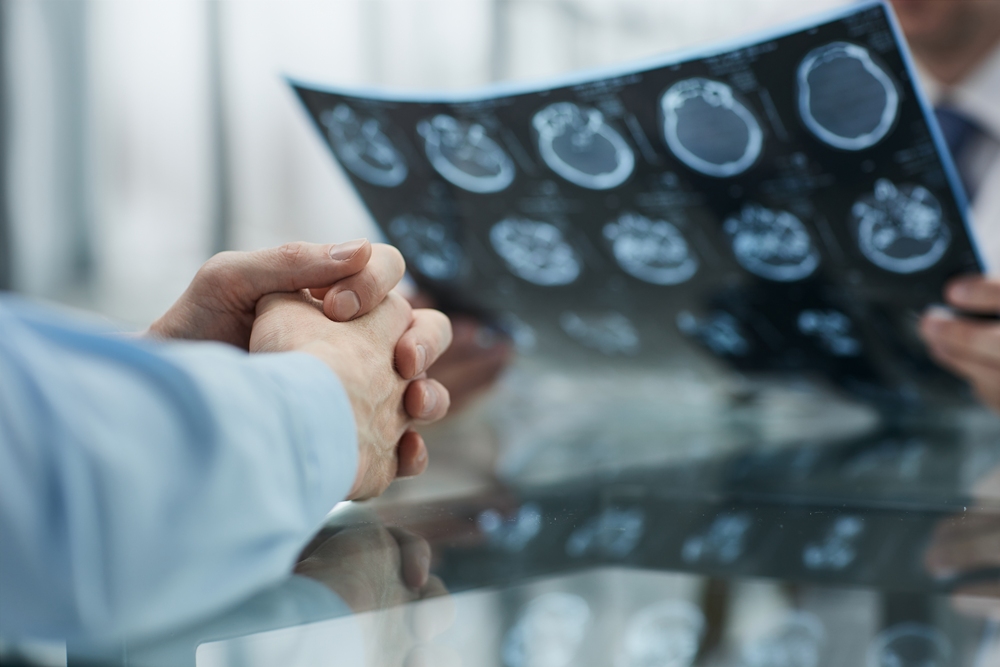
Traumatic brain injury (TBI) can have lasting effects on the brain's response to stressful situations, new research has found. The study was led by researchers from the Department of Cell Biology, Genetics and Physiology at the University of Malaga, working with Ohio State University's Wexner Medical Center in Columbus, Ohio. Using animal [...]
 Brain injury7 Oct
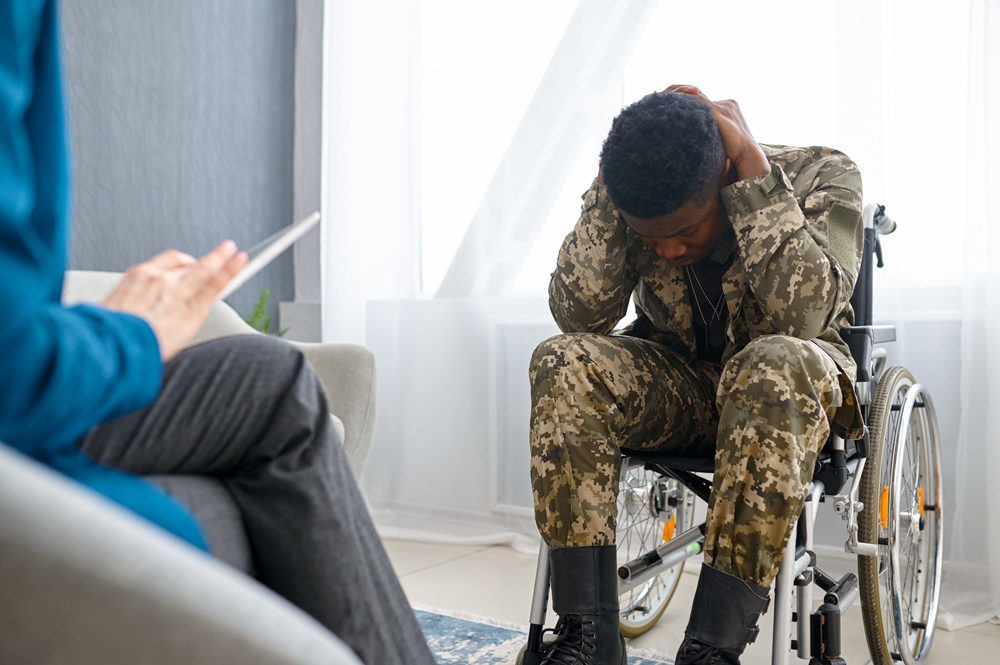
Mild traumatic brain injury was linked to higher musculoskeletal injury risk among US service members, a study found. Researchers analysed 26,784 active-duty service members, including 13,392 who had experienced mild traumatic brain injury (mTBI) and 13,392 matched controls without mTBI. The hazard of a subsequent musculoskeletal injury was 2.24 times as high among those with [...]
 Brain injury6 Oct
A specialist brain injury care home in West Sussex has welcomed its first residents and opened to healthcare professionals and the local community. Warnham Lodge, near Warnham and Horsham, was developed by Splendid Care Group for people with acquired brain injury (ABI) and other complex neurological needs. The home can accommodate up to 10 residents [...]
 Brain injury5 Oct
Rugby brain injury claimants face £2.8m in defendants’ legal costs after court-identified delays, with most due by the end of October. The costs follow delays that Senior Master Cook said were caused by the “contradictory and misguided approach” of Rylands Garth, the solicitors’ firm that represented the players until earlier this year. Hundreds of claimants [...]
 Brain injury1 Oct
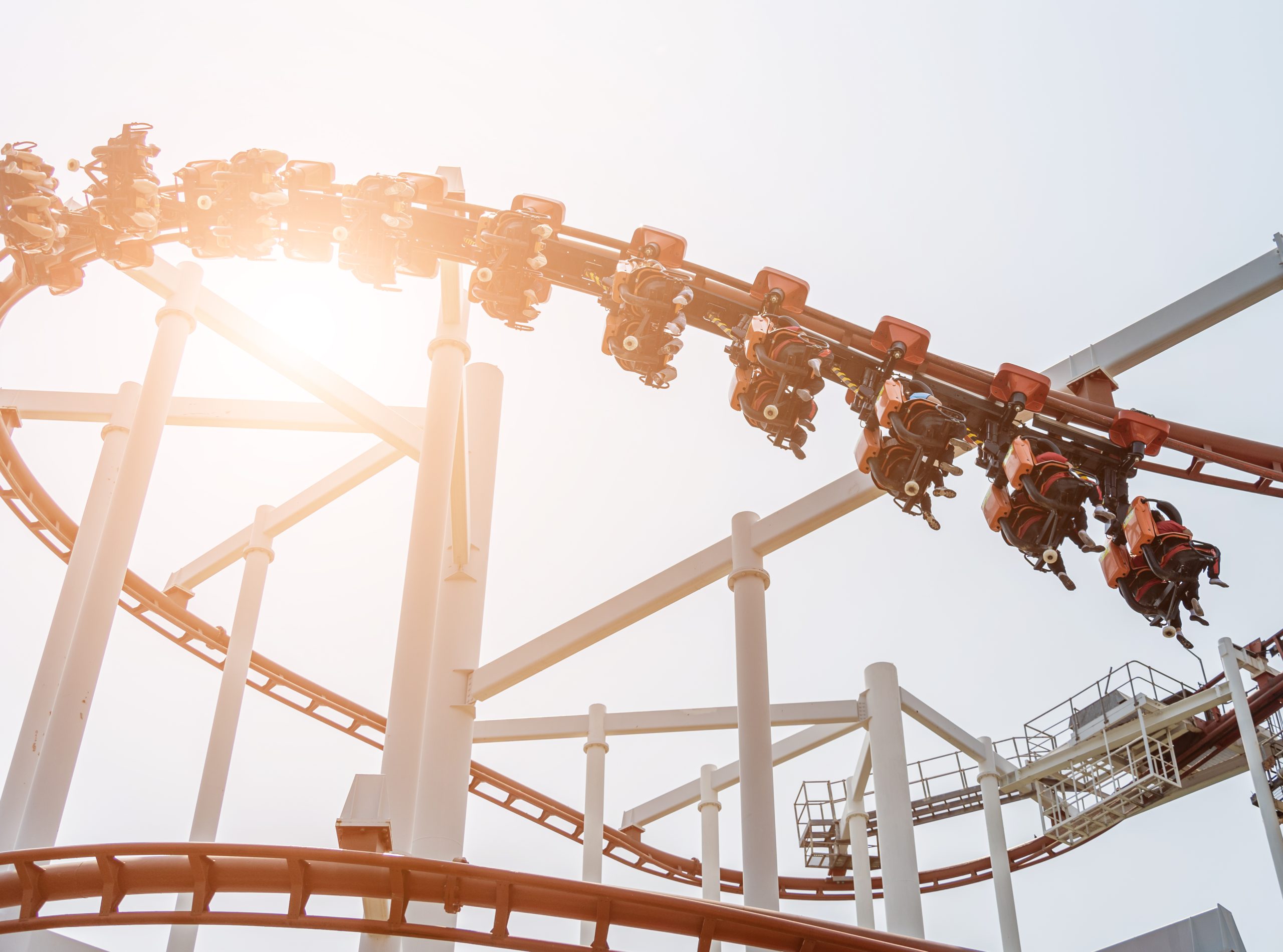
Six Flags Magic Mountain has permanently closed X2 amid lawsuits alleging riders suffered severe brain injuries on the California rollercoaster. The theme park said it had decided to retire the ride after nearly 20 years. X2 had been closed since July 12 after two riders suffered life-threatening brain injuries less than a week apart. [...]


