



Therapy
Therapies that support recovery after neurological injury and illness.
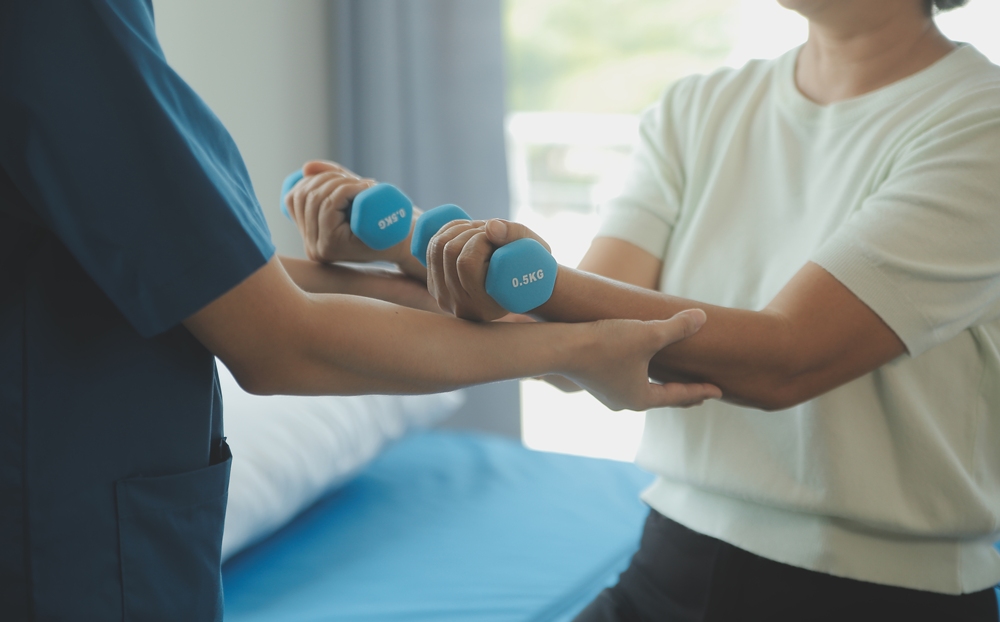
From framework to practice: Raising the standard of rehabilitation personal training
By Rowan Morgan-Ruffley, RMR Rehabilitation Ltd In our previous article, [...]
- Therapy28 Sep
By Rowan Morgan-Ruffley, RMR Rehabilitation Ltd In our previous article, we explored why RMR Rehabilitation developed a Medical-Legal Personal Trainer Framework and why greater clarity, governance and accountability are needed when Personal Trainers work within complex rehabilitation pathways. At the heart of RMR Rehabilitation, we are Personal Trainers. We believe appropriately qualified and experienced Personal [...]
 Therapy28 Aug
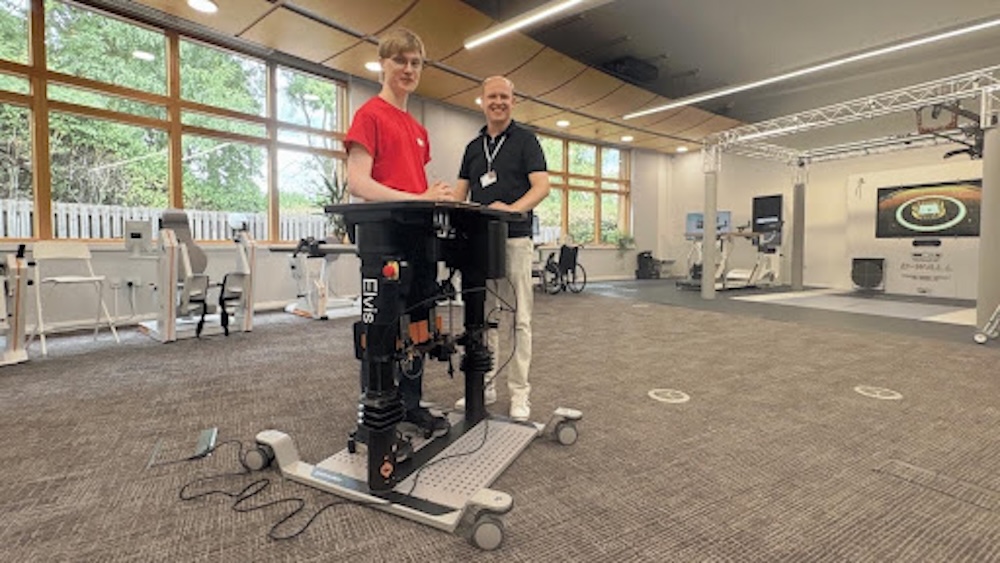
A new standing and balance system that allows people to move, reach and take part in interactive therapy while safely supported on their feet has arrived in the UK. Resilience Neuro Specialists is the first UK rehabilitation provider to introduce Elvis, the latest neurorehabilitation technology developed by Tyromotion. Now available at the Resilience Therapy Centre [...]
 Brain injury28 Aug
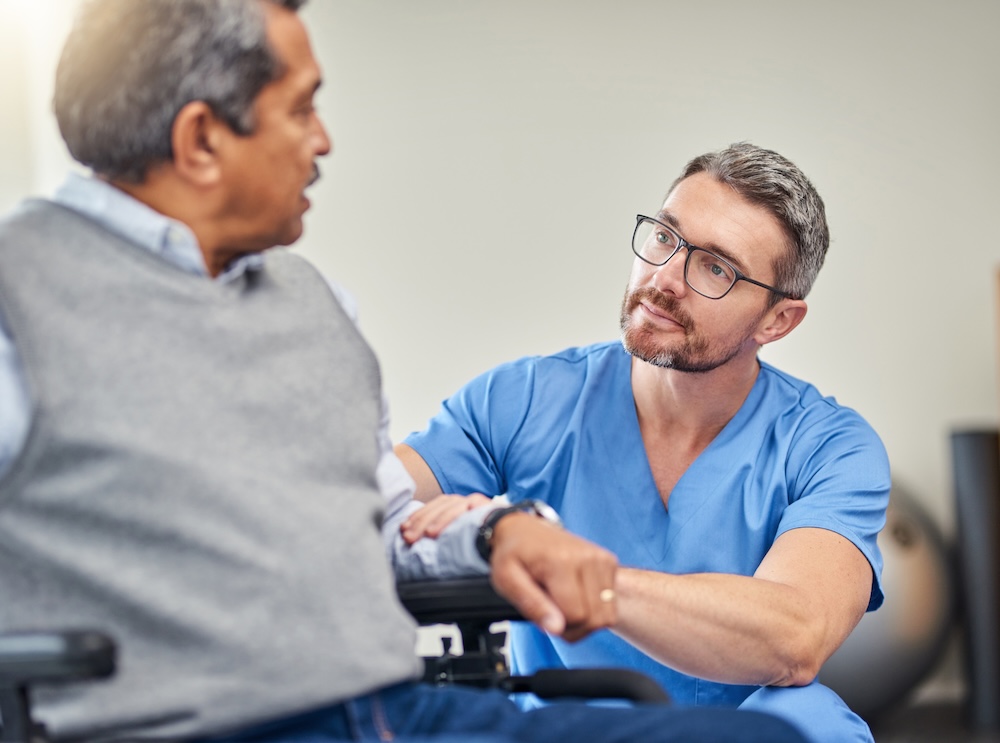
A brain injury charity has made an urgent £44,000 funding plea to keep its counselling and speech and language therapy services running. Headway North Staffordshire, based in Cobridge, has been operating since 1985, but its speech therapy and counselling services are under threat due to a lack of funds. Graham Maddox, who was supported by [...]
 Brain injury24 Aug
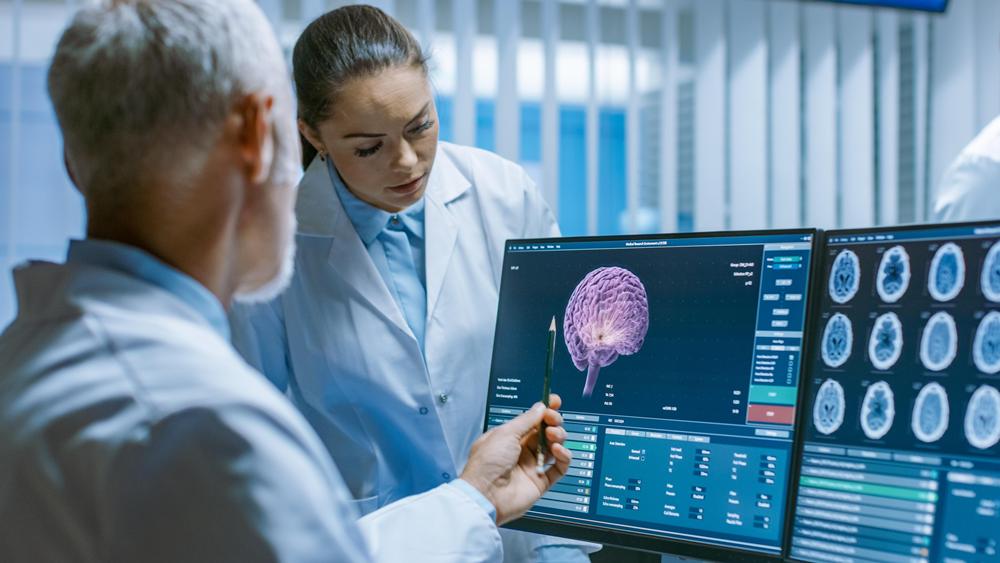
Deep brain stimulation may improve speech and swallowing control after traumatic brain injury, early research suggests. A proof-of-concept study found that low-frequency electrical stimulation of the motor thalamus improved control of facial and tongue muscles used in speaking and swallowing. The motor thalamus is a deep brain region connected to the motor cortex. Researchers suggest [...]
 Therapy17 Aug
By Chiltern Music Therapy Neurologic Music Therapy is an evidence-based clinical treatment system of 20 techniques that use music to support the development of, rehabilitation of, or maintenance of speech and language, cognition, motor skills, and psychosocial function. NMT-trained therapists work with patients in neurorehabilitation across a range of settings, but may also work with [...]
 Parkinson's14 Aug
Exercise may help slow Parkinson's progression through biological signals released by muscles, according to new research. The review suggests exercise does more than improve strength, balance and mobility. It also triggers the release of molecules known as exerkines, which travel through the bloodstream and may reduce inflammation, protect nerve cells and support brain function. The [...]
 Therapy19 Jun
Music therapy with speech and language therapy may support communication in young children recovering from acquired brain injuries, new research suggests. The study examined how children aged two to six responded to joint therapy sessions delivered during inpatient neurorehabilitation. Researchers identified three ways the combined approach supported communication development. Familiar songs encouraged [...]
 Therapy26 May
A charity which supports hundreds of children with disabilities across the North East has extended its partnership with one of its longstanding supporters. Heel & Toe has worked with families across the region since 2008, delivering a range of therapies – including hydrotherapy and hippotherapy, which are unique offerings in the North East – to [...]
 Therapy25 May
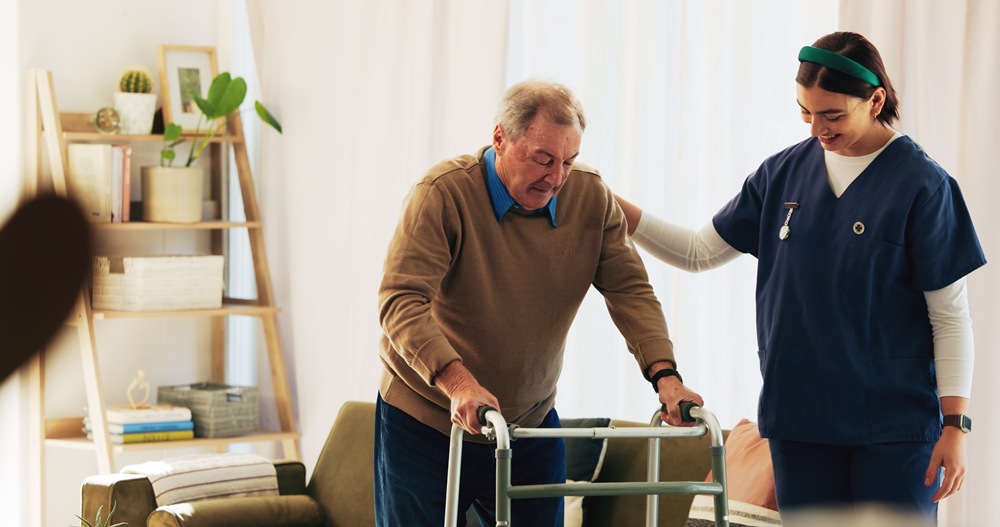
By Laura Gregory, clinical director, Traumaticus From your experience, what are the most common challenges clients face when rehabilitation services pause during seasonal breaks? Their mood may reduce further because they don't feel able to engage in the festivities or they don't want to take part because of what they are going through and there [...]
 Therapy13 May
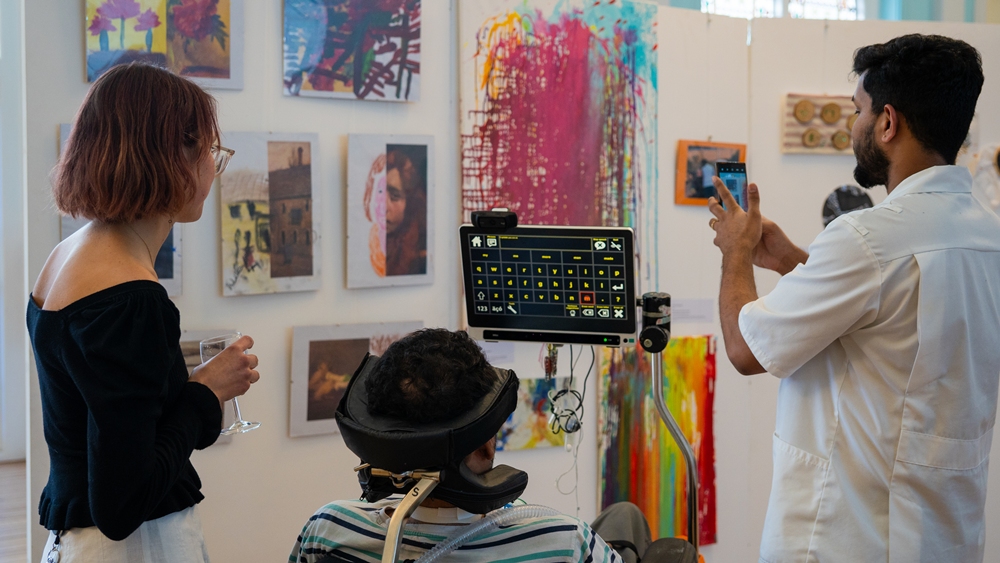
By the Royal Hospital for Neuro-disability Among the many milestones achieved at the Royal Hospital for Neuro-disability (RHN), one that truly stands out is our Emerge! Art Exhibition. In 2012, the RHN received funding to renovate its Art Room, a vibrant, much-loved creative space used by patients, residents, families and staff. Managed by Art Technicians Sian Cook [...]


