



Insight
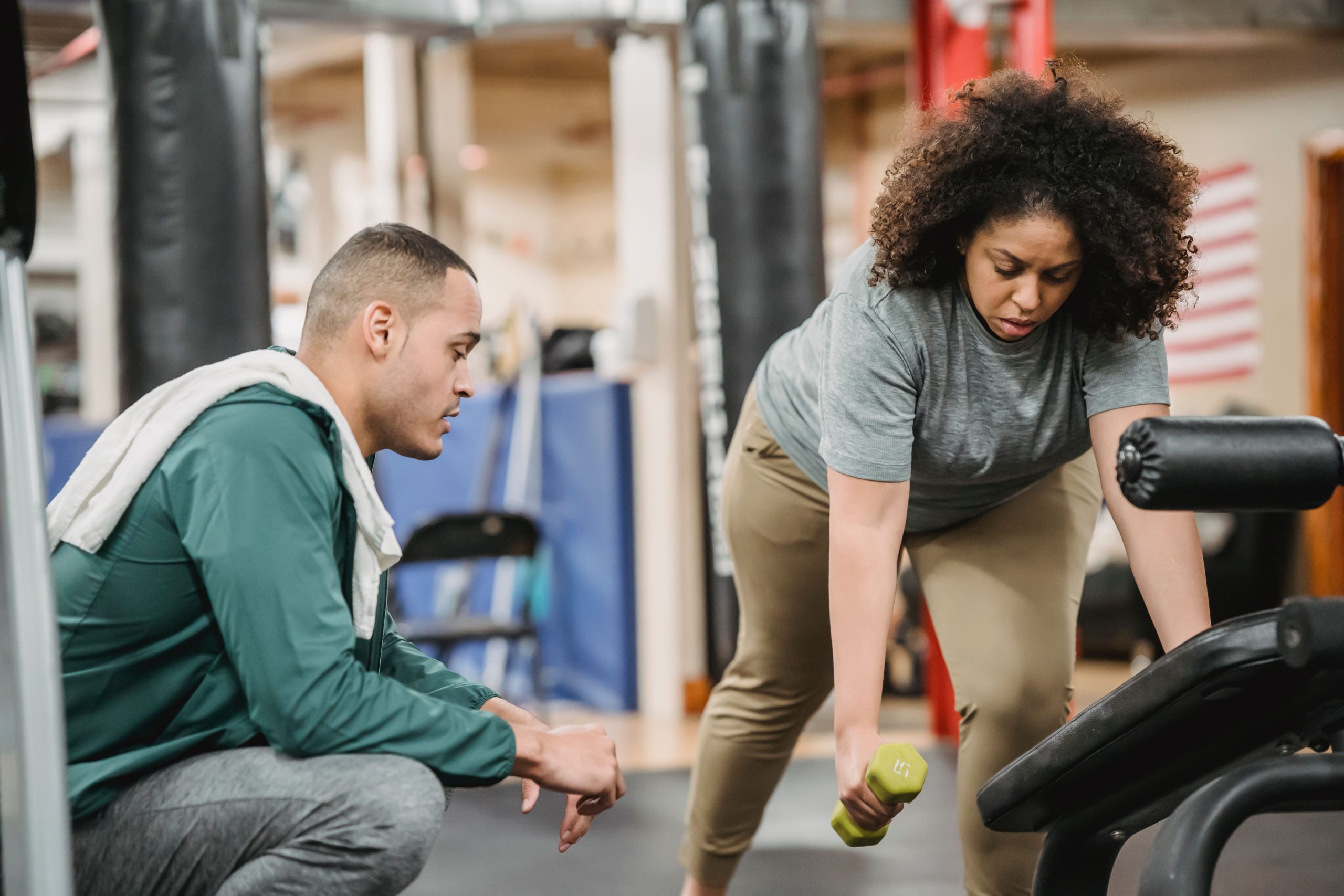
By Rowan Morgan-Ruffley, RMR Rehabilitation One of the questions I'm asked most often is, "How do you prepare a personal trainer to work within the medico-legal sector?" It's a fair question. Supporting someone who has sustained a serious injury is very different from helping someone achieve a fitness goal. The principles of exercise remain the [...]
By Eyal Samuel Shachar, CEO, Bioxtreme In the past stroke rehabilitation plans were centered on helping patients relearn movement by practicing tasks correctly and through repetition. Occupational therapists helped to guide patients toward proper movement patterns and worked to minimize errors that may slow recovery. Stroke rehabilitation continues to evolve with advances in robotic rehabilitation [...]
Ahead of his presentation at the Adult Brain Injury Conference, hosted by the Brain Injury Group, Dr Neil Graham talks about blood biomarkers, the football heading debate and what we still do not know about the brain's long-term response to trauma. Dr Neil Graham is a consultant neurologist at the National Hospital for Neurology and [...]
Cygnet Group has announced that its legal team and General Counsel has been shortlisted at The Lawyer Awards 2026 which celebrate excellence across the legal profession. Christian Young, Cygnet’s General Counsel, has been shortlisted in the General Counsel of the Year category. His shortlisting reflects not only his outstanding leadership, but also the pivotal role [...]
By Greg Richardson-Cheater, Richardson Care When looking after vulnerable adults, the importance of a caring and respectful workplace culture may sound obvious. Sadly, however, news headlines tell us that it’s not always the case. In addition, someone with a brain injury or severe learning disabilities may have complex emotional, as well as physical and cognitive [...]

Firas Sarhan is a trustee at the NR Times award-winning Cauda Equina Champions Charity and senior clinical education lead at the National Spinal Injuries Centre at Stoke Mandeville Hospital. Here, Firas shares his insight on the charity’s innovative app which is transforming the lives of the cauda equina community across the UK. "I am responsible [...]

Psychedelic drugs may help sustain PTSD recovery by triggering brain repair, according to new research in rats. Psilocybin and MDMA can produce rapid effects in people with PTSD, but lasting benefits require brain circuits to stabilise. The study suggests myelin, the insulating layer around nerve cells, may help bridge the gap between the short-lived psychedelic [...]

Neuro-disability nursing is rapidly evolving. Shifting service demands, growing complexity in neurological care, workforce pressures, and rising expectations for professional standards require specialist nurses to lead confidently, innovatively, and responsibly. On April 28, 2026, clinical leaders and specialists will convene for a national conference dedicated to the future of Neuro-disability nursing and our collective role [...]

Brainkind has announced the appointment of Chris Askew as interim CEO, effective 23 March 2026. Askew brings extensive experience of leading national charities and membership organisations. His previous roles include Chief Executive of Diabetes UK, Chief Executive of Breakthrough Breast Cancer, and senior leadership positions at the Royal College of General Practitioners, and the General [...]

At the start of 2026, Slater and Gordon launched the second year of its national Charity of the Year initiative, following the overwhelming success of last year’s programme. After seven weeks and an overwhelming response from charities across the UK, the law firm is delighted to reveal its top ten finalists. The shortlist was selected [...]


