



News
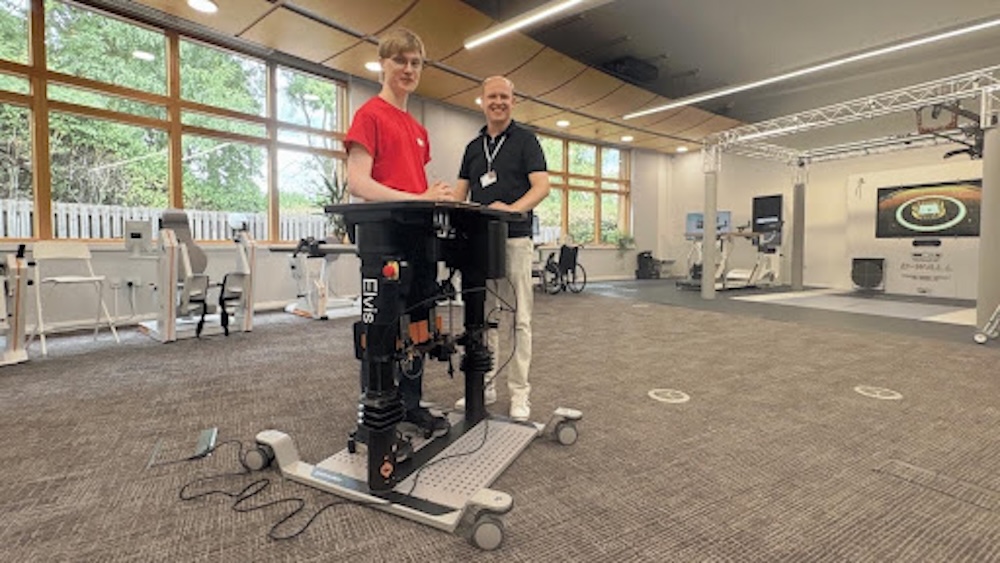
A new standing and balance system that allows people to move, reach and take part in interactive therapy while safely supported on their feet has arrived in the UK. Resilience Neuro Specialists is the first UK rehabilitation provider to introduce Elvis, the latest neurorehabilitation technology developed by Tyromotion. Now available at the Resilience Therapy Centre [...]
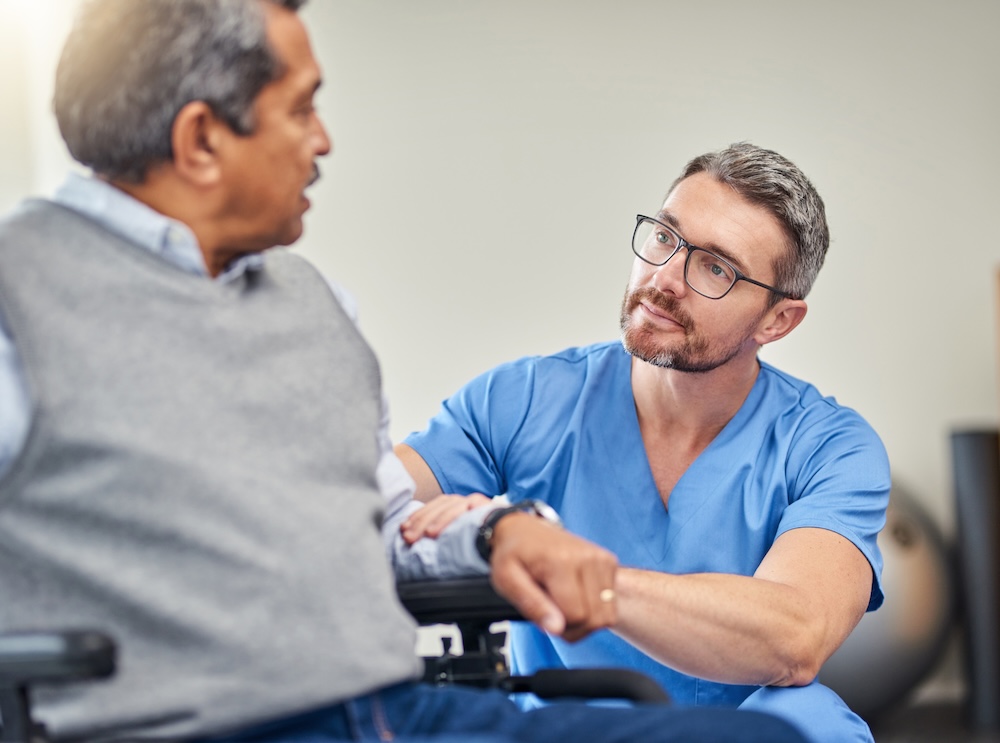
A brain injury charity has made an urgent £44,000 funding plea to keep its counselling and speech and language therapy services running. Headway North Staffordshire, based in Cobridge, has been operating since 1985, but its speech therapy and counselling services are under threat due to a lack of funds. Graham Maddox, who was supported by [...]

Case management plays a vital role in helping people navigate life after brain or spinal injury, bringing together the expertise, services and support needed to help individuals achieve the best possible outcomes. The NR Times Awards Case Management Firm of the Year Award celebrates firms that are making an outstanding contribution to this important area [...]
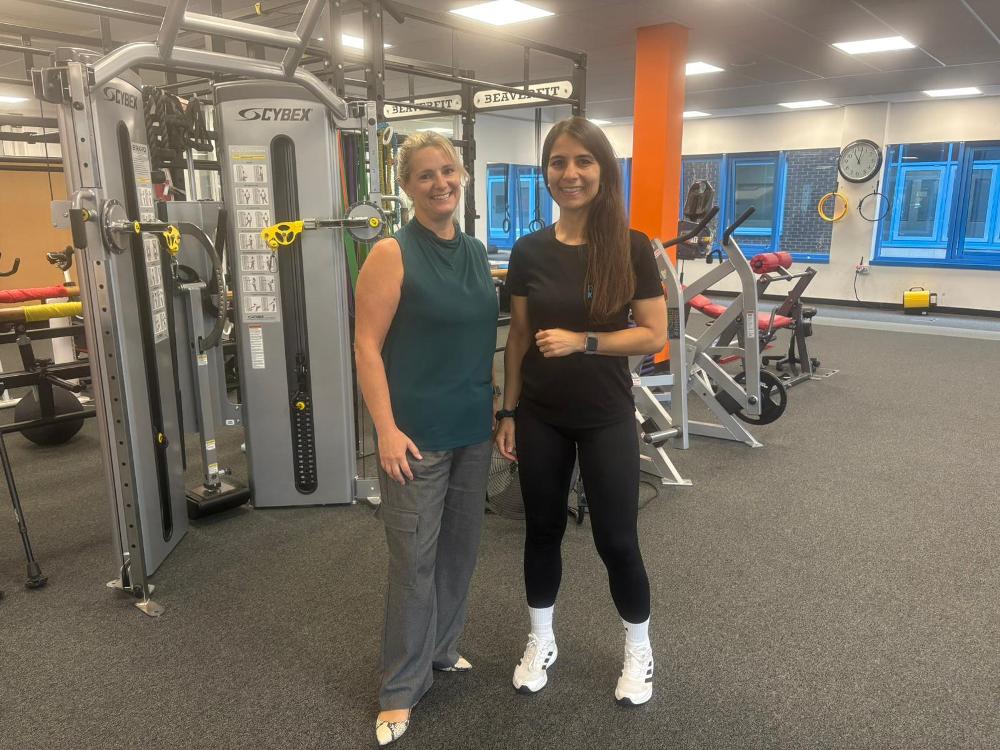
Jo Godfrey from Oxford is about to embark on an epic 200-mile solo walk to raise funds for a spinal cord injury community close to her heart. In an extraordinary display of friendship, solidarity and paying it forward, Jo will walk from Bristol to Hemel Hempstead and on to Gatwick, linking up the three Neurokinex [...]
A stroke survivor says an AI receptionist at her GP surgery could not understand her, leading her to register elsewhere. The ASA surgery at Armthorpe, near Doncaster, was one of many facilities using a nationwide AI system called EMMA to prevent long waits on the phone. Judith Butterfield, 71, said she tried five times to [...]

Across neuro-rehabilitation, there are countless examples of people going beyond what is expected of them to make a meaningful difference to the lives of those they support. The Above and Beyond Award has been created to recognise those exceptional contributions, celebrating individuals, teams and whole organisations that have gone the extra mile within their line [...]
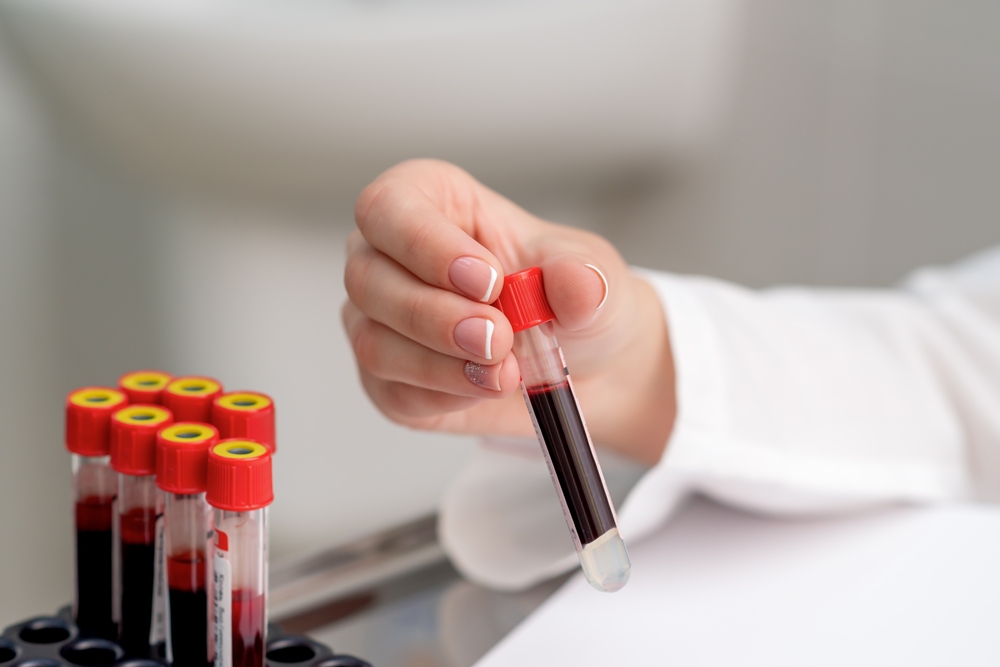
A 15-minute blood test is helping ER doctors avoid some CT scans for suspected brain injuries using only a few drops of blood. Doctors at UCHealth Memorial Hospital Central and UCHealth Memorial Hospital North in Colorado Springs are using the bedside test to measure biomarkers associated with possible bleeding around the brain. If the biomarkers [...]
People diagnosed with Parkinson’s after emergency hospital care had poorer outcomes than those diagnosed through non-emergency routes, a study found. More than 30 per cent of people with Parkinson’s in the analysis received their diagnosis following an emergency presentation. Across most conditions studied, emergency diagnosis was associated with higher mortality and longer hospital stays during [...]
A Redditch man plans to cycle the length of the UK without sleeping to raise awareness and funds for the MS Society. Max Williams plans to travel from Land’s End to John O’Groats as the first stage of a wider challenge in which he hopes to cycle through six countries in six months without sleep. [...]
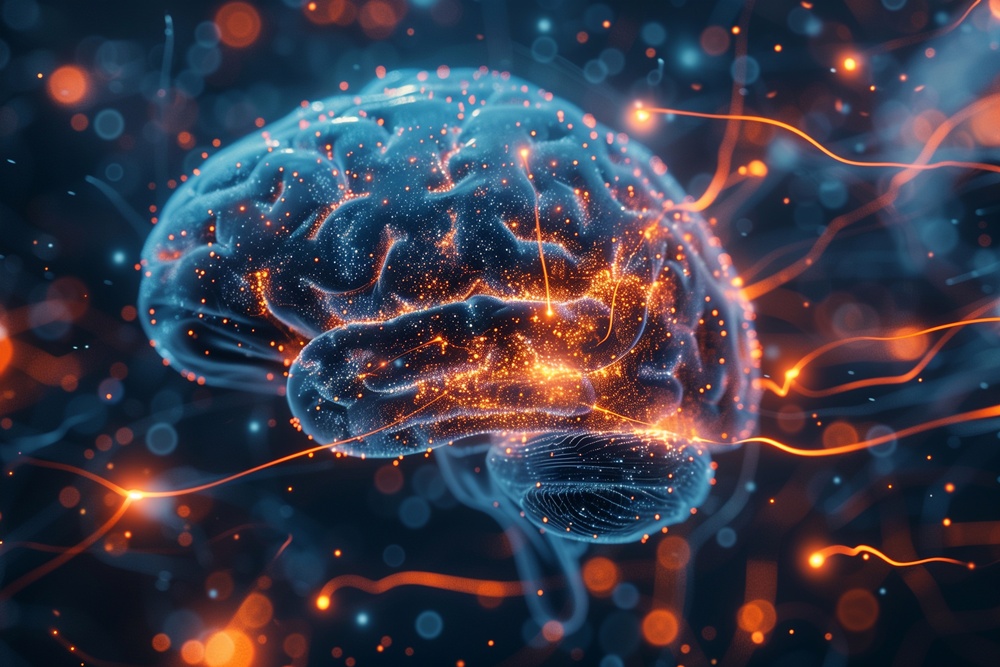
Distinct brain signal patterns across connected regions may help explain Parkinson’s symptoms and inform more targeted treatments, a study suggests. Researchers identified two types of beta activity, low-beta and high-beta, with different spatial, temporal and potential functional roles across brain networks involved in Parkinson’s. The findings suggest that the timing, coordination and direction of these [...]


