


News

The US FDA has cleared PTD802 for a first-in-human trial, allowing Pheno Therapeutics to move the experimental MS treatment into clinical testing. The Investigational New Drug clearance allows the company to proceed with a clinical trial in the US. The first study would assess the safety and tolerability of the treatment in healthy volunteers. [...]

Former Labour MP Jonathan Ashworth is campaigning for greater blood pressure awareness after suffering a stroke on New Year’s Day. The 47-year-old, who represented Leicester South from 2011 to 2024, said he had not known that he was living with dangerously high blood pressure. He regrets missing routine GP health checks and is now urging [...]

The COMET newborn brain injury trial has recruited its 100th baby, marking a milestone for one of the world’s largest neonatal neuroprotection studies. The study, funded by the National Institute for Health and Care Research and led by researchers at Imperial College London, is testing whether babies born with mild hypoxic-ischaemic encephalopathy benefit from therapeutic [...]

Music therapy with speech and language therapy may support communication in young children recovering from acquired brain injuries, new research suggests. The study examined how children aged two to six responded to joint therapy sessions delivered during inpatient neurorehabilitation. Researchers identified three ways the combined approach supported communication development. Familiar songs encouraged vocal [...]

Cygnet Social Care has been named Complex Care Provider of the Year (Large Group) at the HealthInvestor Awards, recognising the outstanding commitment to delivering high-quality, person-centred care and support for individuals across its residential, supported living, day and care home settings. The award celebrates a landmark year for Cygnet Social Care, marked by significant growth, [...]

Allica Bank has launched care home finance for investors buying or refinancing care and nursing homes. The bank is now offering finance against selected residential care properties on an investment basis. The proposition supports experienced landlords investing in residential care and nursing homes, as well as supported living and group homes. It also [...]
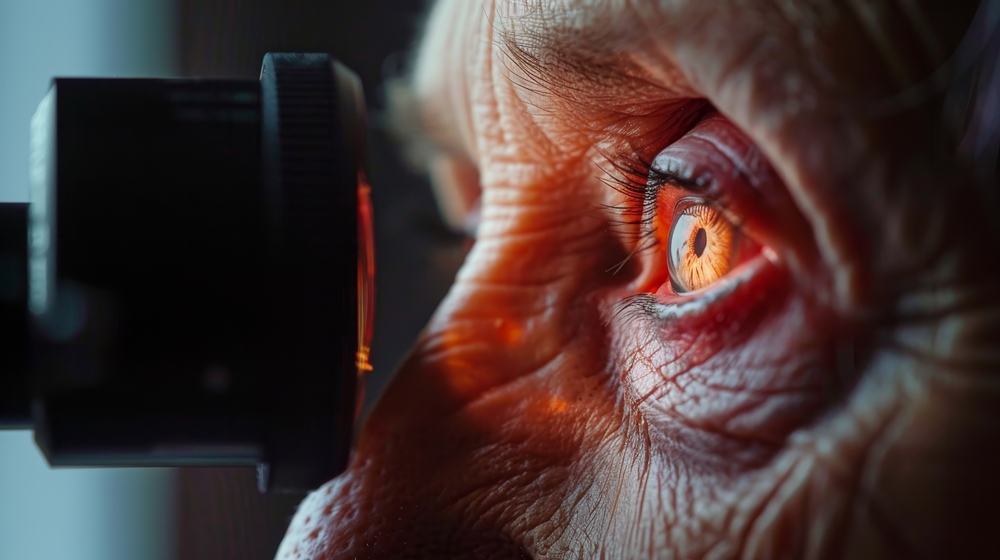
Retina photos could help predict common Alzheimer’s risk factors, new research suggests. The study found that simple photographs of the retina, the light-sensitive layer at the back of the eye, may offer clues about future brain health. Researchers said the images can predict many common risk factors associated with developing Alzheimer’s disease. [...]
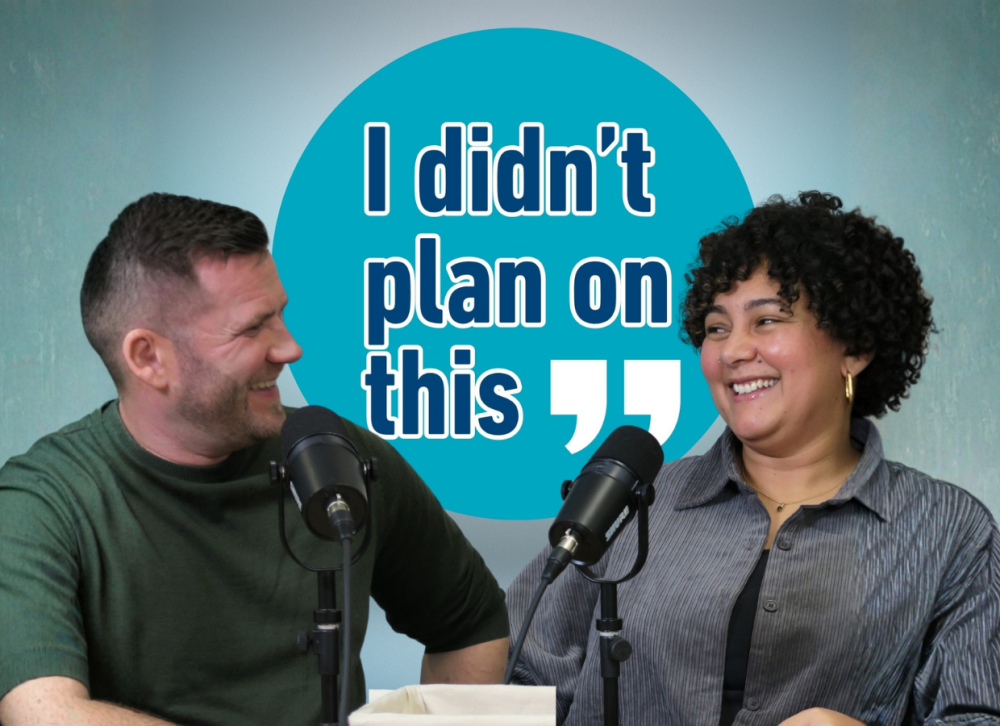
Spinal Injuries Association ‘I Didn’t Plan on This’ podcast has won podcast/audio campaign of the year at the UK Content Awards. The awards shine a spotlight on the most innovative, impactful, and creative content campaigns across the country. The podcast series, released in February 2026 by Spinal Injuries Association (SIA), was created to give voice [...]

Active Neuro (part of Active Care Group) has been named Specialist Services Provider of the Year at the HealthInvestor Awards 2026. This prestigious award recognises innovation, excellence and impact in specialist healthcare services, highlighting the progress Active Neuro has made in transforming neurological rehabilitation across the UK. Keith Browner, CEO, Active Care Group, said: “I [...]

Sport Parkinson's co-founder Charlie Appleyard has been awarded an MBE for services to people with Parkinson’s and fundraising. Appleyard with Parkinson’s, a progressive neurological condition that mainly affects movement, after being diagnosed with the condition in 2016 at the age of 39. Despite the daily challenges he faces, Appleyard has championed more opportunities [...]


