



News
The latest news from across neurorehabilitation.
 Legal24 Aug
Litigation, as with the world in general, has changed significantly in 2020. We could not have ever possibly foreseen how during this year we would all have to move rapidly to working remotely and digitally. It may well have accelerated changes in many firms towards digitalisation and a more agile way of working. It is likely that solicitors sitting behind desks each day in a crowded office might be a thing of the past.
How will this huge change which has been thrust upon us affect the way we run our cases? Inevitably, there will be changes which are obvious; for example there are very likely to be more remote court hearings.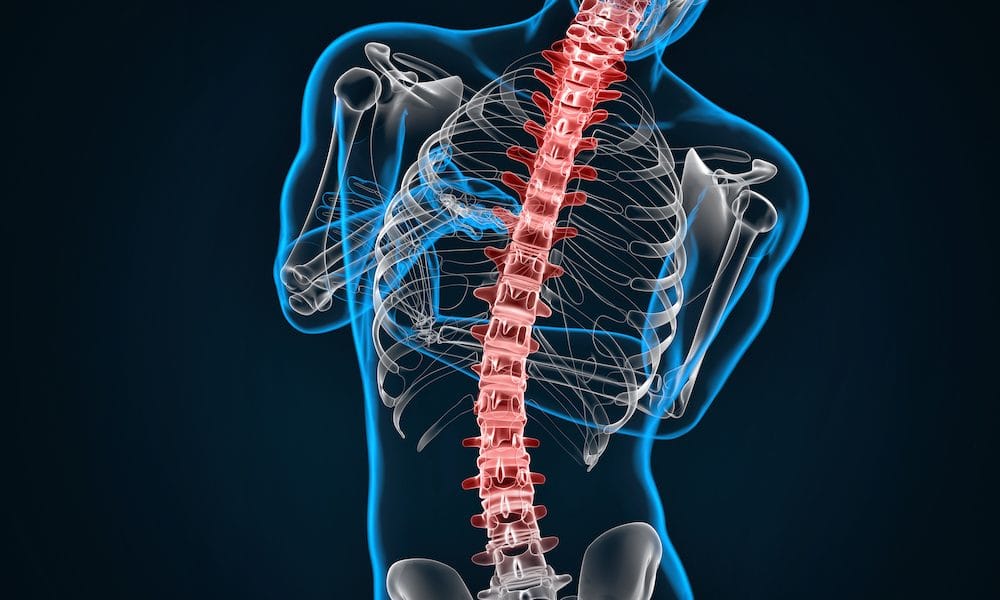 Tech & industry23 Aug
When the spinal cord is injured, it swells, which restricts blood flow and can cause permanent motor, sensory, and autonomic function damage.
Preventing initial swelling, therefore, is key to minimising damage. But the only treatment available for this is a steroid therapy that has minimal effects. But a team of researchers have devised a new therapy device that removes fluid from the spinal cord using osmosis to reduce swelling. While the device has only been tested on injured rats, they’re confident it will soon be applied to humans. The researchers, from the University of California’s Department of Bioengineering, found that spinal fluid can increase in the area within one hour of the injury happening, and levels can remain elevated for 28 days. News23 Aug
Brain injury charity the Children's Trust is launching a recipe book developed by children and rehabilitation therapists.
'The Step-by-step Cookbook’ features 16 recipes with simple icons to show what equipment and ingredients are needed, and steps that can be ticked off with a wipeable marker. Recipes include breakfast dishes and drinks, main meals and desserts, with cooking tips and information on healthy eating. Therapists came up with the idea for the cookbook when they recognised a need for more accessible recipes. News23 Aug
Eating a healthy diet in middle age may help reduce some of the symptoms that can come before a Parkinson’s diagnosis, according to new research.
People with Parkinson’s can experience symptoms including constipation, daytime sleepiness and depression for more than 10 years before any movement-related symptoms start. Researchers from Harvard University in Boston, US, analysed the diets of almost 50,000 people. They were asked about their diets every four years from the 1980s until they were middle-aged. They were then asked, in 2012, if they experienced two symptoms: constipation, and rapid eye movement sleep behaviour disorder, which causes people to shout and rapidly move in their sleep. Both symptoms are associated with Parkinson’s.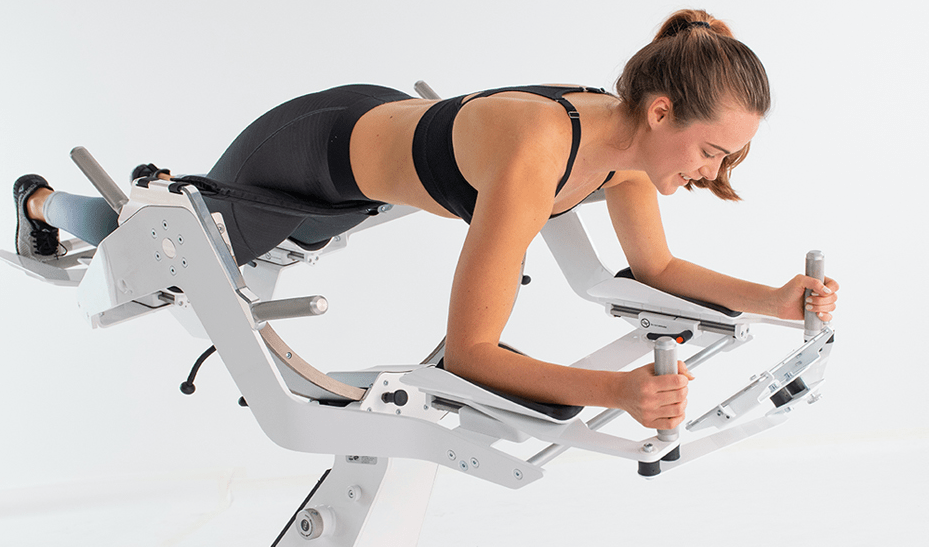 News23 Aug
People who have limited movement following a brain injury are at risk of developing pain and future health problems due to prolonged sitting and lack of exercise, which can lead to atrophy of the muscles.
Rehab certainly can help with this – but one company hopes to help these exercises become much more enjoyable. Munich-based Icaros says its devices are adjustable, easy to use and can be customised to patient's needs. The ICAROS Health unit is designed for professional use in therapy and rehab, offering core training for patients who have physical limitations. The device is designed to help improve muscle activity and coordination between muscles, while a slight increase in heartrate boosts circulation. Legal20 Aug
At the time of his accident in 2013, Aaron was a 17 year old with a passion for cars and motorbikes. His friends and family described him as a caring, thoughtful and popular young man. He had a wonderful sense of humour and would always make his friends and family laugh. Aaron was studying Motor Vehicle Maintenance and he was working as an apprentice at a vehicle repair shop. On the day of the accident he was travelling to his job when he was involved in a road traffic collision. He suffered a severe traumatic brain injury as well as various severe orthopaedic injuries. His family were told that he may not survive and if he did he may never regain consciousness. Aaron underwent emergency lifesaving surgery and remained in hospital for around 3 months. He was then transferred to a specialist brain injury rehabilitation unit for intensive rehabilitation. He remained at this unit until December 2015 following which he was discharged home where he continued with his rehabilitation journey.
 Legal17 Aug
In serious injury cases, there are three options when it comes to private care: gratuitous care, commercial care or a combination of the two (excluding inpatient long-term care which can be funded on a private basis). When an injured person is recovering, it is common for family members to provide gratuitous care; that is care free of charge.
However, often family members need to return to work, they may have children who need their focus and attention and/or they may already be providing care for elderly relatives. It is therefore quite common to seek commercial care at a relatively early stage in an injured person’s recovery if liability (fault) has been established. News16 Aug
In August 2019, Simon was admitted to the Coach House in Northampton, a specialist residential care home for adults with acquired brain injury. He was the first service user in a brand new service from experienced care provider, Richardson Care. He had sustained a hypoxic brain injury in 2015 following cardiac arrest, and had resided in a number of care environments following his discharge from acute rehabilitation. He was referred to Richardson Care due to an increase in unsettled and challenging behaviours and as his current placement was no longer best-placed to meet his needs. Simon had been increasingly isolating himself from the rest of the care home and would only engage in very limited activity with 1:1 support. He would frequently make complaints about his placement.
 Tech & industry16 Aug
A wide range of patients are now benefiting from the use of AlterG Anti-Gravity Treadmills throughout clinics across the UK. Patients with a wide range of neurological conditions are gaining confidence within a fall-safe environment which allows for high intensity repetitions along with increasing motor learning early on in the rehabilitation stage. Originally designed for NASA, the AlterG uses patented Differential Air Pressure Technology to unweight patients from 100% down to 20% of their bodyweight in precise 1% increments.
 Legal13 AugTechnology plays a day to day role in our lives and mobile phones, tablets, Alexa and Siri are common place. Imagine the impact on your life if you were no longer able to interact with a touch screen or keyboard or give voice commands.... In this virtual event, Assistive Technology expert Andy Fell gives practical demonstrations of how everyday technology and specialist technology can be used to help give independence to those who need it most and why specialist technology may be needed.


