First-of-its-kind trial tests radiation therapy for Parkinson’s
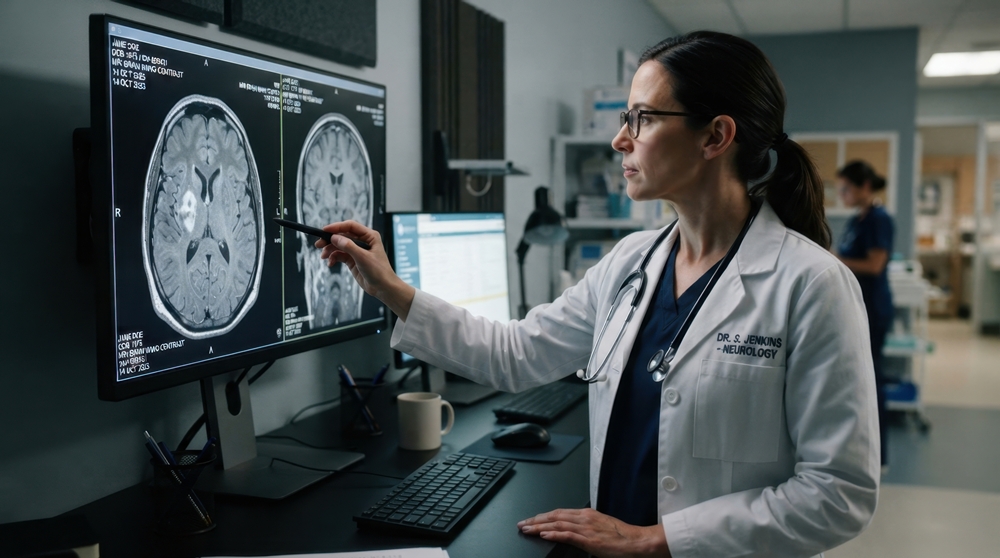
A clinical trial is testing whether low-dose radiation can reduce brain inflammation and slow disease progression in people with early-stage Parkinson’s disease.
The experimental treatment targets specific brain regions thought to be involved in the condition, with researchers investigating whether reducing inflammation could slow the worsening of symptoms.
Unlike conventional radiation therapy used to treat cancer, the approach uses much lower doses. The aim is to reduce inflammation rather than damage or destroy tissue.

Researchers at Mayo Clinic are conducting what they describe as the first clinical trial to investigate low-dose radiation as an anti-inflammatory treatment for early-stage Parkinson’s disease.
The treatment’s effectiveness has not yet been established.
Yasamin Sharifzadeh, radiation oncologist at Mayo Clinic and principal investigator of the trial, said: “Inflammation is believed to play an important role in the disease process in Parkinson’s.”
She added: “Instead of treating the symptoms patients experience, we’re investigating whether low-dose radiation can affect one of the underlying biological processes associated with the disease and therefore slow the worsening of symptoms.”
Parkinson’s disease is a progressive neurological condition that causes tremors, muscle stiffness, slowed movement and problems with balance and posture.
People with the condition can also experience cognitive changes, fatigue, depression and anxiety.
The disease is associated with the gradual loss of brain cells that produce dopamine, a chemical that helps control movement, and the accumulation of abnormal proteins in and around brain cells.
There is currently no cure. Treatments mainly focus on managing symptoms through medication and, for some patients, procedures including focused ultrasound and deep brain stimulation.
Researchers are investigating the biological processes behind Parkinson’s progression, including the role of inflammation.
Rodolfo Savica, neurologist at Mayo Clinic and study investigator, said: “Parkinson’s disease is not a single uniform condition but rather a collection of related disease subtypes that may differ biologically.”
He added: “This diversity complicates the search for a universal treatment, but despite this complication, inflammation appears to play a meaningful role across many forms of the disease.”
The trial involves delivering radiation to small, carefully selected areas of the brain believed to be involved in the development and progression of Parkinson’s.
Treatment is restricted to these regions rather than exposing the entire brain to radiation.
Before treatment, researchers use brain imaging to map each participant’s anatomy and plan where the radiation will be delivered.
They also collect blood samples to measure biomarkers, biological indicators used to assess changes associated with disease processes.
Participants undergo assessments of their physical, cognitive and emotional symptoms before treatment.
Radiation is administered once daily for five consecutive days, with each session lasting approximately 10 to 15 minutes.
Researchers will assess changes in inflammatory biomarkers and protein accumulation six hours after treatment, then again at three, six and 12 months.
Brain imaging will be used to assess dopamine loss, while participants’ physical, cognitive and emotional symptoms will be monitored throughout the study.
The trial aims to enrol 20 participants aged 45 to 75 with early-stage Parkinson’s disease that is not associated with a known genetic cause.
Participation is by invitation only at Mayo Clinic in Rochester.
Sharifzadeh said the findings could help determine whether targeting inflammation with low-dose radiation warrants further investigation.
She said: “Parkinson’s disease is multifaceted, and there is still much we are learning about the role inflammation plays in the disease.”
She added: “The findings could help determine whether this approach should be studied further and add to our understanding of the foundational biological mechanisms in Parkinson’s disease.”
 Remote rehab programme could help stroke survivors regain arm function