



Proving what works

Neurorehabilitation provided by a Multi-Disciplinary Team (MDT) of therapists is considered best practice for individuals with acquired brain injury. However, real-world service evaluations remain limited. Therefore, a team of psychologists at Richardson Care decided to complete a service evaluation to examine the outcomes of adults with Acquired Brain Injury (ABI). It aimed to evaluate the [...]

By SweetTree Home Care Service SweetTree's paper challenges a growing trend in which case management companies both manage a client's case and directly employ their support workers. It argues this combined model creates serious risks that are often invisible to clients and their representatives, and that commissioning care through an independent, CQC-regulated agency consistently delivers [...]

A new spinal injury study has examined ways to improve emergency care for athletes with catastrophic cervical spine injuries. The work focused on injuries to the cervical spine, the neck section of the spine that supports the head and protects the spinal cord. These injuries can be life-changing and need careful emergency handling to reduce [...]
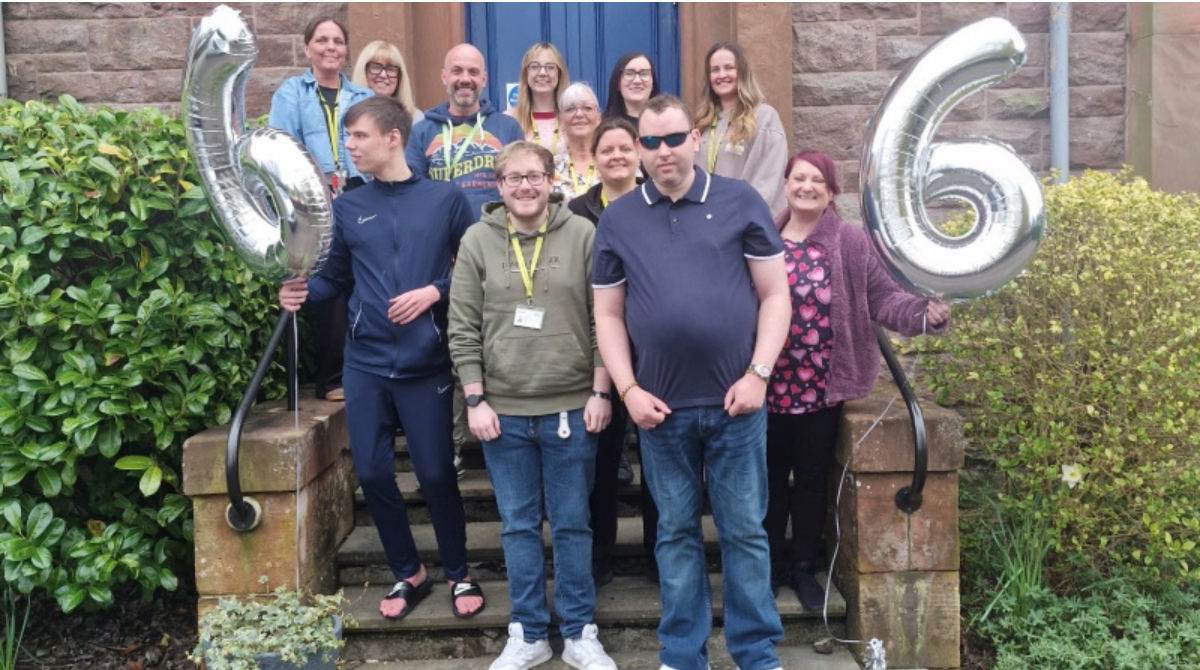
Cygnet's Ranaich House has been praised for delivering “excellent” outcomes and creating an “uplifting and positive” atmosphere following an inspection from Care Inspectorate Scotland. The specialist social care service achieved top marks of ‘6 – Excellent’ for how well people’s wellbeing is supported and how care is planned, together with ‘5 – Very Good’ for [...]

By Chiltern Music Therapy In neurorehabilitation, timing is everything. Whether we are working on step symmetry following stroke, improving speech fluency in Parkinson’s, or supporting attention after traumatic brain injury, much of our work as AHPs centres on restoring the brain’s ability to predict, sequence and coordinate. What is less widely understood is that rhythm [...]

Brain injury survivors are being urged to seek support sooner, with a charity saying earlier help can improve recovery and quality of life. Headway Thames Valley, which supports people across Berkshire and south Oxfordshire, said too many people only find help years after their injury. Jamie Higgins, the charity's manager, knows that from personal experience. [...]
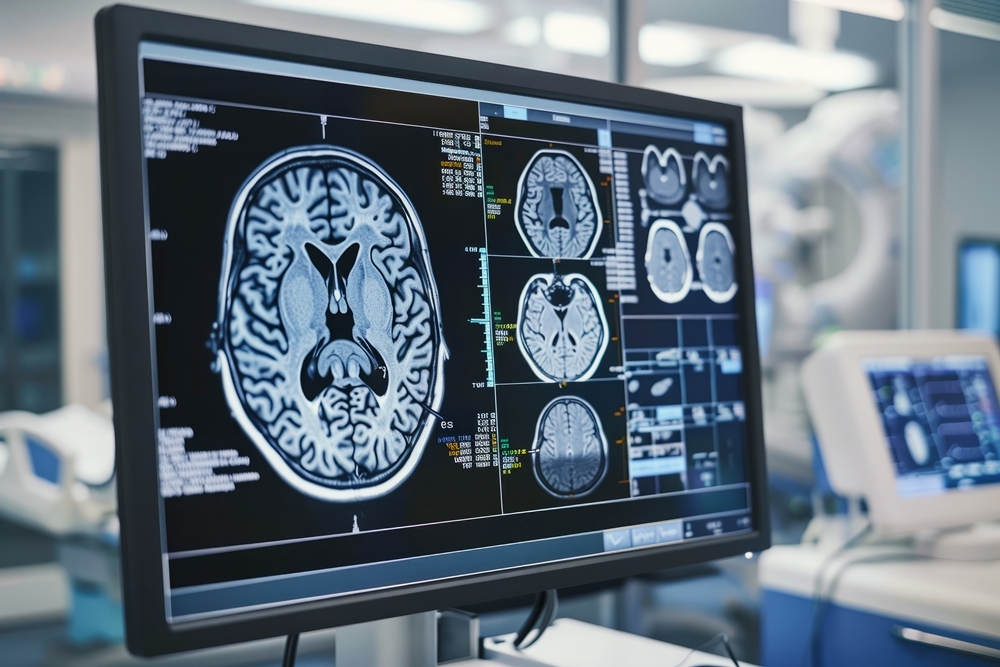
An AI tool used to assess stroke scans was linked to better stroke care and improved long-term outcomes in a large trial. The system used AI-assisted imaging analysis to classify the causes of a stroke alongside evidence-based treatment recommendations, and was tested against usual care in routine clinical practice. The trial involved 21,603 patients with [...]

A major new study has found that transcranial magnetic stimulation (TMS), which applies magnetic energy to the brain, can be a cost-effective treatment option for the NHS in treating moderate and severe forms of depression that have not responded to other treatments. The economic analysis, which is published in BMJ Mental Health, compared TMS to [...]

By Stephanie McDonald, UPCM clinical lead, Unite Professionals Unite Professionals strive to provide high-quality case management and as a result, have considered numerous ways to ensure that this is achieved. One innovative idea is the implementation of a unique outcome measure tool which delivers a number of benefits. Outcome measures are tools which are used [...]

Cutting edge technology at neurological rehabilitation centre, The Wellington Hospital, is having a huge impact on patients' recovery. The centre offers advanced tools like the Armeo Spring - a robotic exoskeleton that supports upper limb recovery by helping patients relearn and regain arm movement. Integrated into the hospital's therapist-led programmes, the Armeo supports impaired or [...]


