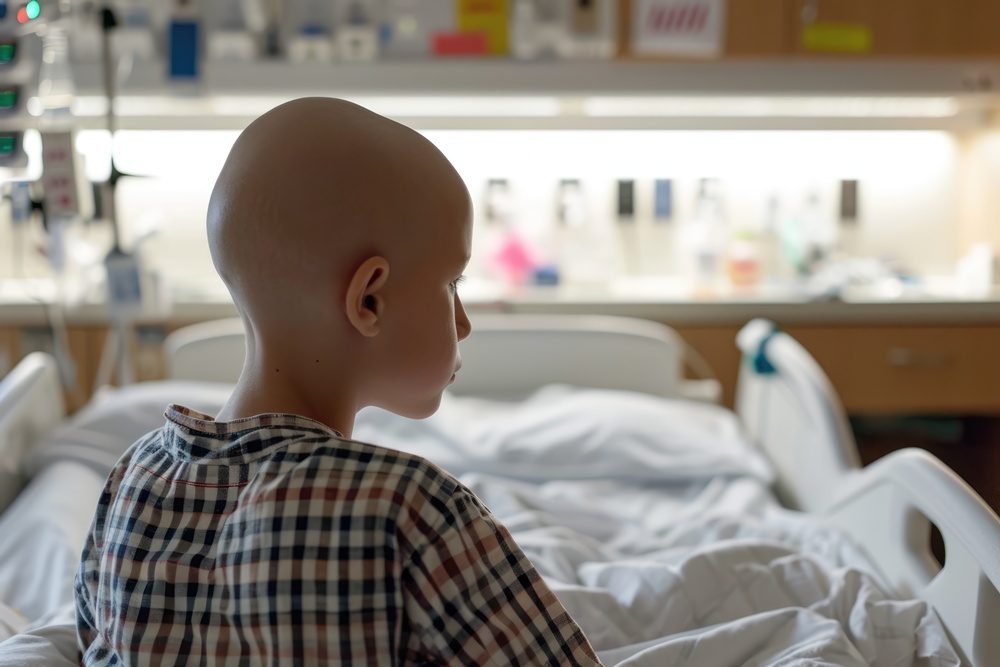
Brain injury survivors urged to seek support earlier to improve outcomes

Brain injury survivors are being urged to seek support sooner, with a charity saying earlier help can improve recovery and quality of life.
Headway Thames Valley, which supports people across Berkshire and south Oxfordshire, said too many people only find help years after their injury.
Jamie Higgins, the charity’s manager, knows that from personal experience. He suffered a brain injury after being assaulted in 2012 and struggled without support.
“For the first 12 months, I didn’t make any progress and, if anything, I think I deteriorated,” he said.
It was only after attending the charity’s eight-week ‘Living with Brain Injury’ course that Jamie’s condition began to improve.
“It was such a massive turning point in my life,” he said.
Jamie later began volunteering with the charity before working his way up to become manager.
He said one of the biggest issues they notice is how long it takes for people to find them.
“The worst thing about my job is hearing about someone phone us up and say they’ve had a brain injury three years ago and they’ve just come across us.”
“Usually by the time they’re making that phone call, they may have experienced mental health issues, relationship breakdowns, lost their job, they might be on the verge of homelessness or had brushes with the law.”
He added: “Had they contacted us three weeks or three months after their brain injury, I’m really confident that all of those things would look much better.”
The charity helps people over the age of 16 with acquired brain injuries, meaning damage to the brain caused after birth. These can result from strokes, traumatic injuries and illnesses such as meningitis.
Jamie said the charity helps fill a gap between medical treatment and long-term rehabilitation.
“The NHS is amazing at supporting people when they’re in hospital,” he said.
“But in terms of once people are out of hospital, we don’t see a great deal of support or rehab going on in the communities.
“It’s not an organic recovery. They will only recover if they get the right type of support and that’s where we come in.”
Headway Thames Valley provides services across Berkshire and south Oxfordshire, including rehabilitation courses, community support groups and specialist therapies.
Jamie said people typically attend group sessions for three years, while some are still going after 10.
He said a key part of making progress is understanding the condition and finding ways forward.
“We talk about acceptance with all of our clients and it’s never ‘accept that this is how you are now and it’s the way it’s going to be’, it’s ‘accept that something significant has happened to you and you’re probably going to have to make some changes to the way you live your life’.”
Jamie said he hopes raising awareness of brain injuries will help more people get support sooner so they can make the most of their recovery.
He said: “There is so much potential to get better and to live a really fulfilling and great life again with a brain injury.”