



Huntington’s
Huntington’s disease care and research.
 Huntington's21 Aug
DNA damage findings could point to a new treatment route for Huntington's disease after an antioxidant reduced neuronal damage and symptoms in mice. Researchers found a marked increase in breaks across DNA strands in a mouse model of the inherited neurodegenerative condition. Treatment with an investigational antioxidant reduced these breaks, prevented motor deficits and reduced [...]
 Huntington's12 Aug
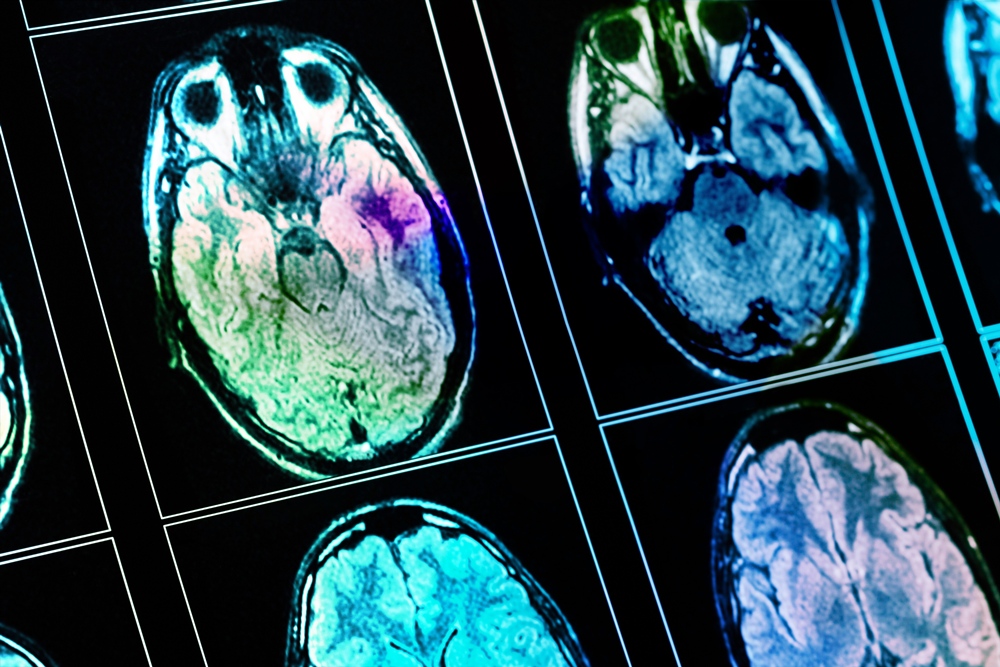
A new imaging technique could help track Huntington's disease by detecting microscopic changes in brain tissue that conventional scans may miss. Researchers found the approach could identify abnormalities in brain regions affected by the inherited neurological condition. The findings could eventually help monitor disease progression and assess experimental treatments, although larger and longer-term studies are [...]
 Huntington's4 Aug
Gene editing reduced toxic protein fragments and Huntington’s symptoms in mice, suggesting a possible new approach to treatment. Unlike other gene-based treatments that aim to switch off the gene, the experimental method changes how cells read it. The tool alters a specific point in the huntingtin gene so the cell skips a small section prone [...]
 Huntington's29 Jul
A study of more than 2.5m adults has identified a genetic link between fibromyalgia and Huntington’s disease. The research found an association between the long-term condition, which causes brain fog, fatigue and widespread pain, and the inherited neurological disorder. Around 7,000 people in the UK are living with Huntington’s, a progressive condition that destroys nerve [...]
 Huntington's23 Jun
The first patient has received an experimental stem cell therapy in a clinical trial for Huntington’s disease. The phase 1b/2a trial will assess the safety of hNSC-01 neural stem cells delivered directly to the brain using a specialised targeting system in an MRI suite. Neural stem cells can develop into several types of cells found [...]
 Huntington's20 May
New guidance aims to help health professionals improve Huntington’s care across mental health, cognition and wider support. The resources have been developed by the Huntington’s Disease Association (HDA) with experts including Dr Sarah Gunn, from the University of Leicester, and Dr Akshay Nair. Huntington’s disease is a rare inherited condition that gradually damages nerve cells [...]
 Huntington's3 Mar
An oral therapy for Huntington's disease has been deemed eligible for a fast-track approval pathway by Australia's medicines regulator. The therapy, SKY-0515, is a small molecule designed to target RNA, the genetic instructions cells use to produce proteins involved in the disease. Huntington's disease is a rare inherited neurodegenerative disorder that causes progressive damage to [...]
 Huntington's3 Mar
The US Food and Drug Administration says early trial data for a Huntington's gene therapy are not sufficient to support a marketing application. Gene therapy company uniQure said final meeting minutes from a Type A meeting with the FDA on 30 January 2026 confirmed the regulator's position on AMT-130. AMT-130 is an investigational gene therapy [...]
 Huntington's17 Feb
Harness Therapeutics has named HRN001 as its lead Huntington’s disease drug candidate and set out plans to advance the programme towards clinical trials. Huntington’s disease is an inherited neurodegenerative condition that causes progressive problems with movement, thinking and mental health, with death often occurring within 15 years of symptoms starting. There are currently no approved [...]
 Huntington's5 Feb
Nine months of an investigative treatment appears to slow Huntington's progression in early-stage patients, interim Phase 1 data from an Australian substudy suggests. Huntington's is a progressive disorder caused by a genetic change that produces a toxic form of huntingtin, a protein that harms nerve cells. New interim results indicate the oral candidate SKY-0515 slowed [...]


