



Dementia
Dementia diagnosis, care and research.
 Stroke28 Sep
Insomnia was linked to a 26 per cent higher stroke risk and 28 per cent higher odds of hospital admission, according to a large evidence review. The review also found associations with depression and suicidal behaviours, while evidence suggested a link with dementia, particularly Alzheimer’s disease. A previous analysis estimated that insomnia meeting international diagnostic [...]
 Brain injury7 Sep
Younger brains may face a greater long-term seizure burden after traumatic brain injury (TBI), despite assumptions that they recover better, laboratory research suggests. Researchers found age appeared to influence the course of recovery after traumatic brain injury, or TBI, rather than simply determining whether outcomes were better or worse. Younger brains developed seizure activity later [...]
 Dementia2 Sep
Three blood biomarkers may help identify cognitive decline and track its progression in people with Parkinson's disease, a study suggests. Researchers found that clusterin (CLU), neurofilament light chain (NfL) and low-density lipoprotein cholesterol (LDL-C) were independently associated with cognitive impairment. Combining the three markers with measures of motor disease severity allowed researchers to distinguish patients [...]
 Dementia10 Jul
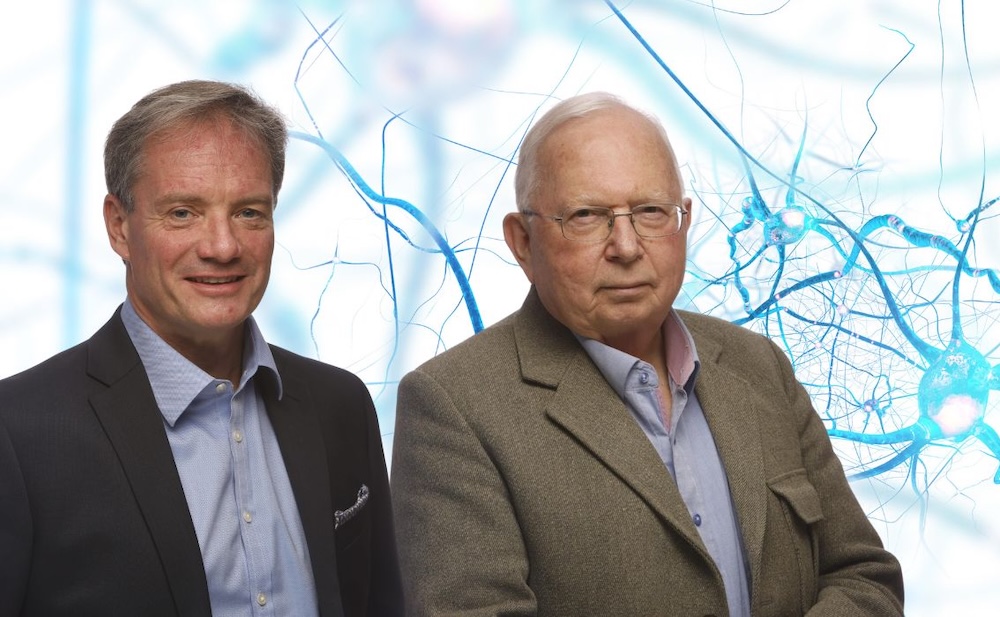
Scottish life sciences firm TauRx Therapeutics has hosted a summit of leading Alzheimer's patient advocacy organisations in London, as it awaits a regulatory decision on what could become the first oral treatment for early Alzheimer's disease licensed in the UK. Representatives from groups including Alzheimer Europe, Alzheimer Scotland and Alzheimer's Disease International joined senior figures [...]
 Dementia17 Jun
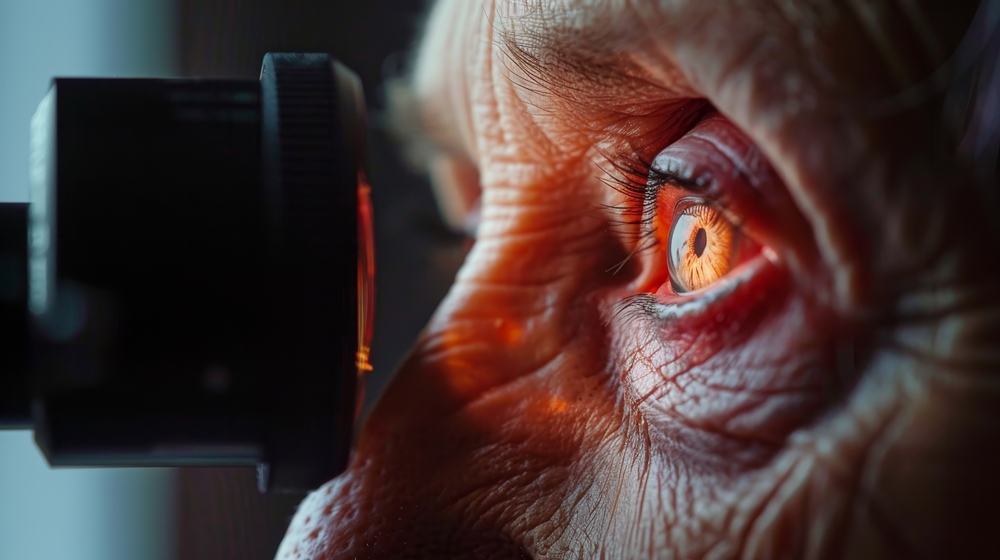
Retina photos could help predict common Alzheimer’s risk factors, new research suggests. The study found that simple photographs of the retina, the light-sensitive layer at the back of the eye, may offer clues about future brain health. Researchers said the images can predict many common risk factors associated with developing Alzheimer’s disease. [...]
 Stroke27 Apr
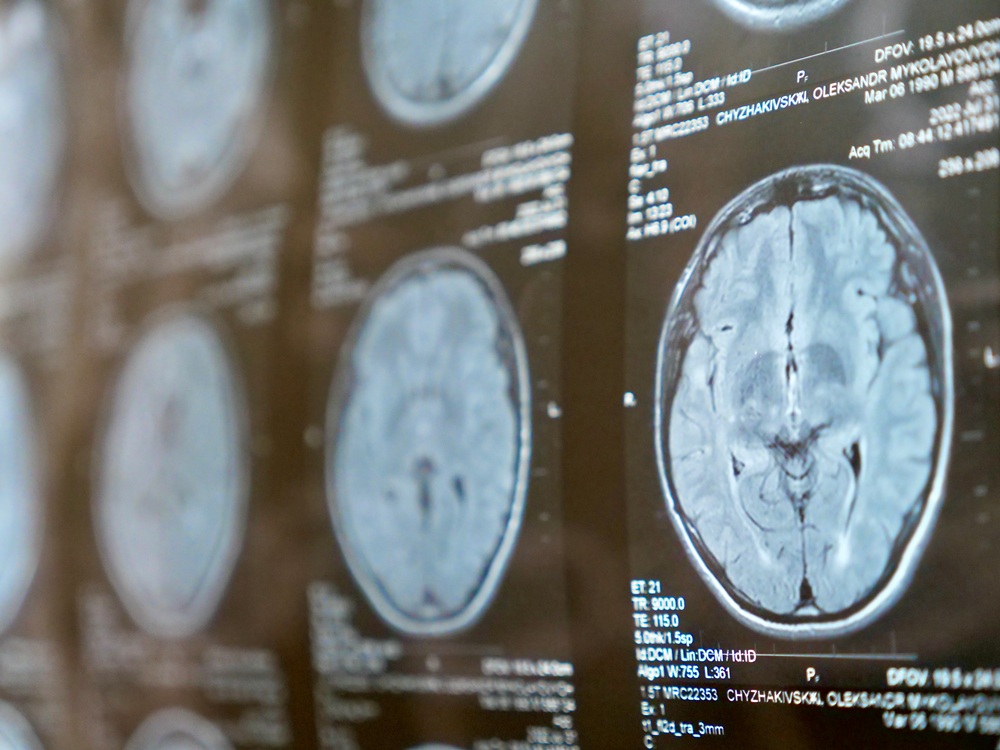
A severe stroke may raise the odds of dementia fivefold and speed long-term declines in memory and thinking, a national study suggests. People with the most severe strokes had five times higher odds of developing dementia and showed cognitive decline equivalent to being more than two years older at baseline than people who did not [...]
 Dementia26 Mar
By Ruth Dixon, Programme Lead, Challenge Works Humans are social creatures – connection to others is vital for good health and wellbeing. Despite this, research conducted last year showed that almost one out of every four older individuals in the world feels lonely - a significant and saddening statistic. Research has consistently shown that people [...]
 Dementia12 Mar
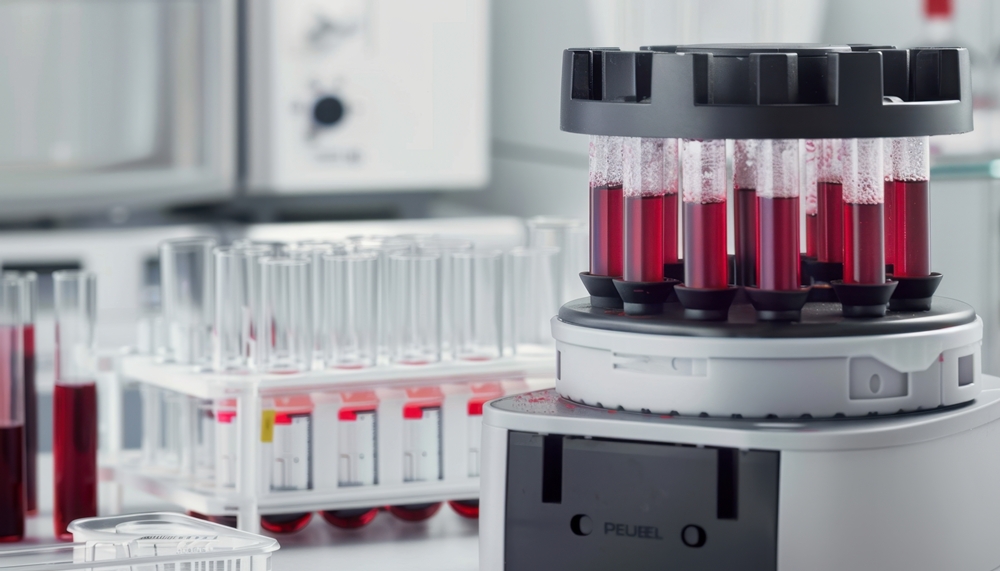
A blood test that tracks protein shape could help detect Alzheimer's earlier, research suggests, by spotting disease-linked changes missed by current methods. Current tests usually measure levels of two proteins, amyloid beta and phosphorylated tau, in the blood or spinal fluid, but these markers may not fully capture earlier biological changes linked to disease progression. [...]
 Dementia12 Mar
Retinal scans could help doctors tell similar brain diseases apart, with research suggesting they may help detect conditions including ALS and Alzheimer's. There is currently no objective diagnostic test for amyotrophic lateral sclerosis, or ALS, a progressive condition that affects the nerve cells controlling movement, or for frontotemporal lobar dementia with TDP-43, known as FTLD-TDP. [...]
 Dementia4 Mar
By Tuned Global Music in the medicine and research space has proved to have significant therapeutic benefits, treating conditions including dementia, Parkinson’s disease, PTSD and ADHD. Now, with the evolution of music technology and AI, the potential to heal the mind through music has become even more powerful. At a recent industry event, three experts [...]


