



Multiple sclerosis
MS treatment, rehab and research.
 Multiple sclerosis20 Oct
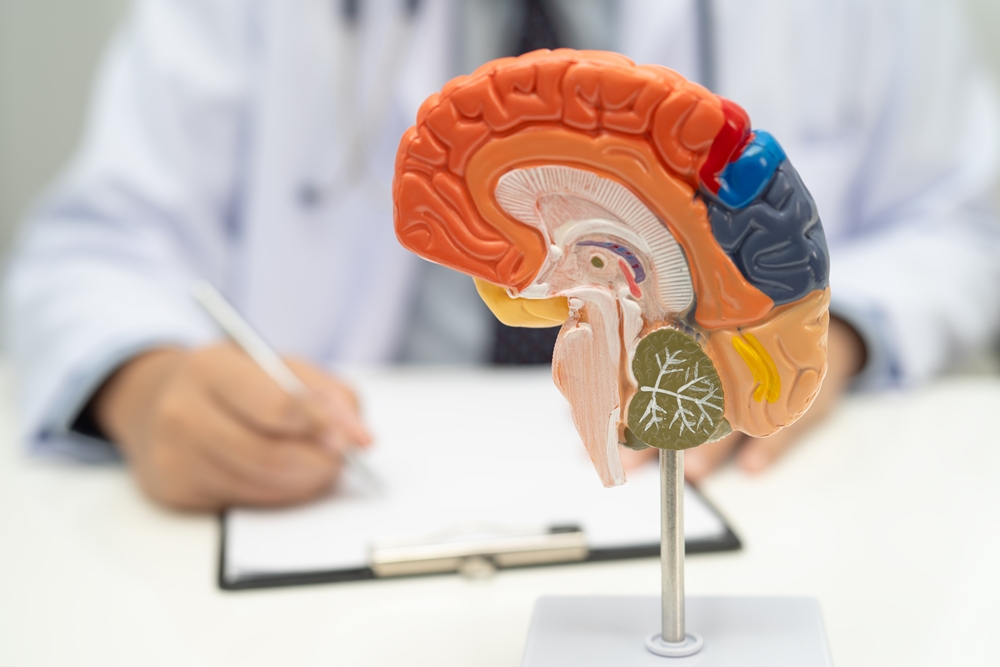
Brain cells have been sent to the International Space Station to prepare for future research into multiple sclerosis (MS) and Alzheimer’s disease. Two biomedical experiments, SSA-1 and SSA-2, travelled aboard the SpaceX CR35 mission to study how cells behave in microgravity, where the effects of gravity are greatly reduced. The initial experiments aim to establish [...]
 Multiple sclerosis15 Oct
Parental stress may help explain the link between disease-related difficulties and lower self-esteem in children with MS, a study suggests. Researchers found that greater fatigue, slower information processing and more severe disease were associated with higher parental stress. Higher stress was also linked to lower self-esteem among children and adolescents with paediatric-onset multiple sclerosis (POMS), [...]
 Multiple sclerosis13 Oct
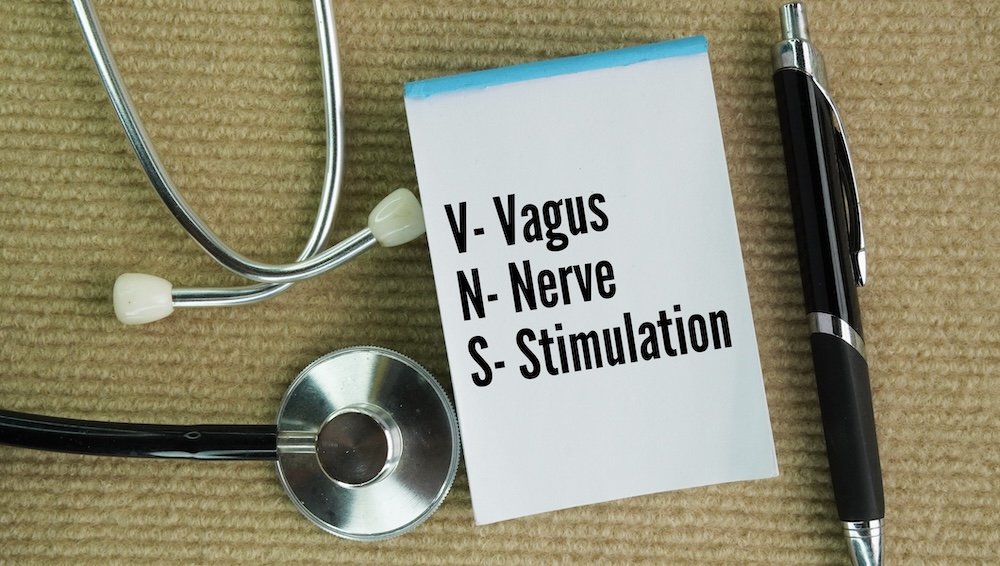
A trial is testing whether ear-based vagus nerve stimulation can improve hand function and potentially support myelin repair in people with MS. The treatment delivers electrical pulses through the ear during rehabilitation exercises. Researchers are investigating whether it can improve movement by helping the brain adapt and reorganise connections. The study will primarily assess safety [...]
 Multiple sclerosis12 Oct
Experimental MS therapy Lucid-MS is moving towards phase 2 testing after US regulatory clearance. Quantum Biopharma has entered an agreement with Thermo Fisher Scientific to prepare a clinical trial of the oral therapy in people with progressive multiple sclerosis (MS). The study will assess the safety, tolerability and efficacy of Lucid-MS, which is designed to [...]
 Multiple sclerosis9 Oct
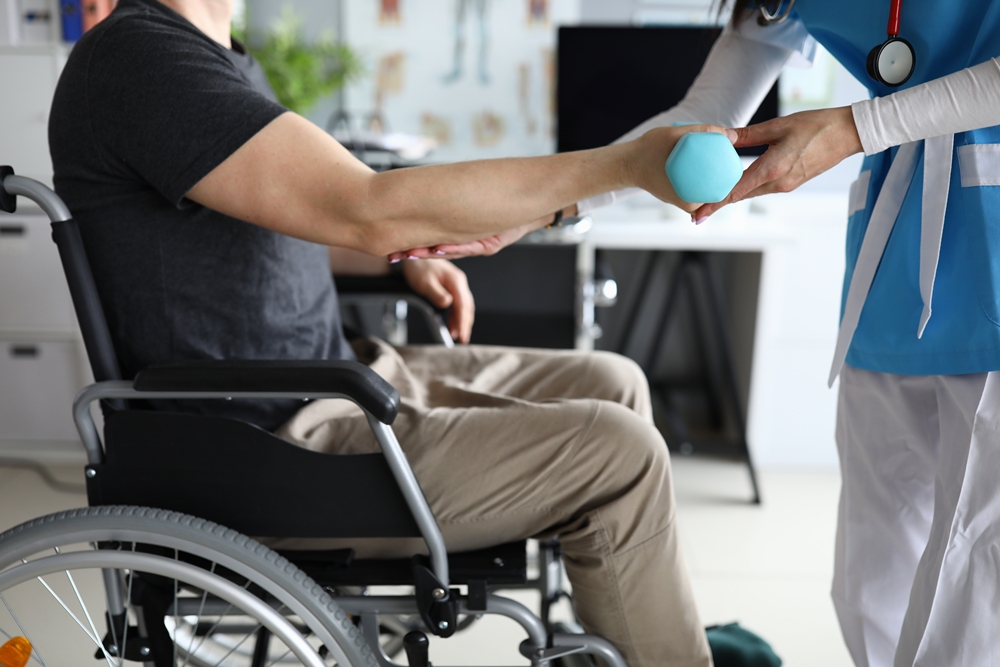
A brief, personalised rehabilitation programme may help people with MS manage cognitive difficulties, a feasibility study suggests. Participants in the Neuropsychological Evaluation and Rehabilitation in Multiple Sclerosis (NEuRoMS) programme reported improvements in planning daily activities, using cognitive strategies and managing fatigue. The intervention was also associated with a moderate improvement in the psychological impact of [...]
 Multiple sclerosis8 Oct
The National MS Society raised more than US$12m on the first day of a five-year US$1bn campaign to accelerate MS research and expand access to care. The US-based nonprofit launched its Campaign to End MS on 1 October, with nearly 500 guests attending a New York City gala. The organisation said the campaign will support [...]
 Multiple sclerosis2 Oct
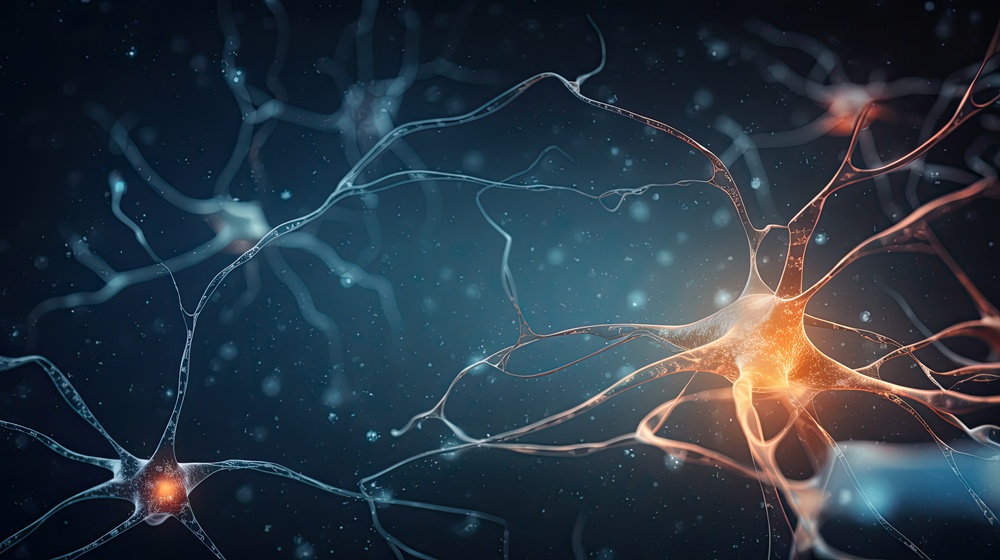
3D mini-brains made from human cells could help researchers study myelin damage and screen potential treatments for multiple sclerosis (MS). The models are about the size of a grain of rice and allow researchers to observe myelin destruction, known as demyelination, and its repair, or remyelination, in human cells. Myelin is the fatty sheath that [...]
 Multiple sclerosis30 Sep
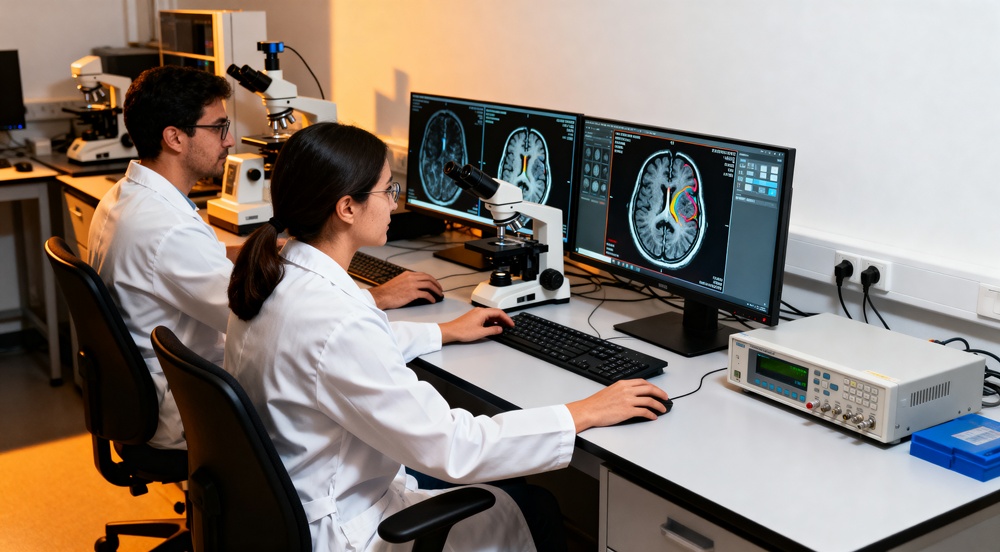
An experimental MS drug restored movement and vision in mice by protecting nerve fibres and myelin, researchers report. The treatment, called K-9, also prevented increases in neurofilament light chain, a blood marker of nerve damage often used in clinical trials. Mice treated with the approved multiple sclerosis drug fingolimod did not show the same reversal [...]
 Multiple sclerosis25 Sep
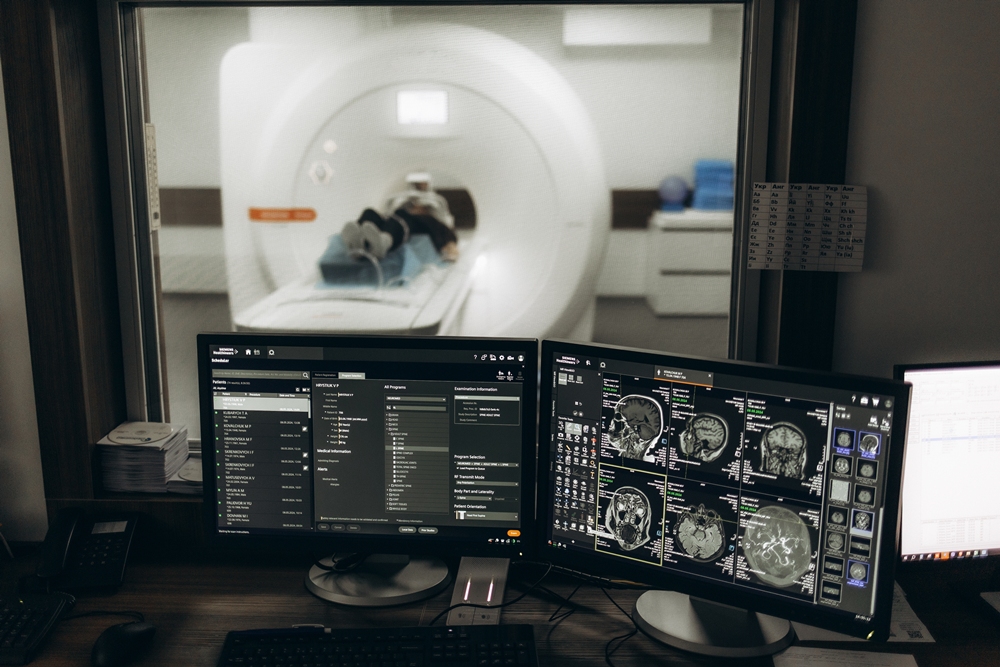
A new MRI test for MS has cut diagnosis times and allowed patients to avoid lumbar punctures, researchers report. The scan adds around six minutes to a standard MRI and looks for a feature known as the central vein sign. During a rollout of the test, the average time to diagnosis fell from 5.6 months [...]
 Multiple sclerosis25 Sep
An experimental drug reversed paralysis and vision loss in a mouse model of MS, while preserving nerve fibres and their myelin insulation, researchers found. Kamuvudine K-9 also stopped levels of neurofilament light chain, a blood marker of nerve damage, from rising during the experiments. Animals given an approved MS treatment did not recover nearly as [...]


