



Parkinson’s
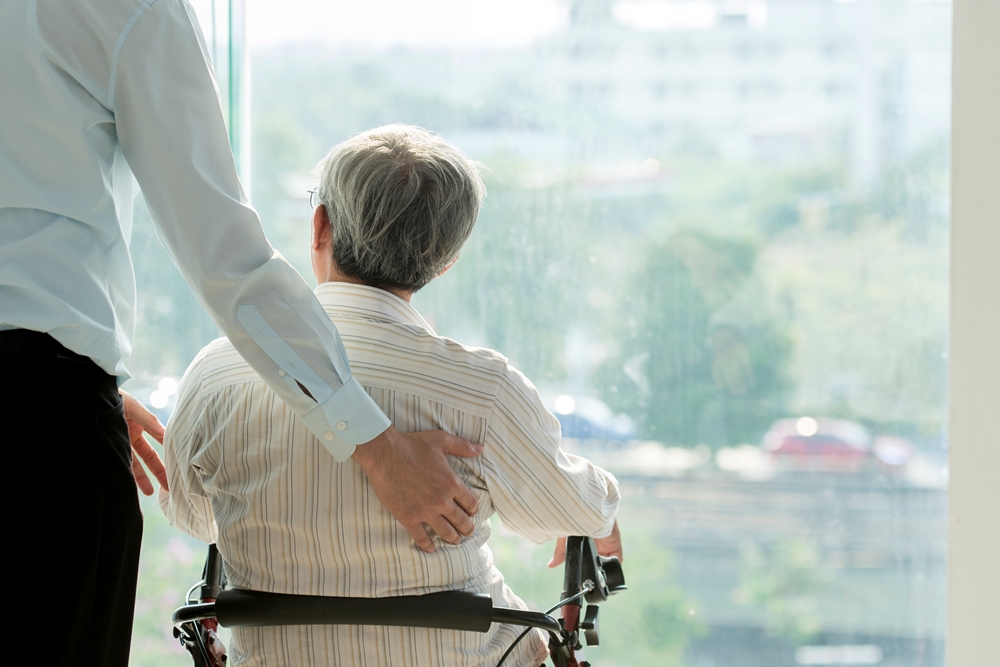
People diagnosed with Parkinson’s after emergency hospital care had poorer outcomes than those diagnosed through non-emergency routes, a study found. More than 30 per cent of people with Parkinson’s in the analysis received their diagnosis following an emergency presentation. Across most conditions studied, emergency diagnosis was associated with higher mortality and longer hospital stays during [...]
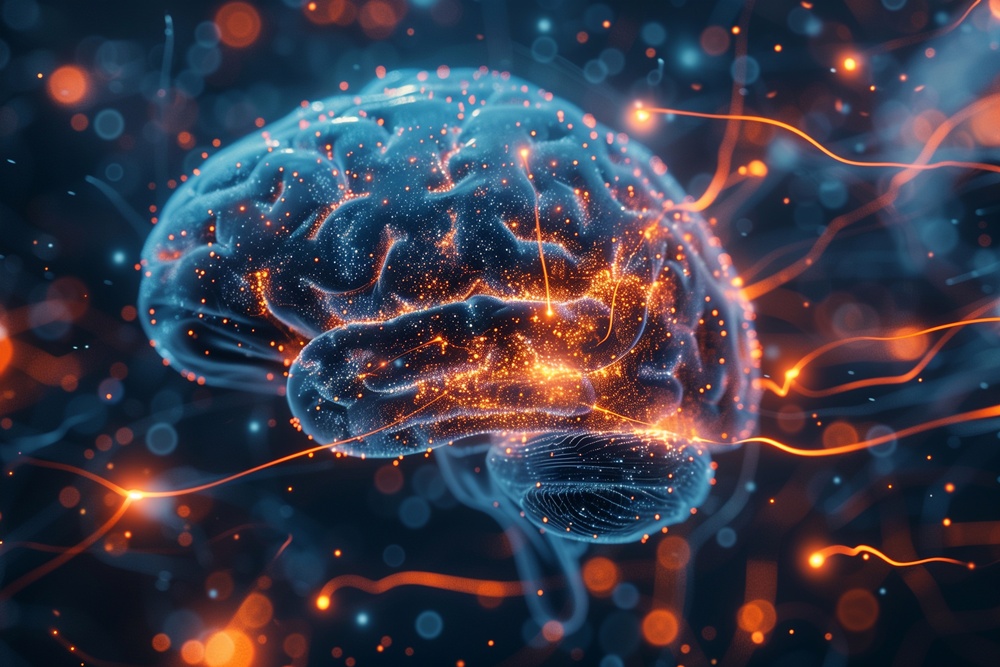
Distinct brain signal patterns across connected regions may help explain Parkinson’s symptoms and inform more targeted treatments, a study suggests. Researchers identified two types of beta activity, low-beta and high-beta, with different spatial, temporal and potential functional roles across brain networks involved in Parkinson’s. The findings suggest that the timing, coordination and direction of these [...]

Starting Parkinson’s rehabilitation within a year of diagnosis was associated with longer survival in a recent nationwide study. Delaying rehabilitation was linked to progressively higher mortality risk across all disability levels, including among people without functional impairment, the South Korean study found. The researchers said the findings “indicate that the survival benefit of timely rehabilitation [...]

Tai Chi may improve motor symptoms, physical function and quality of life in people with early to mid-stage Parkinson's, a small trial suggests. A 14-week programme combining resistance and stretching exercises led to similar overall improvements in motor symptoms, although the two approaches appeared to have different physical benefits. Tai Chi appeared to have relatively [...]
New findings on dopamine disruption could point towards treatments targeting Parkinson's disease at an earlier stage, researchers suggest. Scientists found that disease-causing genetic mutations can disrupt the brain's production of dopamine. The findings could help researchers investigate treatments aimed at vulnerable neurons earlier in the disease process. Researchers at Northwestern University examined [...]
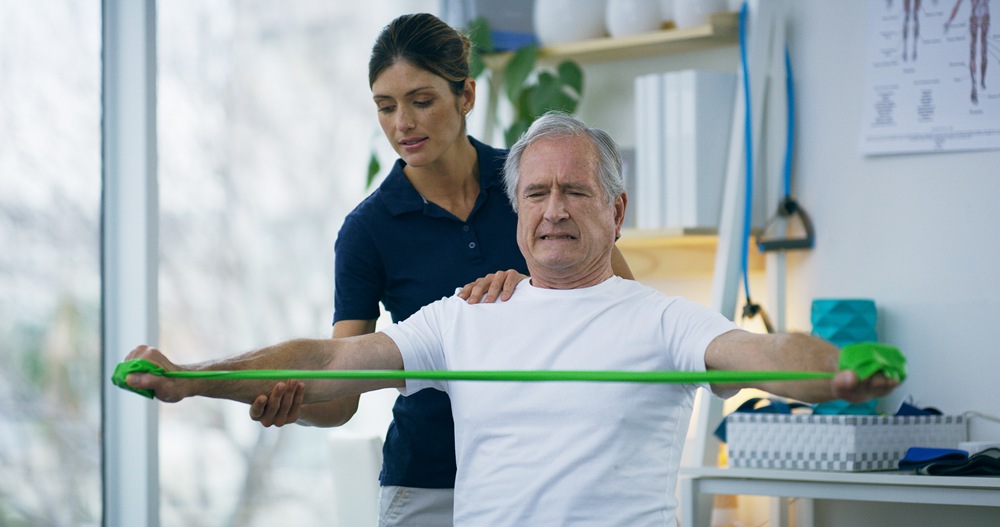
Exercise may help slow Parkinson's progression through biological signals released by muscles, according to new research. The review suggests exercise does more than improve strength, balance and mobility. It also triggers the release of molecules known as exerkines, which travel through the bloodstream and may reduce inflammation, protect nerve cells and support brain function. The [...]
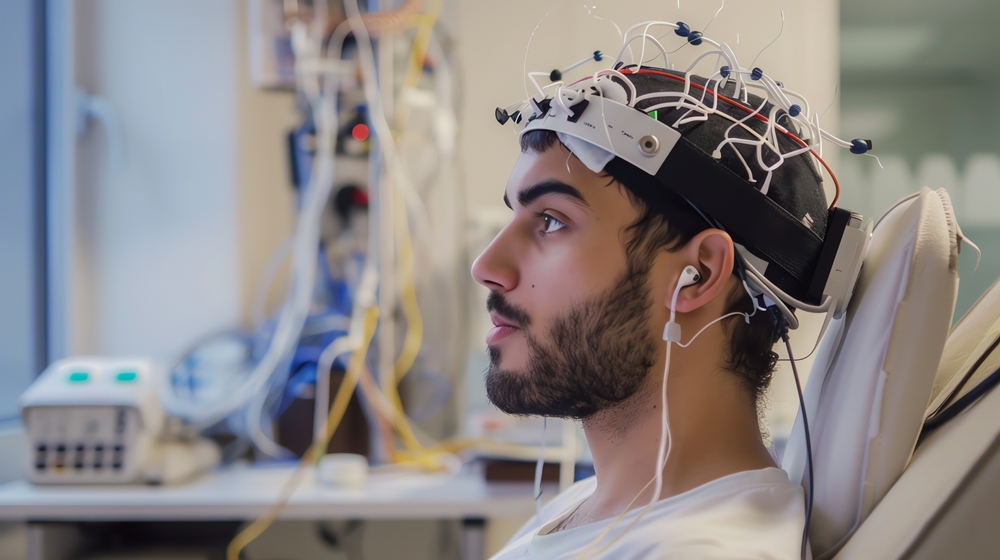
A specific brain rhythm may help explain how deep brain stimulation works in Parkinson's and could lead to more precise treatment, research suggests. Scientists found the benefits of deep brain stimulation, or DBS, appear to depend on stimulating a specific brain network that communicates mainly through a relatively fast beta rhythm of 20 to 35 [...]

A former professional rugby player who represented Ireland at under-20 level has begun an 18,000-mile world cycle to raise £50,000 for a Parkinson's charity. Ciaran Booth and his girlfriend Lucy Pickersgill, both 26, set off from Manchester Rugby Club in Stockport and plan to travel about 30,000km through around 30 countries over 18 months. The [...]

A Parkinson’s-linked mutation disrupts dopamine release in vulnerable brain cells before detectable neuron loss, research suggests. The findings could help researchers develop treatments aimed at the earliest stages of Parkinson’s disease. Loukia Parisiadou is assistant professor of pharmacology and senior author of the study. The researcher said: “Our study shows that the [...]

Professional American football exposure is linked to a higher Parkinson’s death risk and increased neurodegenerative mortality among former players, research suggests. Former running back Ahman Green recently revealed that he had been diagnosed with early-onset Parkinson’s disease. Before his diagnosis, Green experienced involuntary foot twitching during sleep and subtle short-term memory problems. [...]


