Pro American football players face increased risk of early-onset Parkinson’s – study
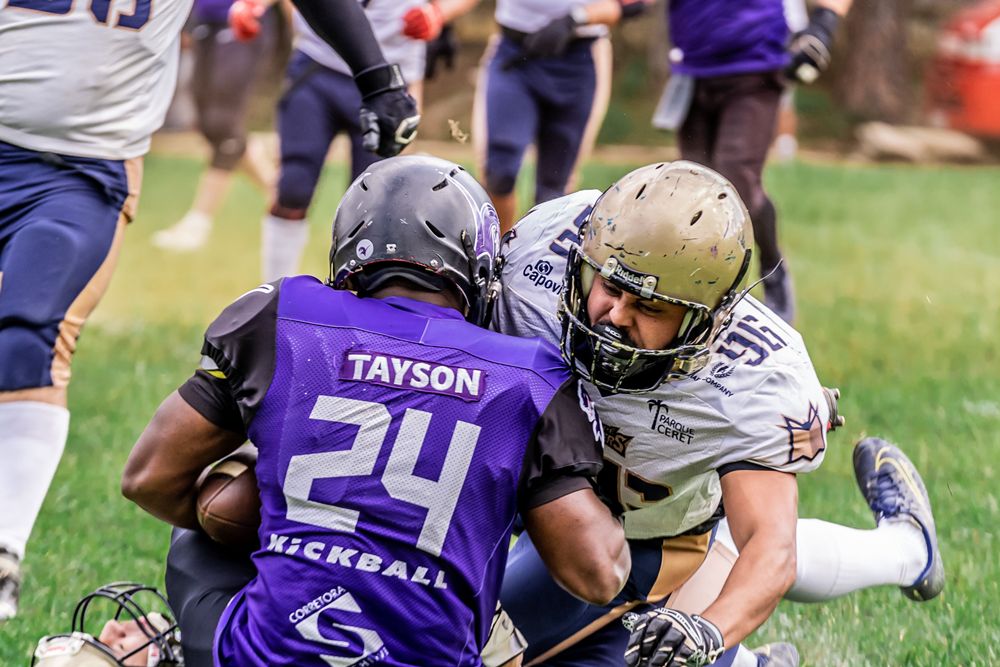
Professional American football exposure is linked to a higher Parkinson’s death risk and increased neurodegenerative mortality among former players, research suggests.
Former running back Ahman Green recently revealed that he had been diagnosed with early-onset Parkinson’s disease.
Before his diagnosis, Green experienced involuntary foot twitching during sleep and subtle short-term memory problems.

These are known as prodromal symptoms, meaning early signs that appear before a condition is formally diagnosed.
His case reflects wider findings on the long-term neurological health of former professional American football players.
Researchers analysed nearly 20,000 former professional players and found a marked difference between their overall health and neurological outcomes.
The players had an all-cause death rate around 30 per cent lower than that of the age-matched general population, linked to cardiovascular and physical fitness advantages.
However, their rate of death from neurodegenerative diseases, which progressively damage the brain or nervous system, was nearly four times higher.
Deaths linked specifically to Parkinson’s disease were 3.88 times more common.
The increased risk of early-onset Parkinson’s disease and other neurodegenerative conditions was particularly pronounced among younger players.
Those who died before the age of 60 had more than 12 times the rate of neurodegenerative mortality recorded among standardised population controls.
Researchers also found a dose-response relationship, meaning the risk increased with greater exposure to professional American football.
Players who completed five or more professional seasons had almost twice the risk of death from a neurodegenerative condition as those whose careers lasted between one and four seasons.
They also had 2.38 times the rate of death from Parkinson’s disease.
The findings point to a need for closer monitoring by GPs, sports medicine specialists and neurologists treating former contact-sport athletes.
The authors said athletes generally have lower mortality from cardiovascular conditions and cancer, making the higher rate of neurodegenerative deaths more notable.
They said the isolated increase points to repeated head trauma experienced during professional play.
Clinicians treating people with a history of repeated head impacts should watch for subtle movement problems, unusual limb movements during sleep and early changes in thinking or memory.
Earlier assessment could support timely diagnosis, symptom management and long-term care planning.