



Speech & language therapy
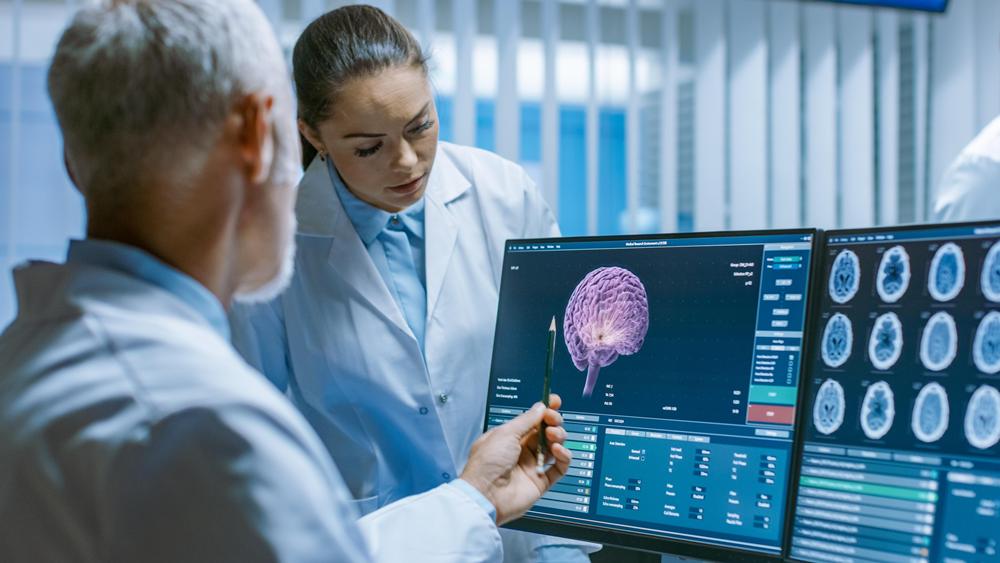
Deep brain stimulation may improve speech and swallowing control after traumatic brain injury, early research suggests. A proof-of-concept study found that low-frequency electrical stimulation of the motor thalamus improved control of facial and tongue muscles used in speaking and swallowing. The motor thalamus is a deep brain region connected to the motor cortex. Researchers suggest [...]
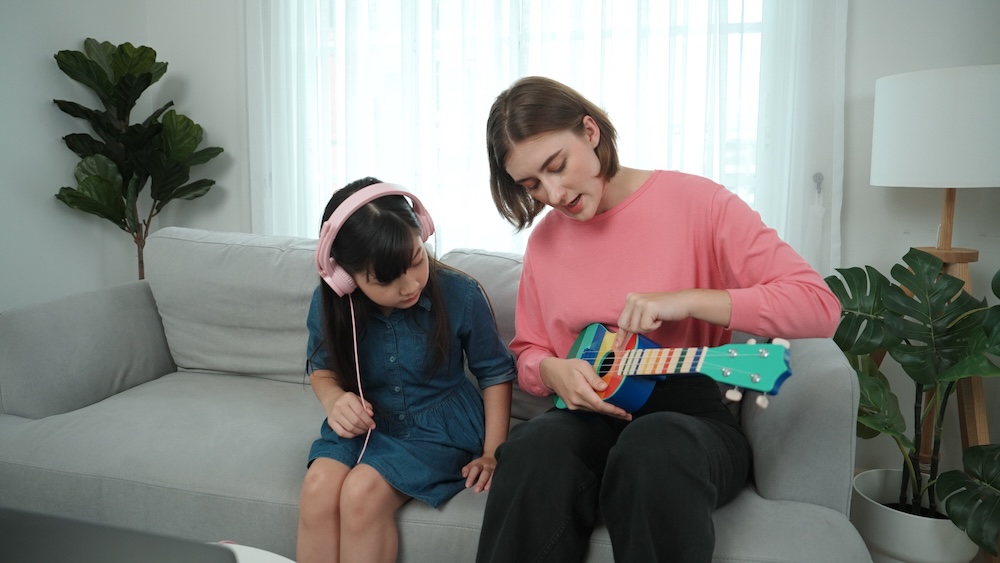
Music therapy with speech and language therapy may support communication in young children recovering from acquired brain injuries, new research suggests. The study examined how children aged two to six responded to joint therapy sessions delivered during inpatient neurorehabilitation. Researchers identified three ways the combined approach supported communication development. Familiar songs encouraged [...]

By Katy James, Lead Speech and Language Therapist, Cognivate When an adult sustains an acquired brain injury (ABI) – whether traumatic or non-traumatic – the effects on communication can be subtle but far-reaching. Many people are familiar with and may easily recognise when someone presents with dysarthria or aphasia, the motor speech and language impairments [...]

By Lucy Babbs, speech and language therapist, Ascot Rehab When 56-year-old Bernard* arrived at the Ascot Rehabilitation centre in Streatham, London, he was facing one of the biggest challenges of his life: rebuilding his ability to communicate. A fit and energetic man, Bernard had been thriving in an executive role and busy with family life [...]

For the first time, Spanish and Indian English speakers recovering from stroke, traumatic brain injury (TBI), aphasia, apraxia, dementia, or other neurological conditions can access a comprehensive library of culturally and linguistically tailored cognitive rehabilitation exercises from their homes. Spanish is the most common non-English language spoken in the United States, with millions of speakers [...]

A new study investigating how a parakeet’s brain helps it to mimic human words has established the bird as an important animal model for investigating speech motor control, and researchers say the findings could help develop therapeutic solutions for addressing a range of communication disorders. By recording for the first time the brain activity of [...]
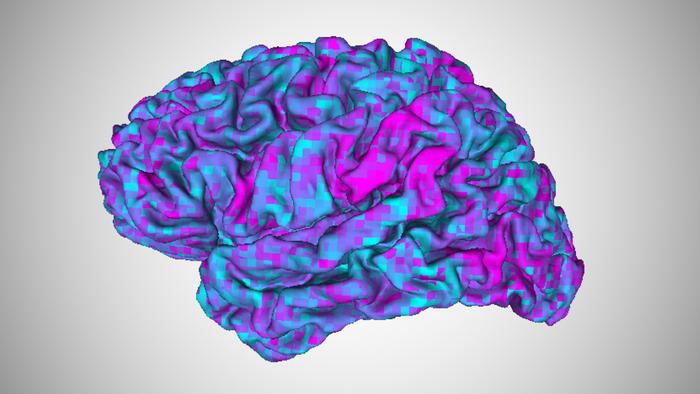
A pair of researchers at The University of Texas at Austin have demonstrated an AI-based tool that can translate a person’s thoughts into continuous text, without requiring the person to comprehend spoken words. And the process of training the tool on a person’s own unique patterns of brain activity only takes about an hour. This [...]

In the following article, written by Ellice Wood, Highly Specialist Speech and Language Therapist at St Andrew’s Healthcare, Ellice discusses how building understanding, empathy and emotional resilience can break down barriers in communication, demonstrating the profound impact of Speech and Language Therapy on mental health and social integration. In mental healthcare, the importance of Speech [...]

A new study from a team of international researchers has revealed why people with aphasia have difficulty talking about past and future events. The findings could lead to the development of more comprehensive diagnositic techniques. Aphasia is a severe speech disorder, often resulting from a stroke, in which individuals lose the ability to speak coherently. [...]
Aphasia is a condition that affects a quarter of stroke survivors. It impairs communication abilities, including speaking, listening, reading, and writing. Aphasia can have a profound impact on social relationships, employment, and overall quality of life. In current UK practice, 90% of speech and language therapists acknowledge the importance of discourse assessment and treatment. However, [...]


