



Neurophysiotherapy
Physiotherapy for neurological conditions.
 Stroke13 Oct
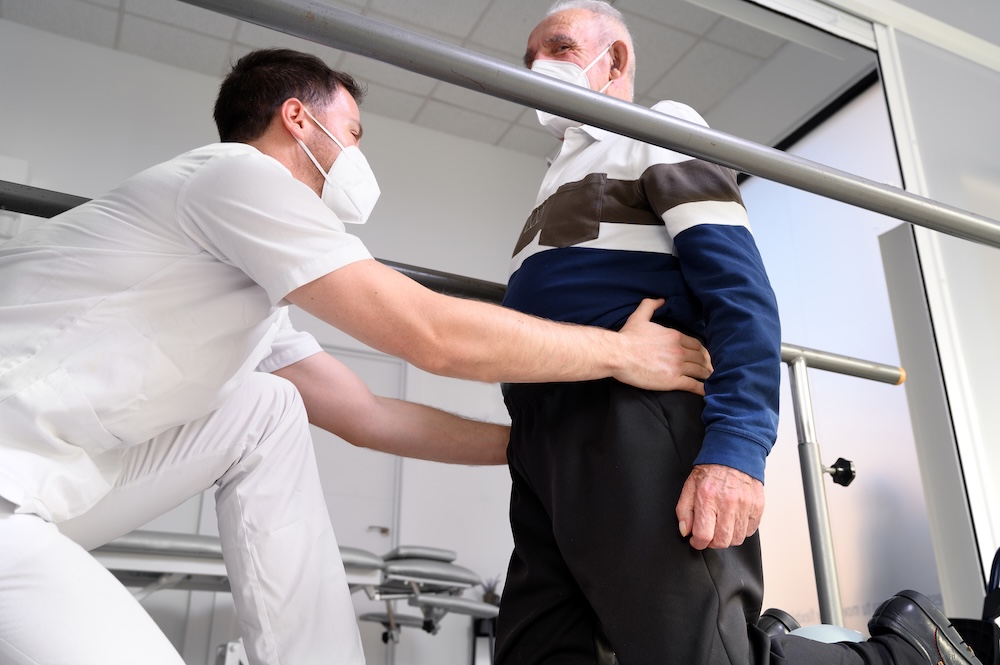
Cardiff stroke rehab classes have helped survivors improve strength, balance and confidence while giving physiotherapy students practical experience. The Cardiff University Rehabilitation Academy (CURA) ran a 10-week series of exercise classes between April and June 2026 at the university's new Heath Park West Campus. Delivered in partnership with Stroke Association Wales, the programme provided evidence-based [...]
 Spinal injury28 Aug
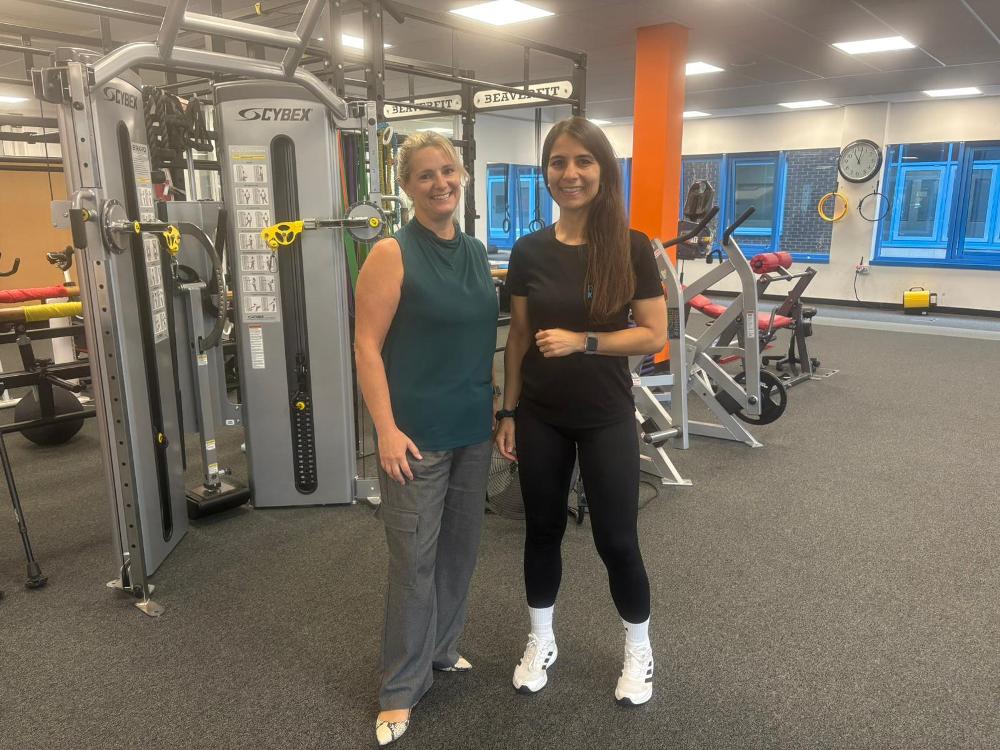
Jo Godfrey from Oxford is about to embark on an epic 200-mile solo walk to raise funds for a spinal cord injury community close to her heart. In an extraordinary display of friendship, solidarity and paying it forward, Jo will walk from Bristol to Hemel Hempstead and on to Gatwick, linking up the three Neurokinex [...]
 Parkinson's16 Apr
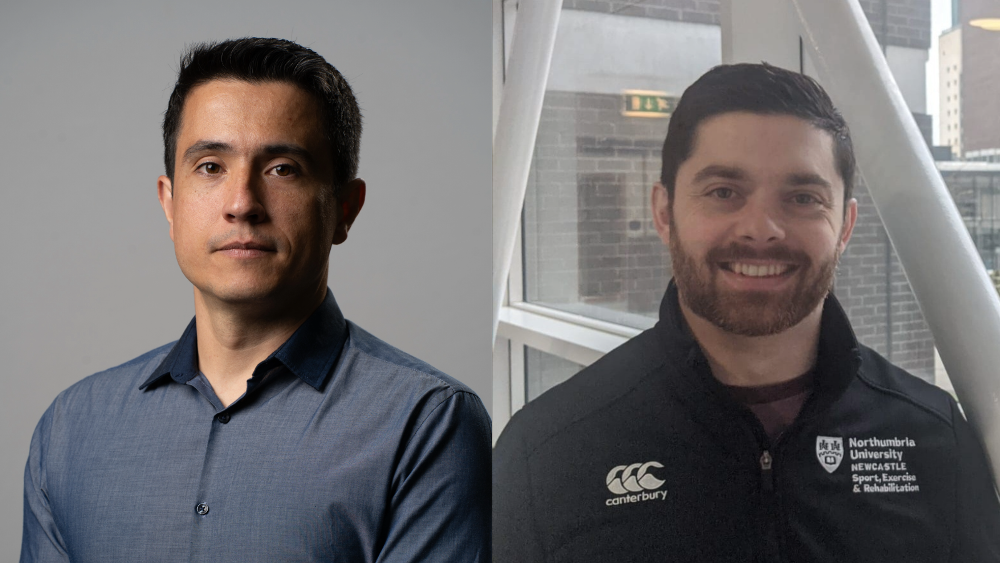
Two Northumbria University researchers have won grants for Parkinson's disease and knee osteoarthritis projects in a £6.7m health research scheme. Dr Rodrigo Vitorio and Dr Justin Andrushko, both from Northumbria's School of Sport, Exercise and Rehabilitation, are among 55 early career scientists across the UK to receive funding from the Academy of Medical Sciences' Springboard [...]
 Neurophysiotherapy10 Feb
By Katy James, Lead Speech and Language Therapist, Cognivate When an adult sustains an acquired brain injury (ABI) – whether traumatic or non-traumatic – the effects on communication can be subtle but far-reaching. Many people are familiar with and may easily recognise when someone presents with dysarthria or aphasia, the motor speech and language impairments [...]
 Parkinson's13 Oct
Martial arts classes are transforming the lives of people living with neurological conditions such as multiple sclerosis (MS) and Parkinson’s disease. NR Times editor Stephanie Price speaks to Adam Poulter, founder of Foundation Physio, to find out more. Neurophysiotherapy service Foundation Physio is helping its clients to build strength, flexibility and co-ordination through a ten-week [...]
 Multiple sclerosis10 Oct
By Rishika Balani, physiotherapist, Ascot Rehab Multiple sclerosis (MS) is the most common cause of non-traumatic neurological disability in young adults. Charcot originally identified the classic triad of symptoms as nystagmus, intention tremor, and scanning speech. Among these, intention tremor can be particularly disabling for many patients. According to the Movement Disorder Society, intention tremor [...]
 Case management6 Oct
By Medico Legal Healthcare In medico-legal proceedings, especially those involving personal injury, clinical negligence, or disputes over standards of care, the value of an expert witness rests on clarity, credibility, and lived clinical insight. While medical doctors and psychologists have long been central to this process, allied health professionals and other medico-legal specialist practitioners are [...]
 Neurophysiotherapy28 Aug
By Urvisha Lunagariya, Ascot Rehabilitation Ltd Rehabilitation for patients with neurological and musculoskeletal conditions often requires a multi-modal approach. While physiotherapy remains the cornerstone of recovery, technological innovations like the GIGER MD machine are showing promise in enhancing outcomes. Our recent retrospective case series explored the combined effects of physiotherapy and the GIGER MD device [...]
 Dementia20 May
By combining information from many large datasets, researchers have identified several new potential targets for treating or preventing Alzheimer’s disease. The study revealed genes and cellular pathways that haven’t been linked to Alzheimer’s before, including one involved in DNA repair. Identifying new drug targets is critical because many of the Alzheimer’s drugs that have been [...]
 Dementia19 May
Researchers have developed a blood test that can identify early signs of Alzheimer’s disease by measuring proteins linked to the condition. The new test, known as Penta-Plex Alzheimer’s Disease Capture Sandwich Immunoassay (5ADCSI), detects five biomarkers simultaneously, which is more than existing blood tests and runs on equipment commonly used in many laboratories. Scientists have [...]


