



Neurophysiotherapy
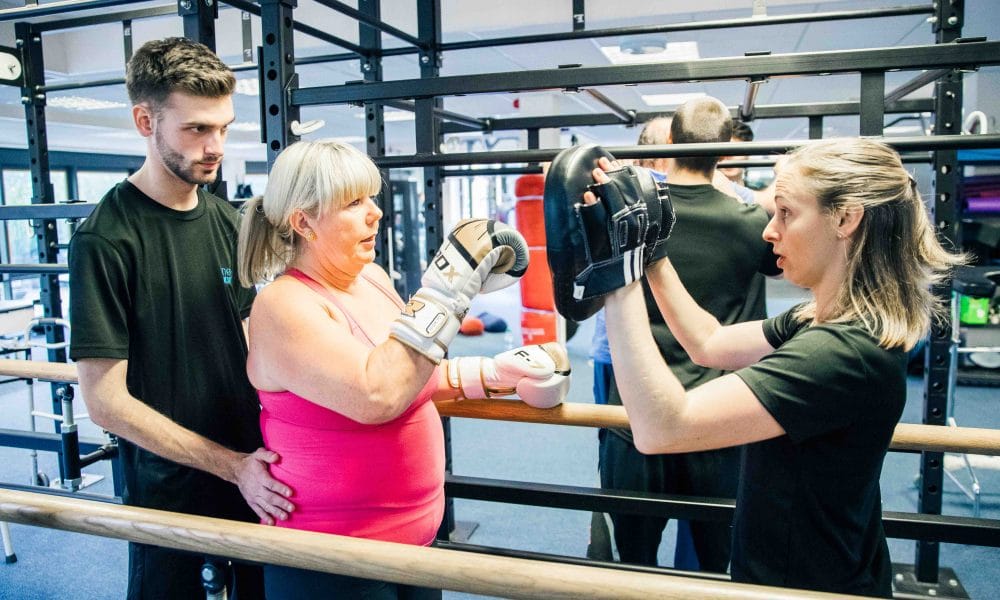
Established using best practice in spinal cord injury therapy from around the world, the rehabilitation offered by Neurokinex is helping to redefine the possibilities for people living with paralysis. NR Times learns more about its neuroscience-inspired work
“We want to help change people’s outlook on life.” Jane Symonds’ summary of the work of Neurokinex, and its approach to redefining possibilities for people living with paralysis, is a powerful one. For aside from the work the rehab provider does with patients physically, using techniques to stimulate the whole body rather than only the functional areas, the impact its neuroscience-inspired approach has mentally is possibly even greater.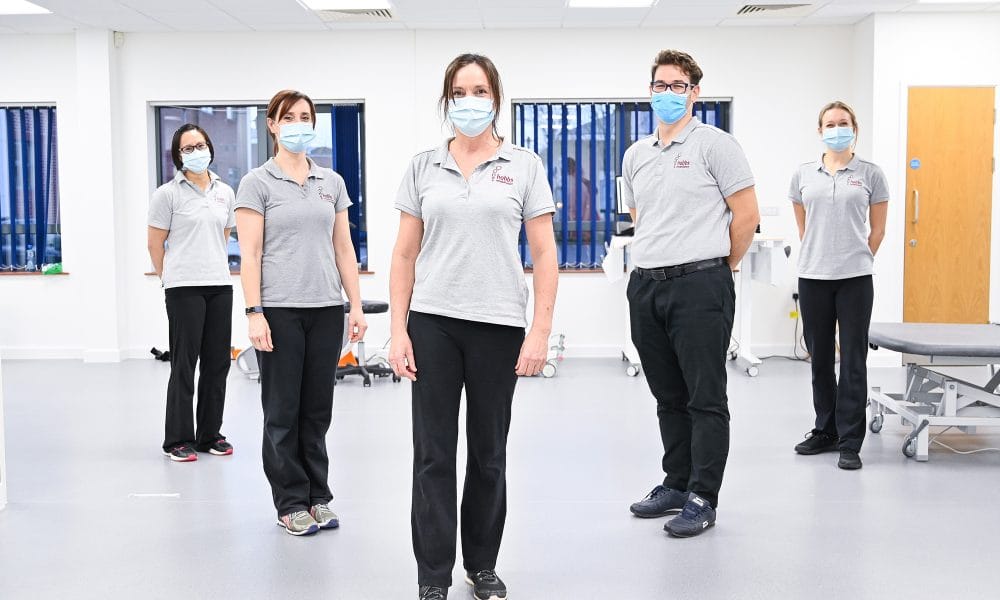
A rehabilitation specialist is expanding its offering through the opening of the first intensive neurotherapy centre in the south of England.
Hobbs Rehabilitation has invested £500,000 in its new Intensive Neurotherapy Centre in Bristol, which has given 2,000sq ft of space to more than double its level of technology available at its previous Bristol clinic. It also gives the potential to deliver a six-fold increase in the intensity of treatment, all backed by data to chart patient progress and outcomes.
Early intervention neurophysiotherapy can be vital in maximising outcomes for patients after stroke, new research has found.
Following ischaemic stroke, researchers found that the capacity of the human brain to recover and rewire itself peaks after around two weeks. And it is during those crucial early stages, when the brain has a greater capacity to modify its neural connections and its plasticity is increased, when neurophysiotherapy can deliver optimum impact. “It is during this early period after stroke that any physiotherapy is going to be most effective because the brain is more responsive to treatment,” says Dr Brenton Hordacre, lead author of a study conducted in London and Australia.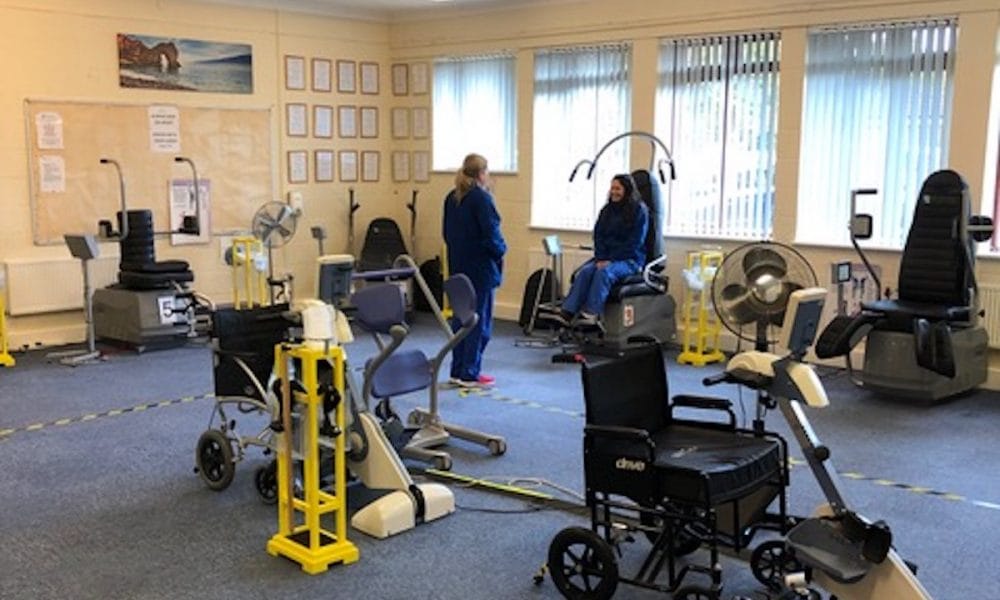
A community therapy centre which enables neuro patients access to the physio-led exercise which can support their recovery continues to expand in response to demand for its services.
West Berkshire Therapy Centre was opened in 2014 to bridge the gap in existing community resources, and initially opened for 20 hours a week with ten items of equipment. Since that time, the Thatcham centre has expanded into premises twice the size of its initial home, and now has 17 items of equipment which clients can access 35 hours each week.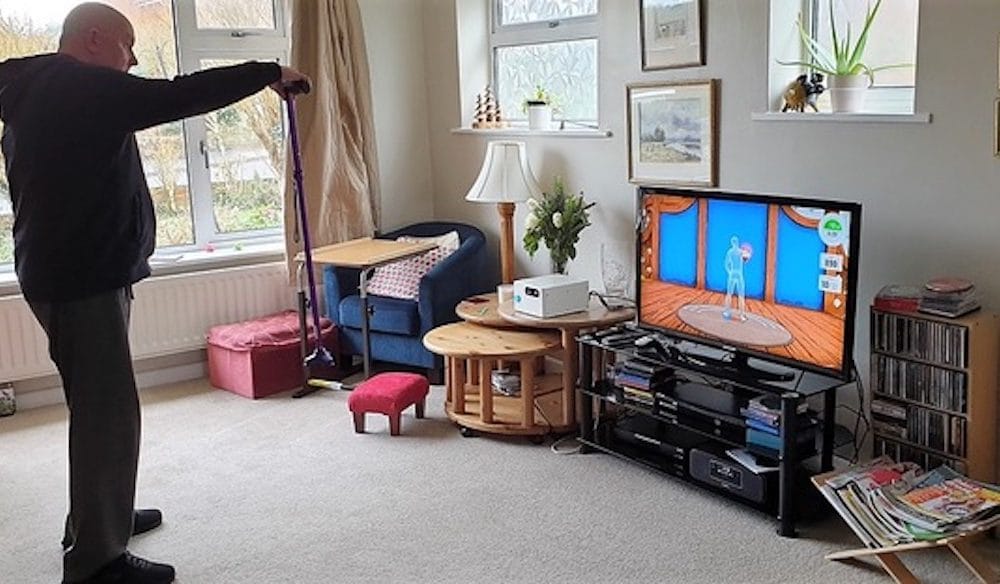
Neurophysio patients are receiving personalised virtual rehabilitation through the adoption of new technology.
Hobbs Rehabilitation is supporting chronic stroke patients by enabling them to use the EvolvRehab platform for at-home therapy, with exergames playing a central role in the rehab approach. The use of EvolvRehab will be subject to a year-long study - funded by the Seedcorn funding program of the NIHR Brain Injury MedTech Co-operative (MIC) based in Cambridge, with researchers from the University of Winchester - to measure the level of effectiveness, as well as acceptance by patients. Initial feedback from the first two stroke survivors to begin using the newly-launched Evolv RehabKit has been described as “extremely positive” with three-month programmes involving the use of prescribed exergames designed around their individual needs.
From being a London-based community group, LEGS has now taken that sense of community onto a national scale by moving its neurophysio exercise sessions online. NR Times finds out about its expansion.
Having gone into the pandemic as a small community exercise group for people with neurological conditions, LEGS has now become an online rehab resource for people throughout the UK. Initially holding sessions in a studio in Westminster, enabling people from the surrounding area to access its specialist physio-led supported exercise and social opportunities, its rapid transition to taking sessions online has seen the LEGS operation having to grow in tandem.
A global community of therapists has been created to share best practice and knowledge, while enabling new and creative ways of thinking, working and support for clients to be developed using research, insight and experience from around the world.
Remote Rehab was established during the COVID-19 lockdown, during the unexpected and widespread introduction of telerehab when many in-person visits to clients were no longer possible. The online group was set up as a forum for therapists, experts and researchers around the world to connect, creating an opportunity to share information and knowledge, as well as providing much-needed support to fellow professionals.
Having been an early adopter of telerehab, PhysioFunction was perhaps less daunted than most at the prospect of responding to the COVID-19 lockdown and ensuring their clients’ needs were met.
The specialist neuro physiotherapy practice has, for the past year, used video calls to enable its clients to receive one-to-one sessions in addition to those provided in person, with its staff supporting them to install and use the technology remotely.
It is also an early adopter of the MindMotion GO, a first-of-its-kind mobile neurorehabilitation therapy system which uses gaming to support the recovery of brain injury and neuro patients.


