



Neurophysiotherapy
Physiotherapy for neurological conditions.
 Neurophysiotherapy19 Apr
Rocky Addison, neuro-rehab trainer at Neurokinex, discusses how rehab frequency and consistency enhance functional motor improvements
 Tech & industry12 Nov
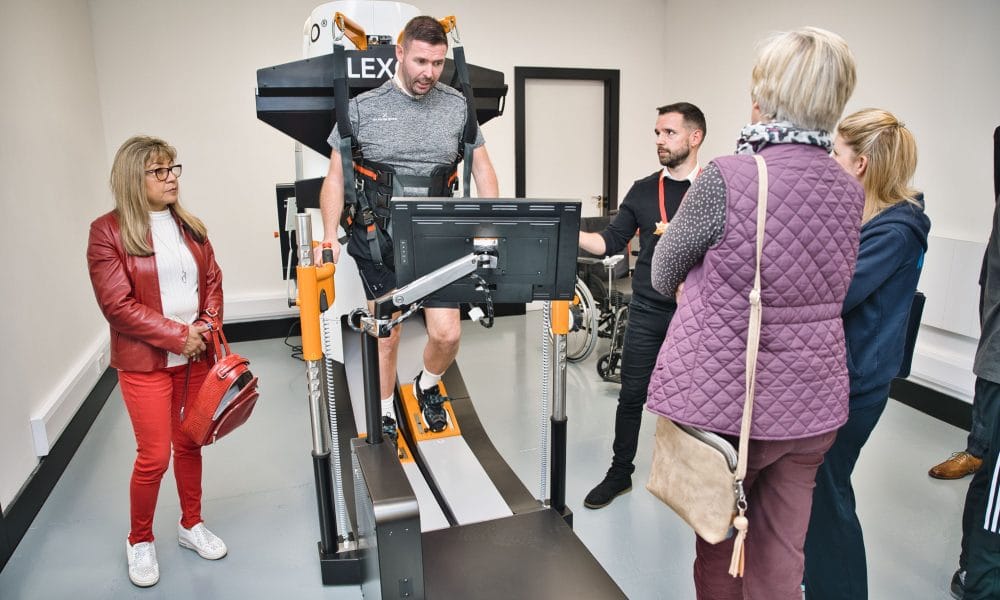
A new technology-led neurorehabilitation centre has opened to offer high-intensity programmes of physiotherapy, advancing the recovery of people with neurological injury or illness from across the UK.
 Neurophysiotherapy20 Oct
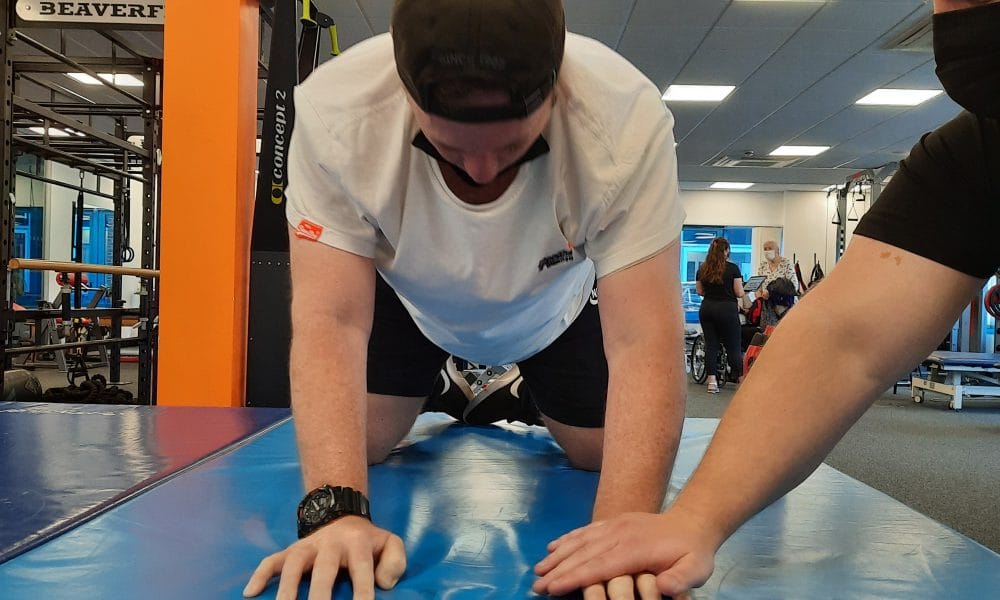
Following a spinal cord injury, many people look for a sport to play in order to be a part of a team, achieve specific goals and to improve their health. But how does activity-based rehabilitation facilitate the transition into para-sport?
 Neurophysiotherapy17 Sep
How many times have you laughed at someone skidding, tripping, losing their balance or falling flat on their face?
 Long COVID1 Sep
A community gym is playing a crucial role in supporting patients with Long COVID through a pioneering study into how power-assisted exercise can help in their rehabilitation.
 Case management17 Aug
Neuro-physio provider Neurocare Physiotherapy, based north west England, is now part of complex case management and rehabilitation specialist A Chance for Life Ltd. For almost two decades, Neurocare Physiotherapy has treated patients across the North West for neurological conditions such as stroke, MS, Parkinson’s, foot drop, head injury and other disorders.
 Stroke6 Aug
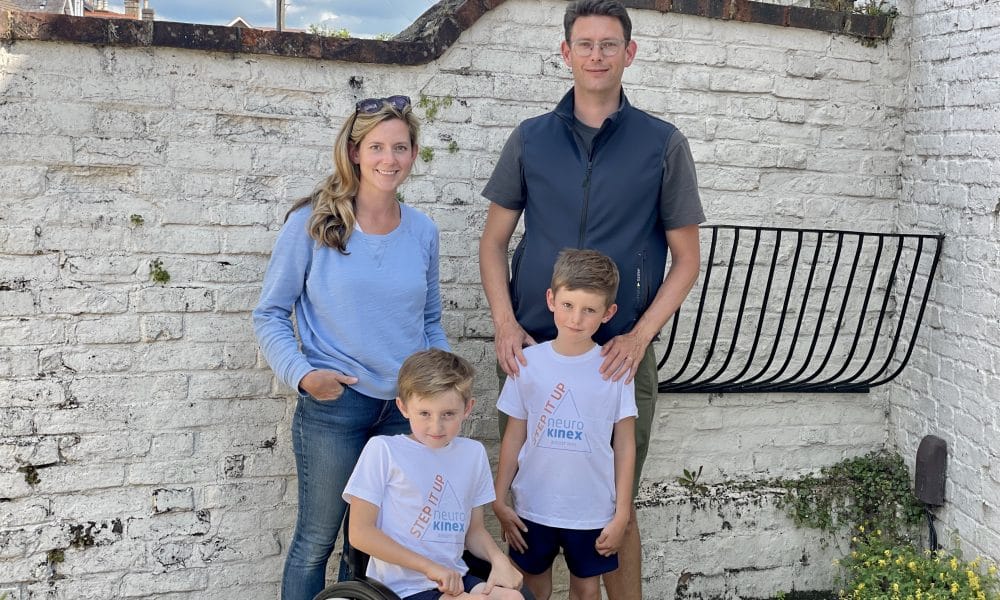
An eight-year-old boy has rallied his family to join him on a 330-mile charity challenge to safeguard a life-changing spinal cord injury rehabilitation programme which has supported him.
Jasper Thornton-Jones was paralysed aged two after a spinal stroke. Key to his rehabilitation therapy since then has been the Neurokinex Charitable Trust, based near Gatwick. Jasper was the first paediatric client at Neurokinex when he started there in September 2016 on its Step Up Scheme. The initiative has proved life-changing for many patients, and offers a set of six free rehab sessions for adults and children with a new spinal cord injury. The scheme costs the Neurokinex Charitable Trust £420 per person to fulfil and relies on funding for its survival. Therapy14 Jul
What impact can the NeuroBall™ have on rehabilitation? Claire Everett, neurophysiotherapist at PhysioFunction, shares her insights into its benefits
What are the main benefits of NeuroBall™:- For your clients/patients?
- For your clinic?
 Neurophysiotherapy29 Jun
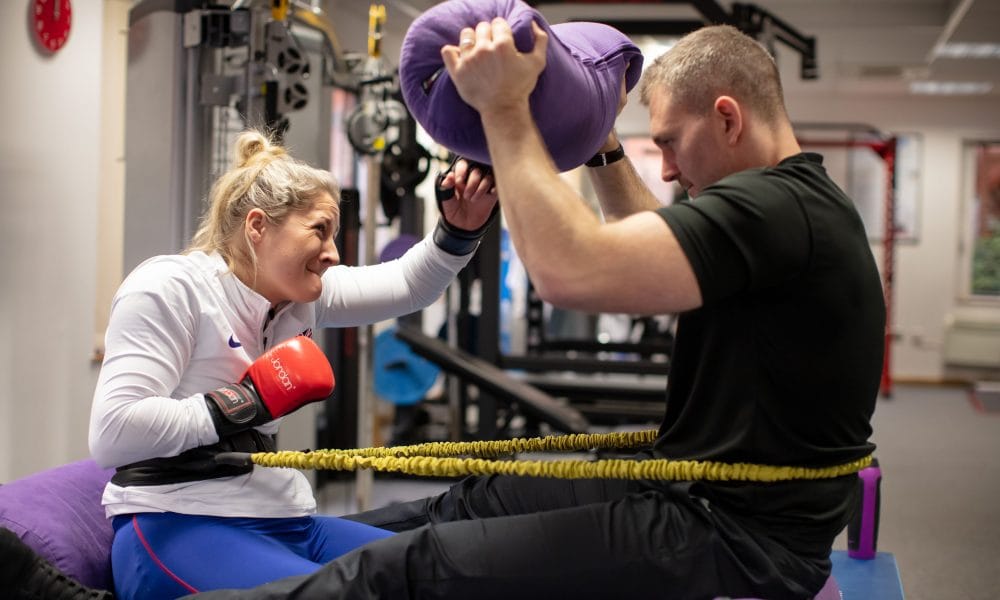
Strength and conditioning is a field of exercise science specialising in the optimisation of human performance.
Along with other closely related disciplines - such as physiotherapy, biomechanics and physiology - strength and conditioning is an established support service in sport but rarely applied within neurorehabilitation, despite holding evident value. Within sports, a strength and conditioning specialist works collaboratively with a multidisciplinary team that has been collectively tasked with optimising the physical resilience, development and performance of athletes. An integral part of their specific role within such a team is to maximise the technical training opportunities of athletes by ensuring they can withstand the unique physical demands placed upon them by their respective sport, training environment and competition format. This role is fulfilled by methodically appraising and addressing the physical abilities and limitations of athletes in alignment with specific outcomes associated with sporting success. In doing so, distinct movement patterns (eg running), physiological systems (eg cardiovascular) and architectural properties of muscles (eg cross sectional area), can be effectively and repeatedly targeted for adaptation and maintenance as required.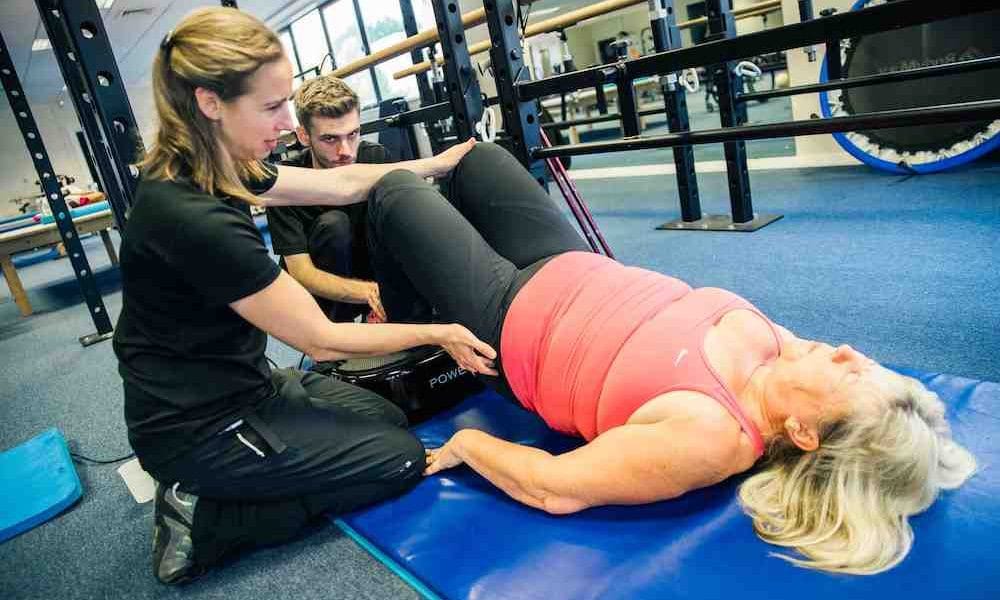 Neurophysiotherapy17 May
Defining when rehabilitation should start seems straightforward.
As soon as an individual is medically stable, evidence shows that it is beneficial for rehabilitation to begin. Starting at this earliest opportunity helps to minimise the effects of deconditioning and inactivity and reduce the risk of pressure sores and contractures. Defining the length of rehabilitation, however, and when it should ‘end’ is more tricky and continues to be subject to debate.


