



Clinicians & therapists
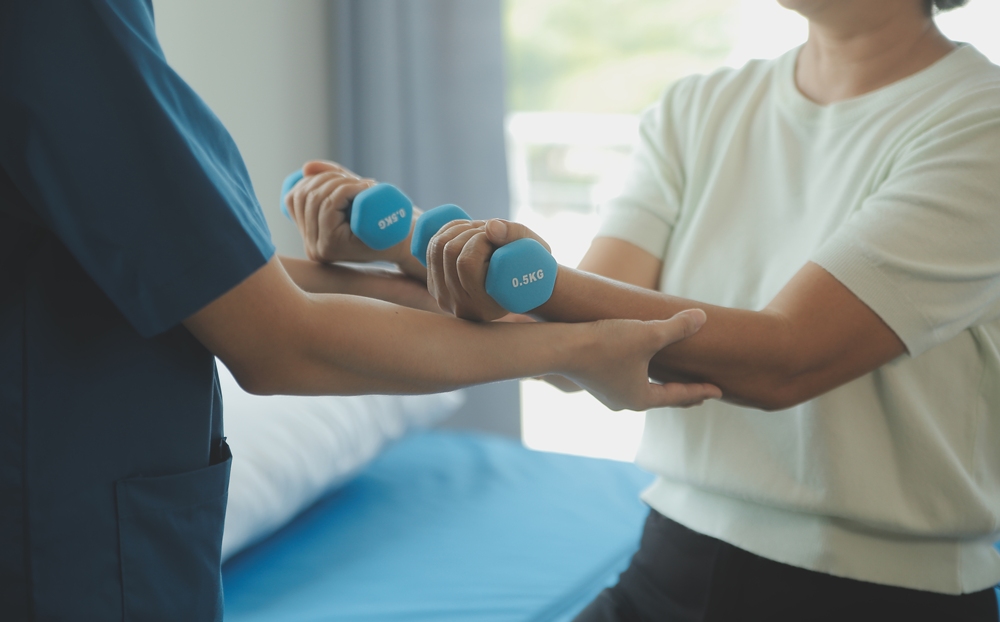
By Rowan Morgan-Ruffley, RMR Rehabilitation Ltd In our previous article, we explored why RMR Rehabilitation developed a Medical-Legal Personal Trainer Framework and why greater clarity, governance and accountability are needed when Personal Trainers work within complex rehabilitation pathways. At the heart of RMR Rehabilitation, we are Personal Trainers. We believe appropriately qualified and experienced Personal [...]
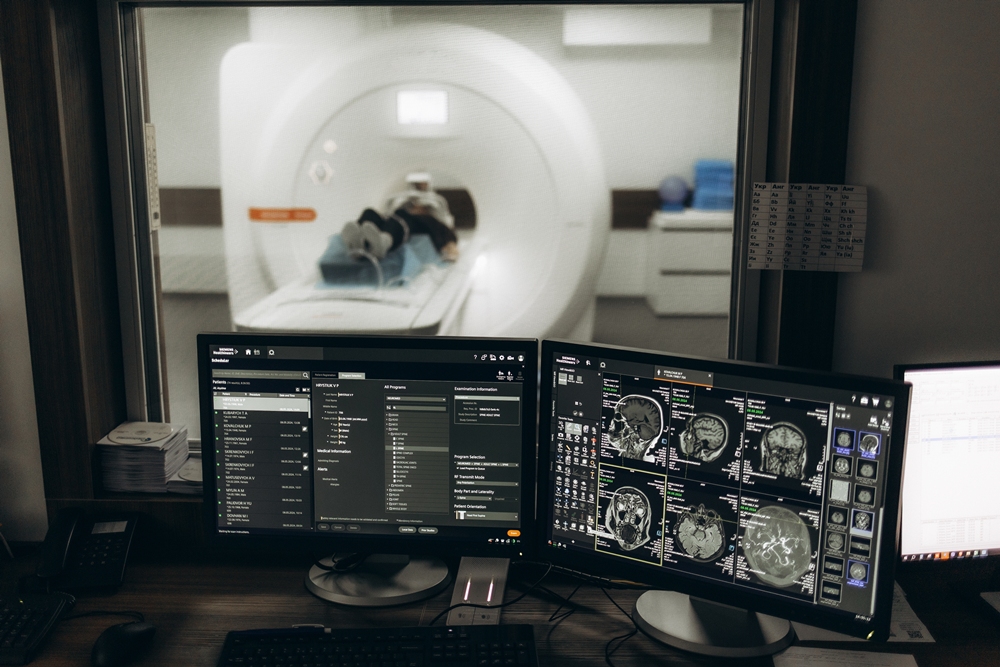
A new MRI test for MS has cut diagnosis times and allowed patients to avoid lumbar punctures, researchers report. The scan adds around six minutes to a standard MRI and looks for a feature known as the central vein sign. During a rollout of the test, the average time to diagnosis fell from 5.6 months [...]
Dentists, GPs and other healthcare professionals are being offered training to help them recognise potential early signs of motor neurone disease (MND). The RACE to Diagnose programme will provide guidance to professionals who may encounter patients showing early signs of the illness. MND can be difficult to diagnose in its early stages, and it is [...]
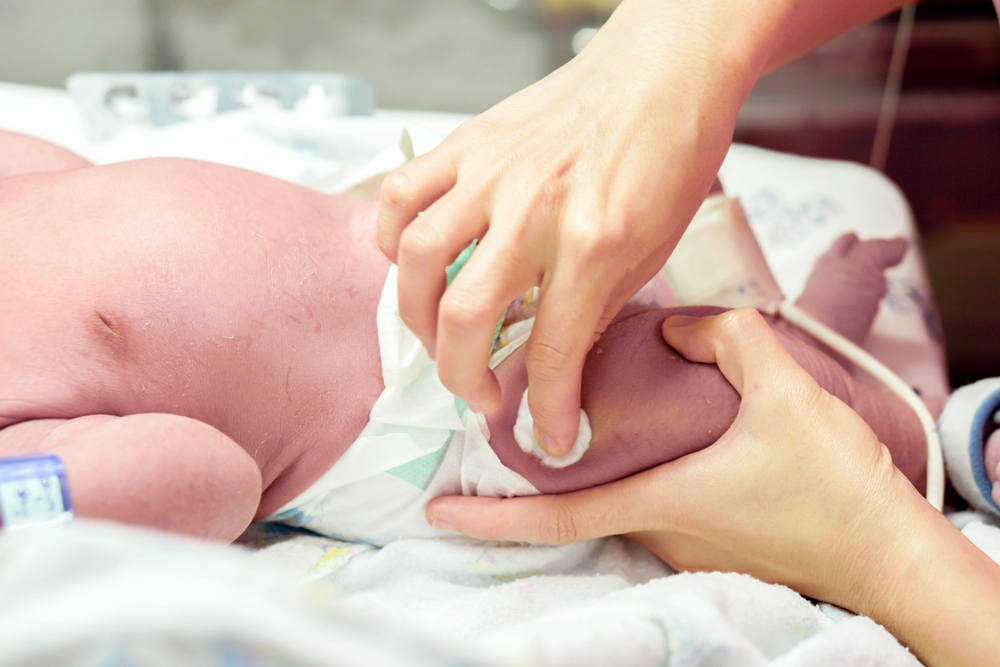
Great Western Hospitals has reported a fall in newborn brain injury cases following a long-running quality improvement project. The initiative aimed to reduce admissions of full-term babies with suspected hypoxic ischaemic encephalopathy, or HIE, while improving care for those needing further assessment and treatment. In 2018, the neonatal unit recorded almost 40 admissions [...]
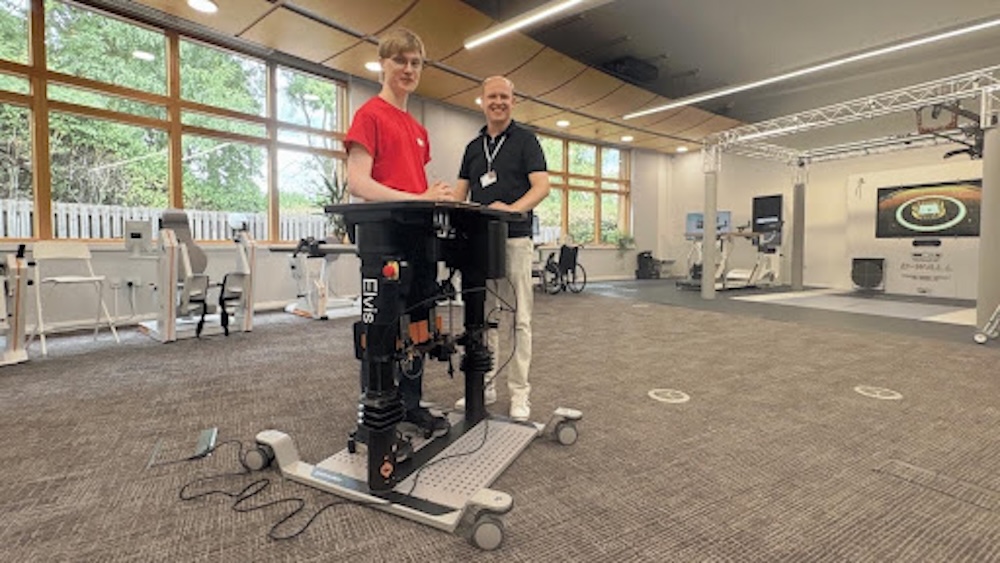
A new standing and balance system that allows people to move, reach and take part in interactive therapy while safely supported on their feet has arrived in the UK. Resilience Neuro Specialists is the first UK rehabilitation provider to introduce Elvis, the latest neurorehabilitation technology developed by Tyromotion. Now available at the Resilience Therapy Centre [...]
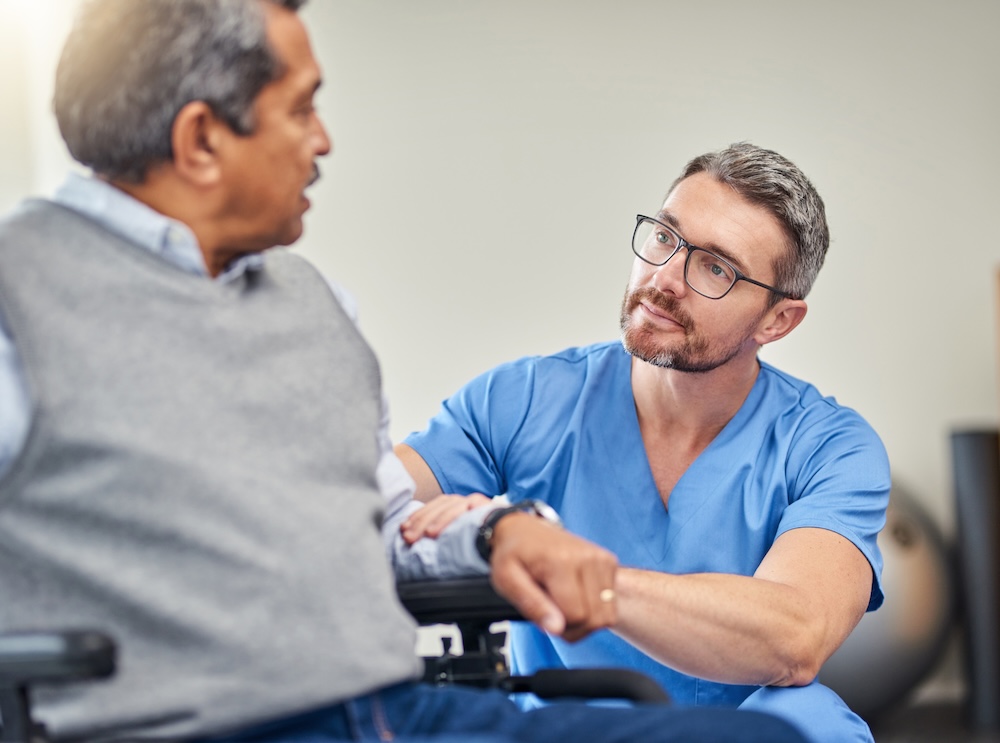
A brain injury charity has made an urgent £44,000 funding plea to keep its counselling and speech and language therapy services running. Headway North Staffordshire, based in Cobridge, has been operating since 1985, but its speech therapy and counselling services are under threat due to a lack of funds. Graham Maddox, who was supported by [...]
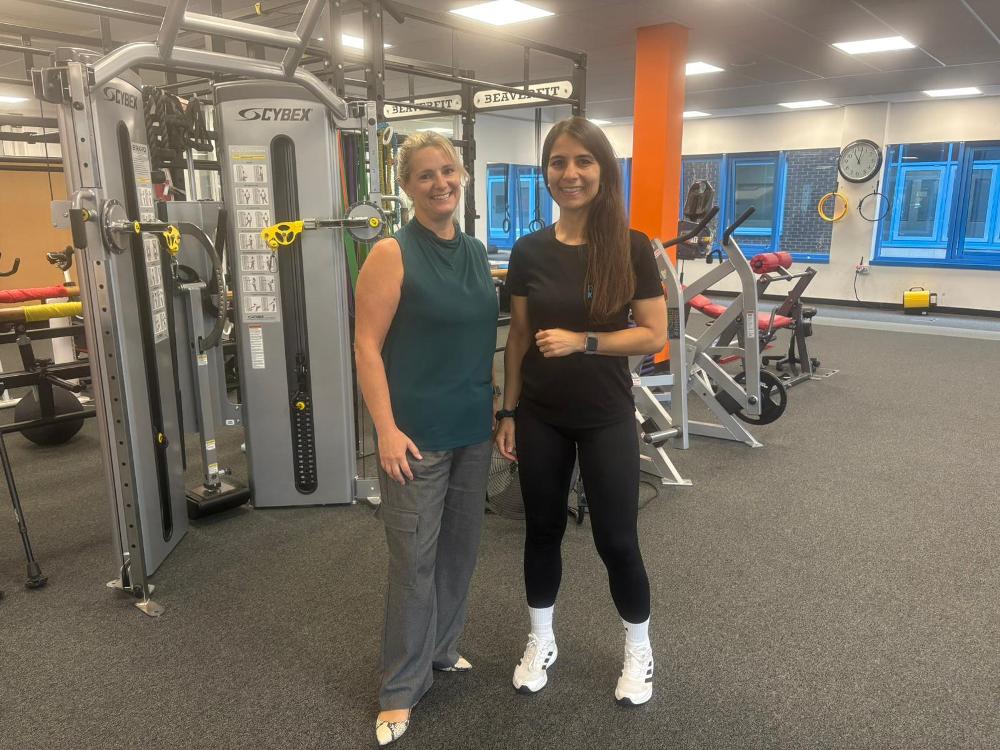
Jo Godfrey from Oxford is about to embark on an epic 200-mile solo walk to raise funds for a spinal cord injury community close to her heart. In an extraordinary display of friendship, solidarity and paying it forward, Jo will walk from Bristol to Hemel Hempstead and on to Gatwick, linking up the three Neurokinex [...]
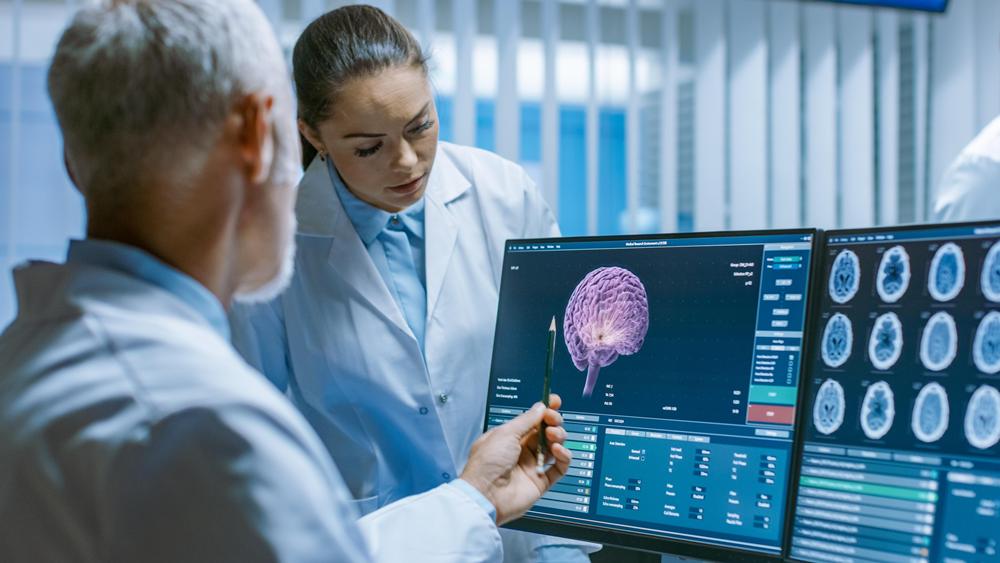
Deep brain stimulation may improve speech and swallowing control after traumatic brain injury, early research suggests. A proof-of-concept study found that low-frequency electrical stimulation of the motor thalamus improved control of facial and tongue muscles used in speaking and swallowing. The motor thalamus is a deep brain region connected to the motor cortex. Researchers suggest [...]
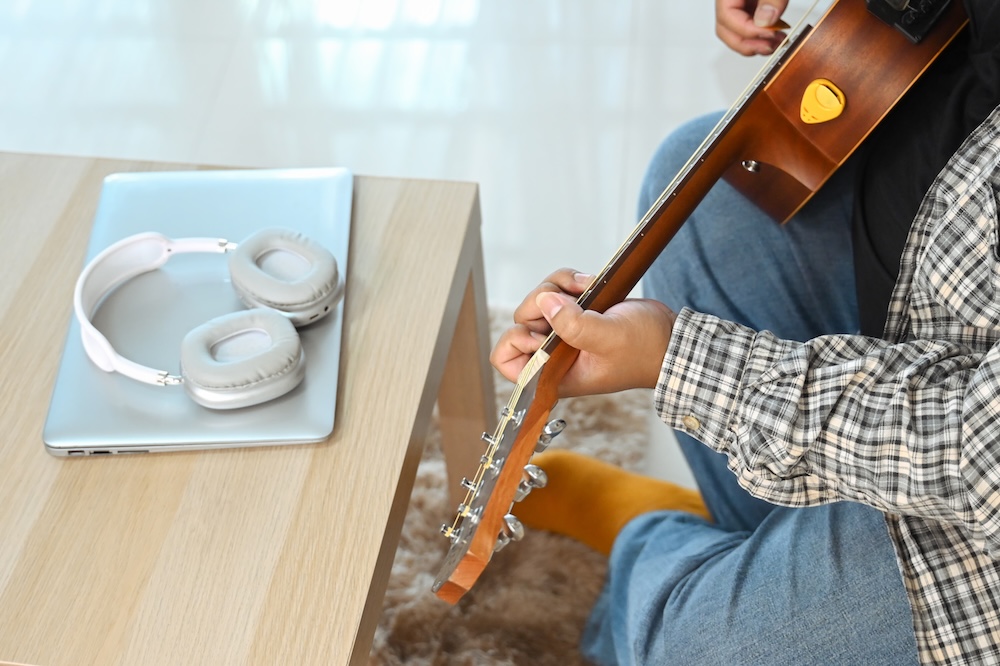
By Chiltern Music Therapy Neurologic Music Therapy is an evidence-based clinical treatment system of 20 techniques that use music to support the development of, rehabilitation of, or maintenance of speech and language, cognition, motor skills, and psychosocial function. NMT-trained therapists work with patients in neurorehabilitation across a range of settings, but may also work with [...]

Brain state may help predict how people with epilepsy respond to electrical stimulation, a study suggests. Researchers found that the same electrical stimulation could have markedly different effects depending on patterns of brain activity immediately beforehand. The results suggest that timing treatment according to a patient's current brain activity could make neuromodulation more consistent. Neuromodulation [...]


