A US clinical trial has begun testing a once-daily pill for Parkinson’s tremor, including in patients whose symptoms persist despite standard medication.
The phase 2 Vista PD trial is assessing the safety and effectiveness of VIM0423, an experimental oral treatment developed by Vima Therapeutics.
The study is recruiting adults aged 18 to 65 across four US states, with the first participant already dosed. Initial results are expected in the second half of 2027.

Researchers aim to enrol approximately 80 people, with additional trial sites expected to open across the US and one in Canada.
Parkinson’s is a progressive neurological condition that damages nerve cells, causing symptoms including tremor, or involuntary shaking of the hands, arms, legs and other parts of the body.
Tremor can interfere with everyday activities and remains difficult to control in some patients.
Standard Parkinson’s medications work by increasing dopamine, a chemical messenger involved in controlling voluntary movement. However, approximately one-third of patients do not achieve adequate tremor control with these treatments.
Bernard Ravina, founder and chief executive of Vima Therapeutics, said: “While there are many therapies approved for Parkinson’s disease, there are no approved therapies to specifically treat tremor.”
VIM0423 targets muscarinic cholinergic receptors in the brain, which regulate signals involved in movement control.
Treatments targeting these receptors have previously been used to manage movement symptoms, but side effects have limited their use.
Vima says its drug is designed to target specific receptors, with the aim of improving symptom control while reducing unwanted effects.
The Vista PD trial will compare VIM0423 with a placebo, a treatment containing no active medication.
Participants will be randomly assigned to receive either the experimental drug or placebo once daily for seven weeks.
The study will include two groups of patients with idiopathic Parkinson’s disease, meaning the cause of their condition is unknown.
One group will comprise people whose tremor persists despite treatment with levodopa or dopamine agonists, while the other will include patients who have never taken dopaminergic medication.
Each participant will be involved in the trial for up to 12 weeks, including six in-person visits.
During the study, participants will wear a monitoring device and assess their tremor symptoms and their impact on daily activities.
The main objective is to measure changes in motor and non-motor symptoms over six weeks using the Movement Disorder Society Unified Parkinson’s Disease Rating Scale.
Researchers will also monitor side effects and examine the drug’s pharmacokinetics, which describes how a medicine moves into, through and out of the body.
Vima Therapeutics has received funding from The Michael J. Fox Foundation for Parkinson’s Research through its Therapeutics Pipeline Programme.
The programme supports experimental Parkinson’s treatments and the collection of evidence needed for further clinical testing.
Catherine Kopil, senior vice president and head of clinical research at the foundation, said the studies would provide evidence about VIM0423’s dosing and tolerability to guide its development.
She also described tremor as a particularly troublesome symptom for people with Parkinson’s, especially in the earlier stages of the condition.
VIM0423 is being investigated separately in another phase 2 trial for isolated dystonia, a movement disorder involving involuntary muscle contractions that cause abnormal postures or repetitive movements.
The US Food and Drug Administration has granted the drug fast-track designation for isolated dystonia, intended to accelerate its development and regulatory review for that condition.
With initial Vista PD results expected in the second half of 2027, the trial will provide evidence on whether VIM0423 could offer another treatment option for people whose Parkinson’s tremor remains inadequately controlled.
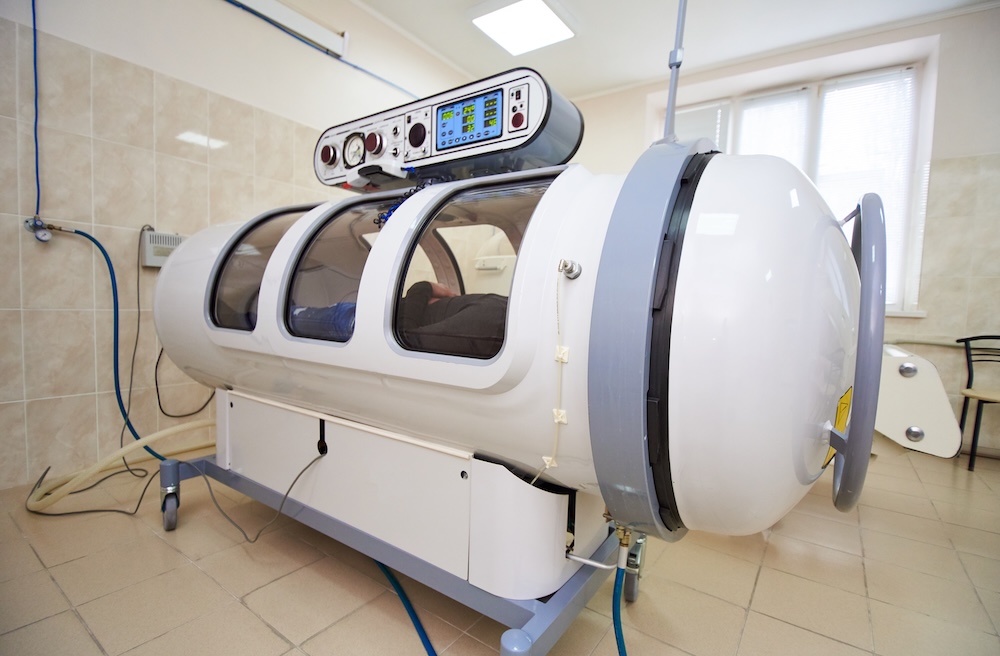 Study to explore whether hyperbaric oxygen therapy can help veterans with hidden brain injuries