



Clinicians & therapists
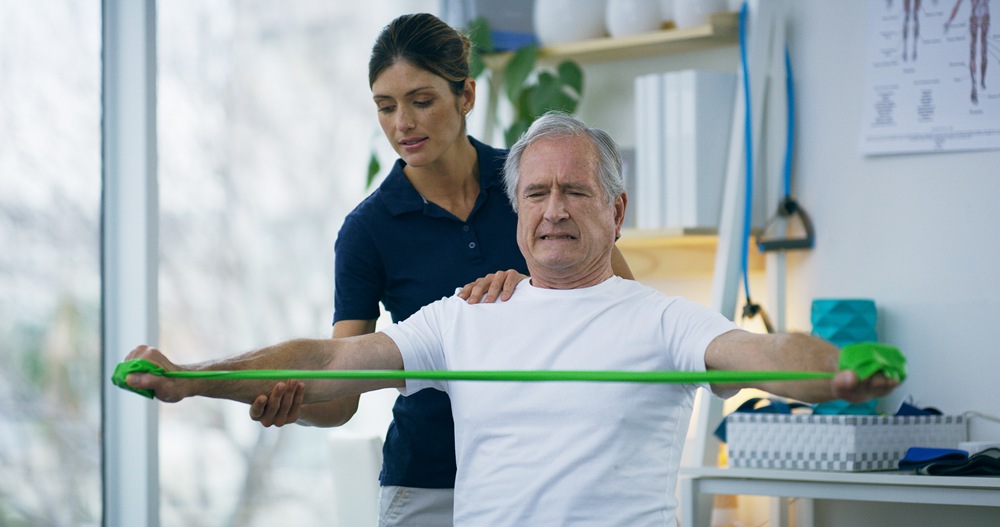
Exercise may help slow Parkinson's progression through biological signals released by muscles, according to new research. The review suggests exercise does more than improve strength, balance and mobility. It also triggers the release of molecules known as exerkines, which travel through the bloodstream and may reduce inflammation, protect nerve cells and support brain function. The [...]
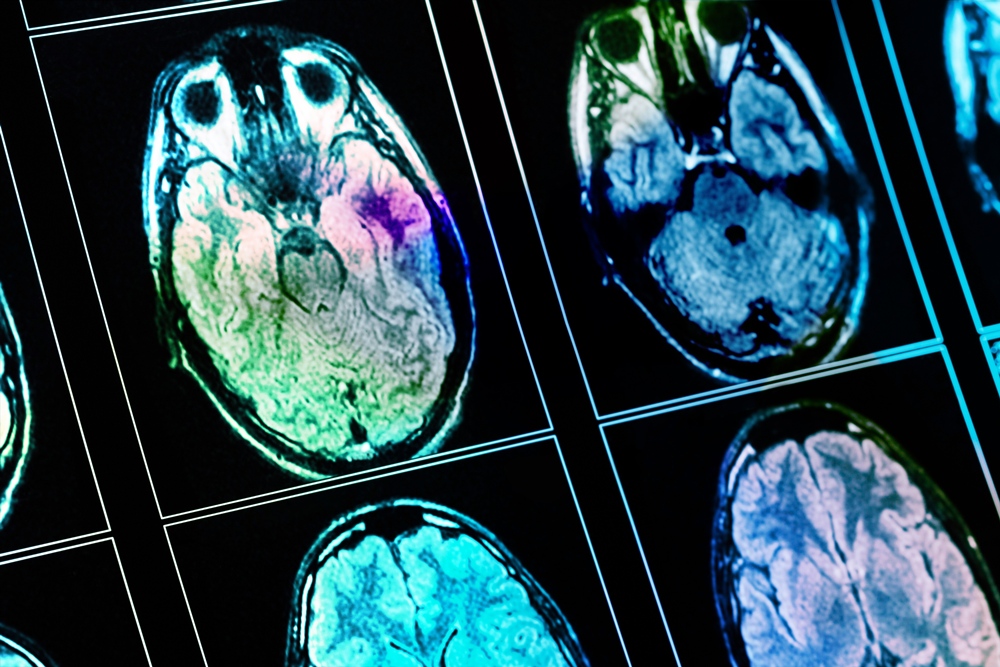
A new imaging technique could help track Huntington's disease by detecting microscopic changes in brain tissue that conventional scans may miss. Researchers found the approach could identify abnormalities in brain regions affected by the inherited neurological condition. The findings could eventually help monitor disease progression and assess experimental treatments, although larger and longer-term studies are [...]
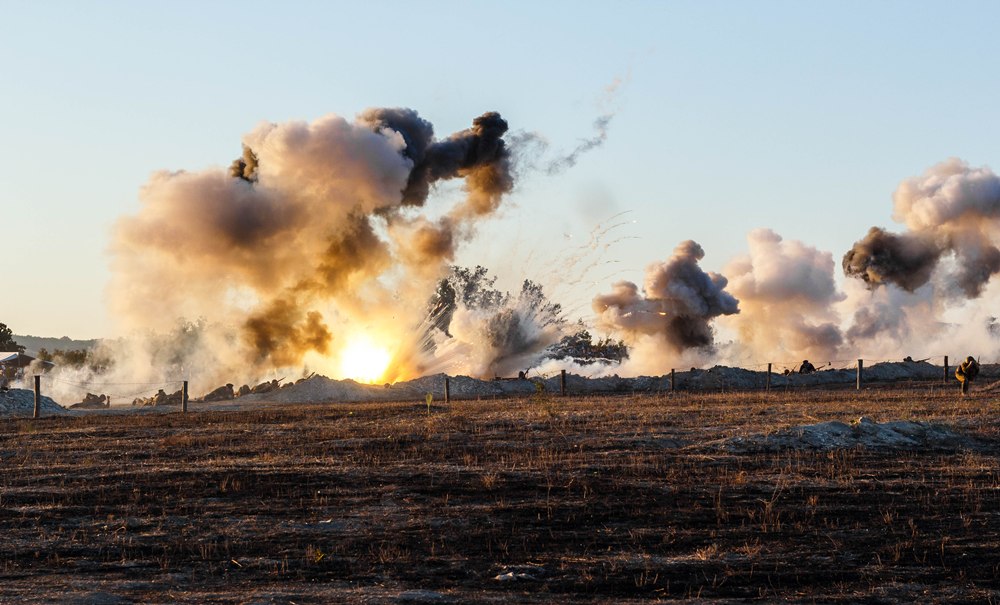
Veterans in roles with repeated blast exposure were significantly more likely to have anger, aggression and violence recorded than those in lower-risk roles in a recent study. The findings add to evidence that repeated military occupational blast exposure (MOBE) may have lasting neurological and behavioural effects. The link remained independent of combat exposure, traumatic brain [...]
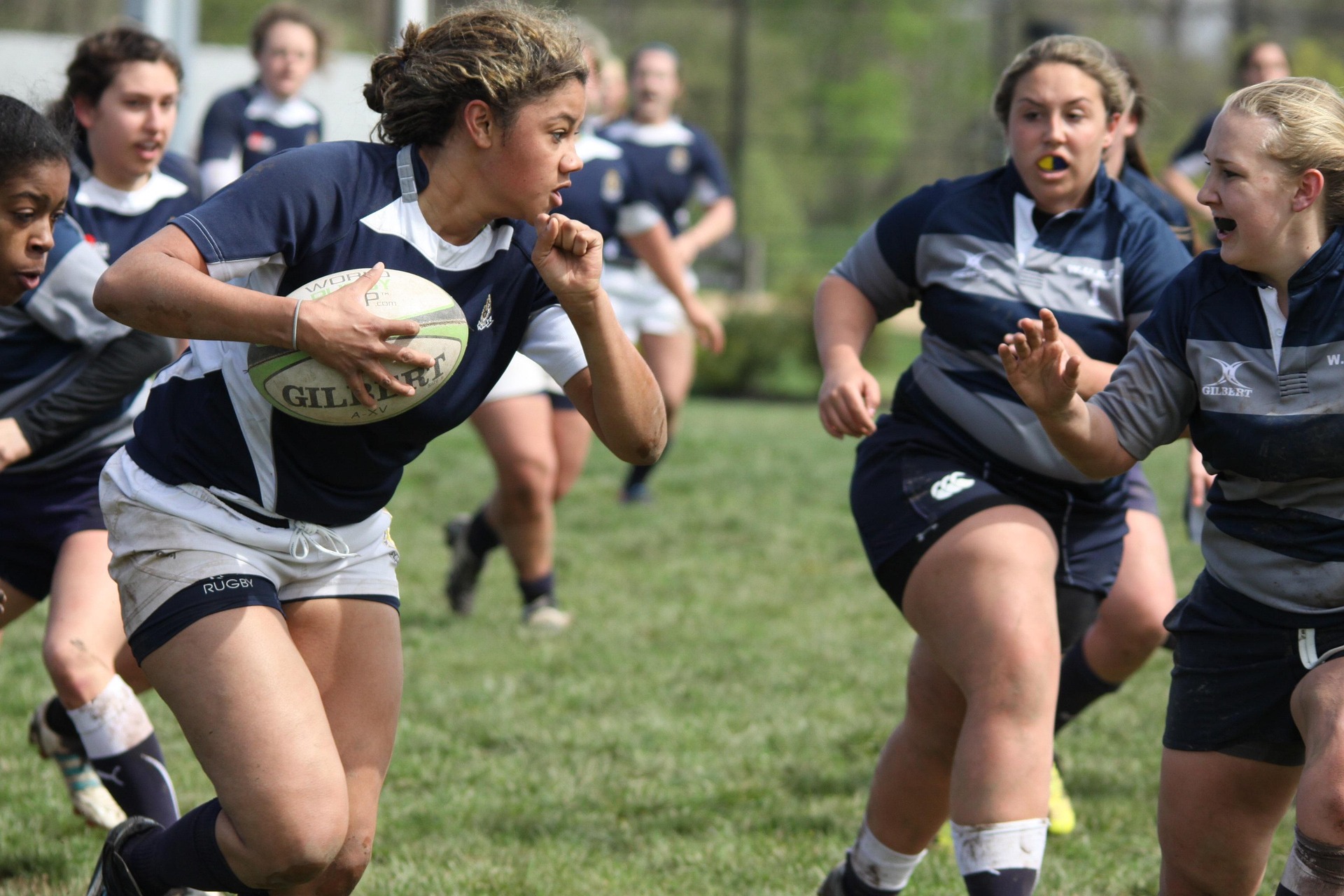
Former Wales internationals have backed a new study into how repeated head impacts affect women’s rugby players. Cardiff University’s medical engineering team aims to create the first head impact assessment protocol designed specifically for female athletes. The study followed 30 players from the university’s women’s rugby team using specialised mouthguards, cognitive tests and MRI scans. [...]

By Ronda Boswell, neuro occupational therapist, Cognivate Rehab The way we perceive and process the world around us is fundamental to how we navigate our lives. Our sensory experiences - the sound of a busy office, the brightness of the sky or the feel of a familiar tool in our hands - form the backdrop [...]
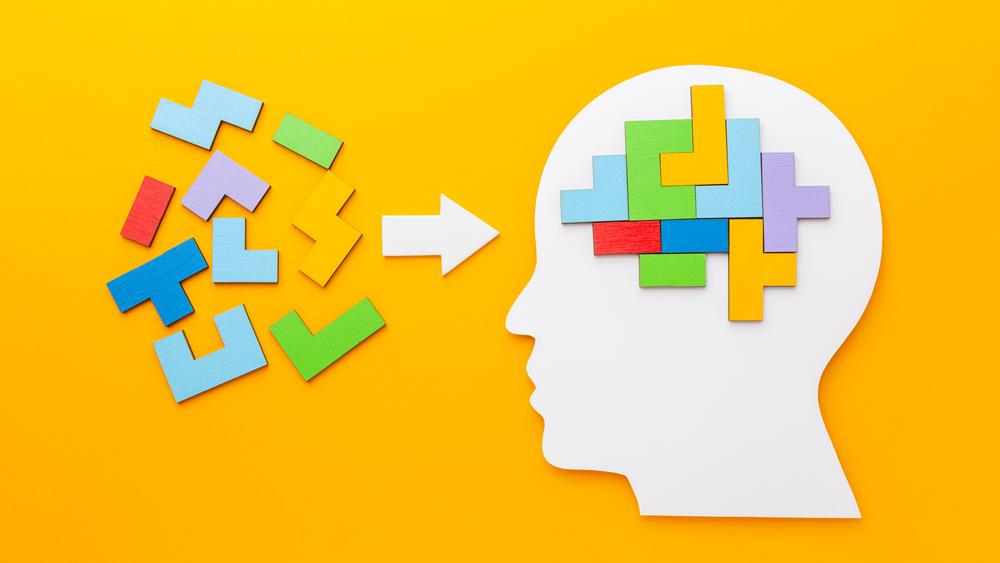
By Henk Swanepoel, Cygnet Health Care neuropsychology lead When people think about rehabilitation following a brain injury or neurological condition, they often picture physiotherapy, occupational therapy or speech and language therapy. While these disciplines are essential, psychological support is just as important. Recovery is not only about regaining physical function; it is also about rebuilding [...]
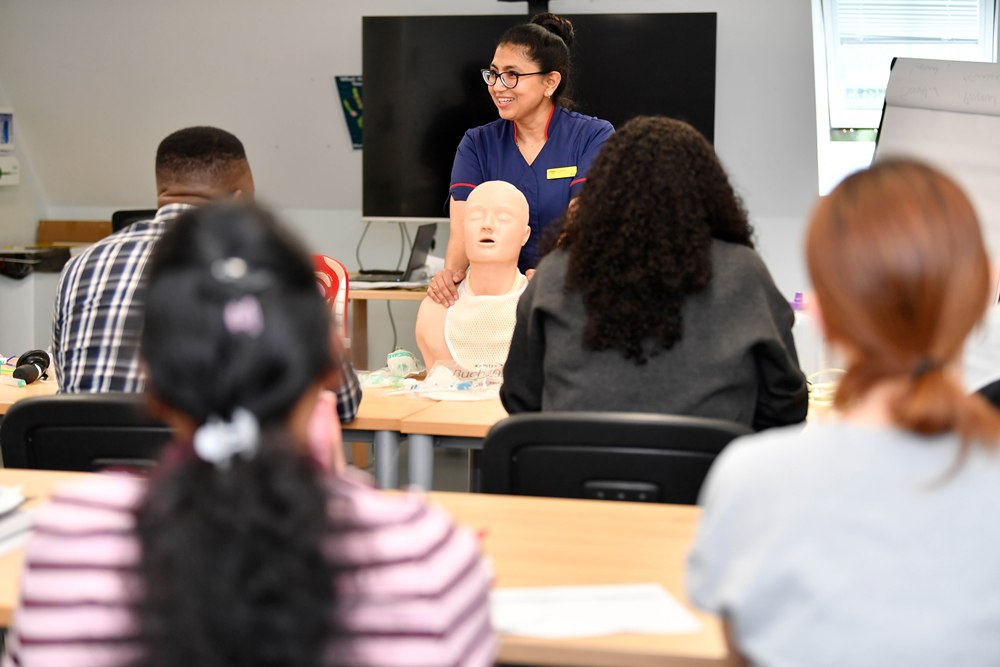
By Shila Rundla, senior nurse trainer, Fairlie Healthcare Tracheostomy care can easily be viewed as a sequence of technical tasks - suctioning, stoma care, cuff pressure monitoring, tube management and emergency preparedness. When routines take over, the individual behind the tracheostomy can be overlooked. The challenge for specialist clinicians is to see beyond the task [...]
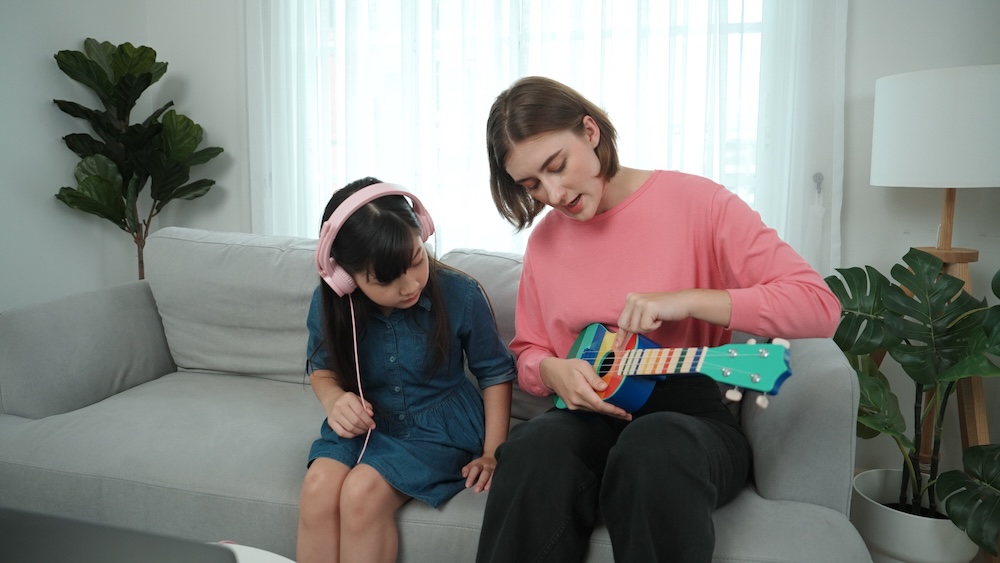
Music therapy with speech and language therapy may support communication in young children recovering from acquired brain injuries, new research suggests. The study examined how children aged two to six responded to joint therapy sessions delivered during inpatient neurorehabilitation. Researchers identified three ways the combined approach supported communication development. Familiar songs encouraged [...]
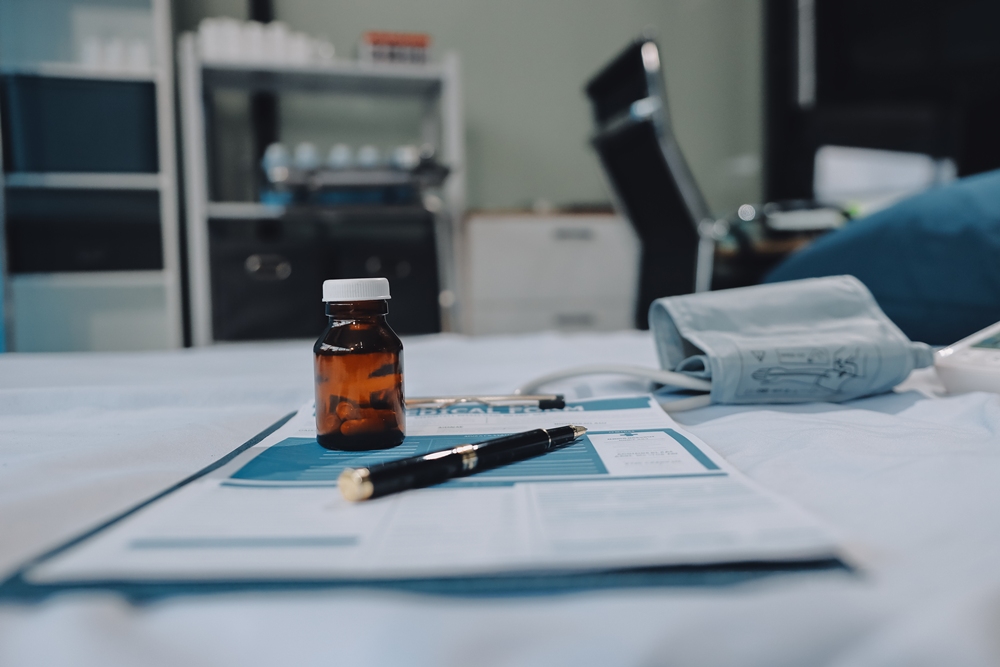
Too many Parkinson's patients and others are missing life-saving medication or getting it late in overcrowded A&Es, the Royal College of Emergency Medicine (RCEM) has warned. The RCEM shared findings on 3 June from its latest Quality Improvement Programme report. RCEM’s Quality Improvement Programmes aim to drive improvements in specific areas of practice within A&E [...]
A charity which supports hundreds of children with disabilities across the North East has extended its partnership with one of its longstanding supporters. Heel & Toe has worked with families across the region since 2008, delivering a range of therapies – including hydrotherapy and hippotherapy, which are unique offerings in the North East – to [...]


