



Clinicians & therapists
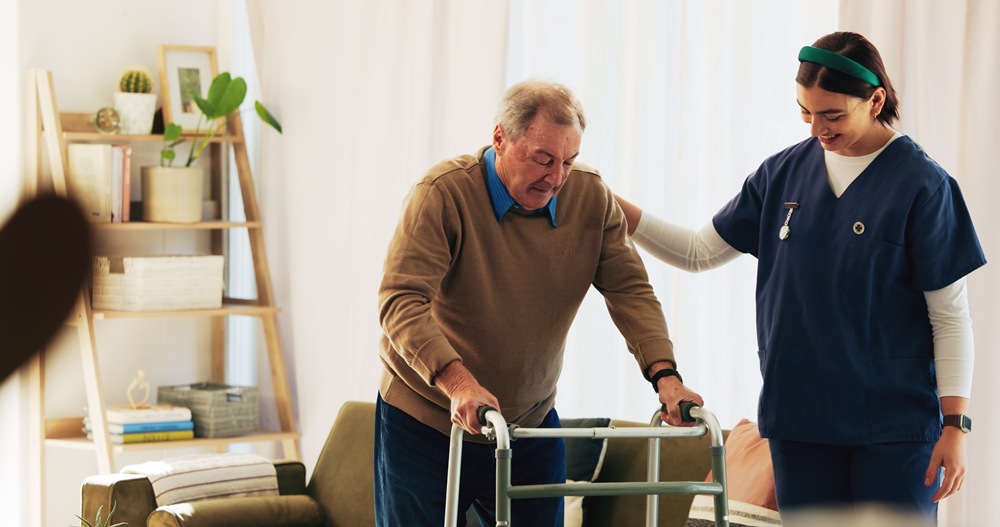
By Laura Gregory, clinical director, Traumaticus From your experience, what are the most common challenges clients face when rehabilitation services pause during seasonal breaks? Their mood may reduce further because they don't feel able to engage in the festivities or they don't want to take part because of what they are going through and there [...]
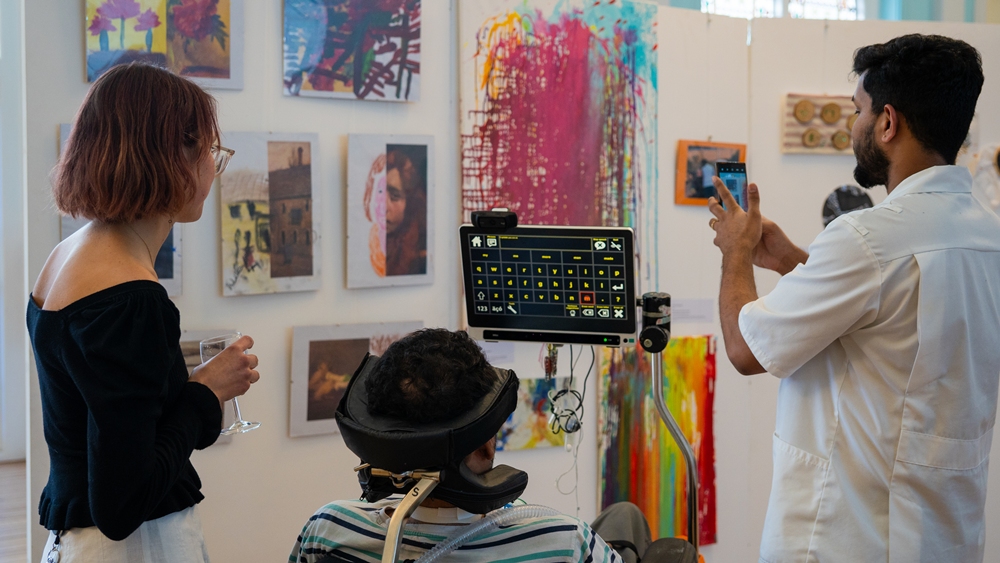
By the Royal Hospital for Neuro-disability Among the many milestones achieved at the Royal Hospital for Neuro-disability (RHN), one that truly stands out is our Emerge! Art Exhibition. In 2012, the RHN received funding to renovate its Art Room, a vibrant, much-loved creative space used by patients, residents, families and staff. Managed by Art Technicians Sian Cook [...]

Sensory brain regions may drive speech relearning more than motor regions, with new research linking them to memory for newly learned speech movements. The findings challenge the assumption that speech motor learning and the memory of newly learned speech movements are primarily driven by motor regions of the brain. The study, published in [...]
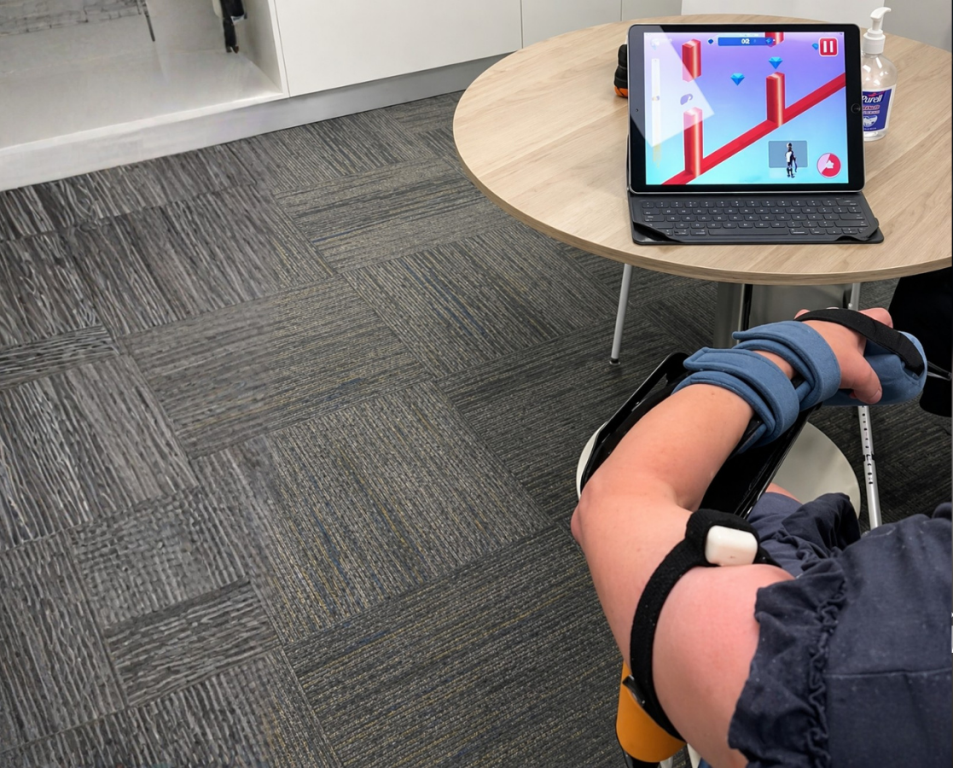
By Lusio Rehab Home rehabilitation is where therapy either continues to deliver results or loses momentum. In neurological rehabilitation, clinicians understand this well. What happens between appointments can determine outcomes just as much as what happens within them. Yet translating that understanding into consistent, sustained engagement at home remains one of the most persistent challenges [...]
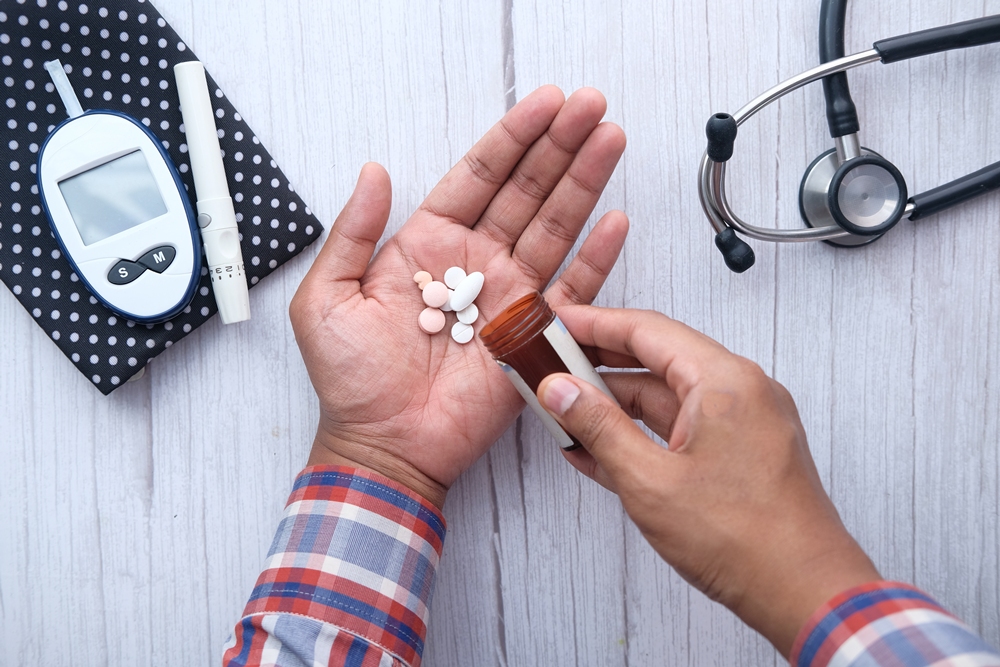
Asundexian cut stroke risk without raising bleeding risk in a large international trial in people treated after stroke or mini-stroke. The study involved 12,327 adults from 37 countries who were enrolled within 72 hours of a non-cardioembolic stroke, caused by a clot forming outside the heart, or a transient ischaemic attack, a temporary blockage of [...]

People with type 2 diabetes face higher MS risk, with a review finding they are nearly 60 per cent more likely to develop the condition. The analysis did not, however, find clear evidence that MS increases the likelihood of developing diabetes. MS, or multiple sclerosis, happens when the immune system mistakenly attacks the myelin sheath, [...]
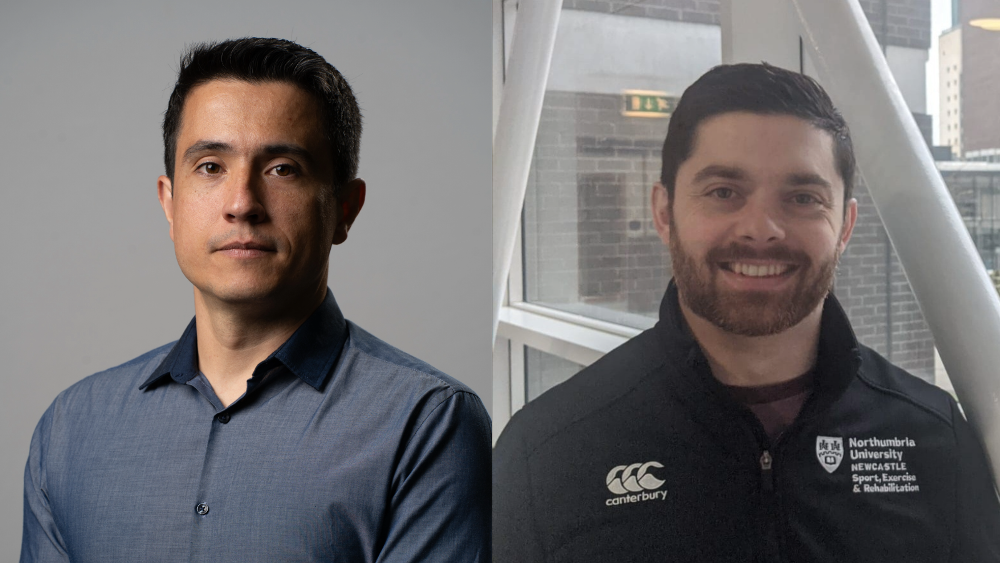
Two Northumbria University researchers have won grants for Parkinson's disease and knee osteoarthritis projects in a £6.7m health research scheme. Dr Rodrigo Vitorio and Dr Justin Andrushko, both from Northumbria's School of Sport, Exercise and Rehabilitation, are among 55 early career scientists across the UK to receive funding from the Academy of Medical Sciences' Springboard [...]
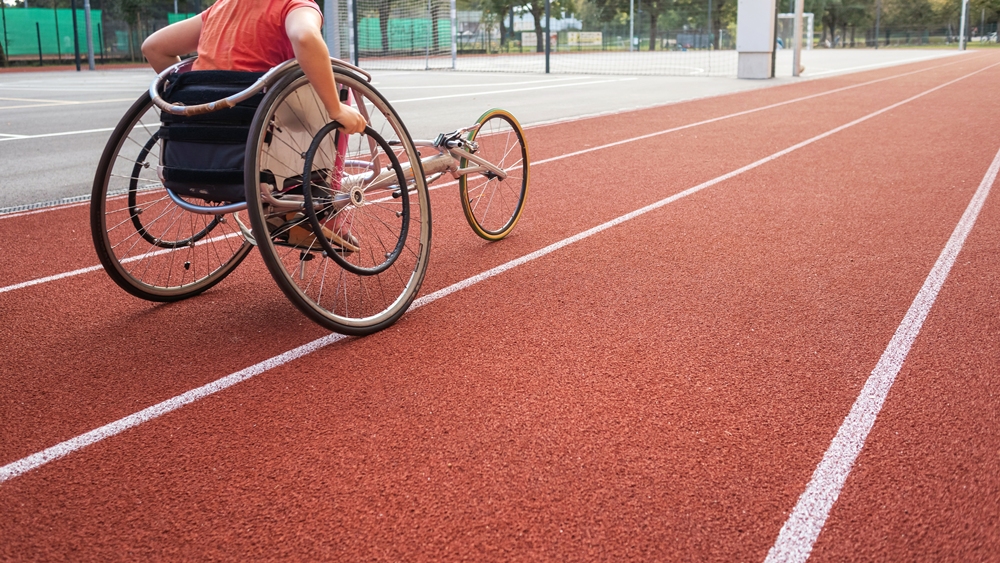
Frame running could help people who have lost mobility and balance return to high-intensity exercise, with research pointing to benefits for those with MS. Researchers at Queen Margaret University say the growing sport is proving life-changing for disabled people, particularly those living with multiple sclerosis, or MS. The sport uses a three-wheeled, pedal-less [...]

Children with TBI face higher rates of anxiety and depression, while strong family support may help lower the risk of depression after injury, new research has revealed. Researchers analysed links between medically diagnosed traumatic brain injury, or TBI, and mental and physical health outcomes in US children and teenagers aged six to 17. They found [...]
By Chiltern Music Therapy One of the striking features of Neurological Music Therapy (NMT) is its ability to simultaneously achieve traditional clinical outcome measures while authentically meeting patient-centred outcome measures (PCOMs). In an evaluation of Chiltern Music Therapy’s Neurological Music Therapy service at Chapel Allerton Hospital, 64.75 per cent of patients met their SMART rehabilitation [...]


