



Clinicians & therapists
For doctors, nurses, therapists and psychologists.
 Multiple sclerosis14 Apr
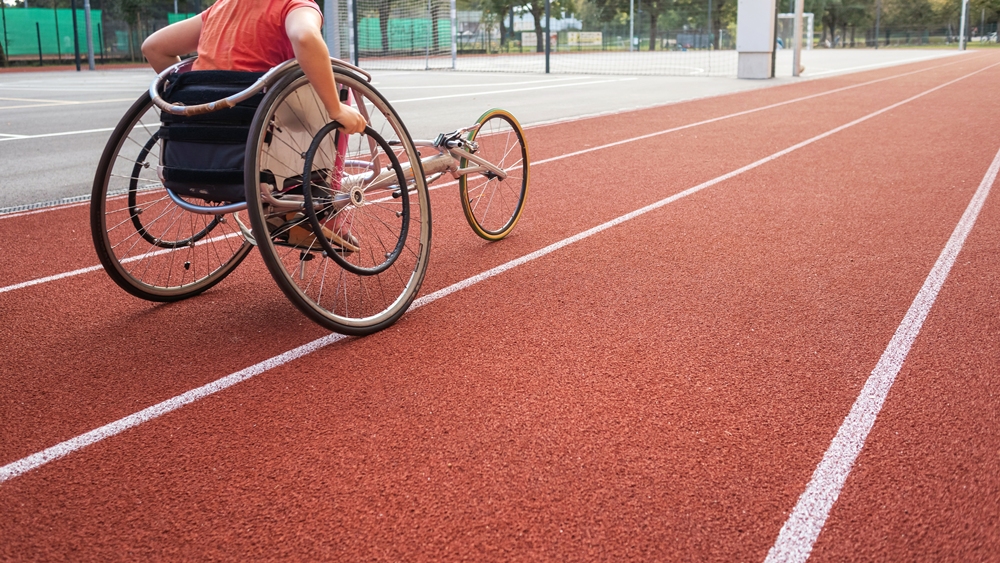
Frame running could help people who have lost mobility and balance return to high-intensity exercise, with research pointing to benefits for those with MS. Researchers at Queen Margaret University say the growing sport is proving life-changing for disabled people, particularly those living with multiple sclerosis, or MS. The sport uses a three-wheeled, pedal-less [...]
 Brain injury14 Apr
Children with TBI face higher rates of anxiety and depression, while strong family support may help lower the risk of depression after injury, new research has revealed. Researchers analysed links between medically diagnosed traumatic brain injury, or TBI, and mental and physical health outcomes in US children and teenagers aged six to 17. They found [...]
 Therapy9 Apr
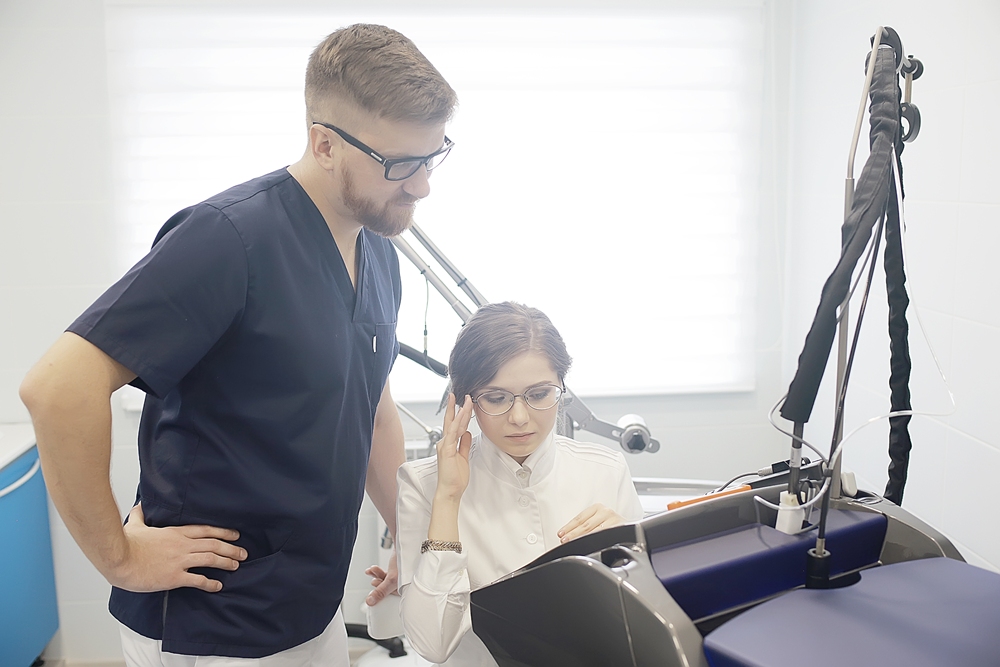
By Chiltern Music Therapy One of the striking features of Neurological Music Therapy (NMT) is its ability to simultaneously achieve traditional clinical outcome measures while authentically meeting patient-centred outcome measures (PCOMs). In an evaluation of Chiltern Music Therapy’s Neurological Music Therapy service at Chapel Allerton Hospital, 64.75 per cent of patients met their SMART rehabilitation [...]
 Therapy2 Apr
By Chiltern Music Therapy In neurorehabilitation, timing is everything. Whether we are working on step symmetry following stroke, improving speech fluency in Parkinson’s, or supporting attention after traumatic brain injury, much of our work as AHPs centres on restoring the brain’s ability to predict, sequence and coordinate. What is less widely understood is that rhythm [...]
 Spinal injury2 Apr
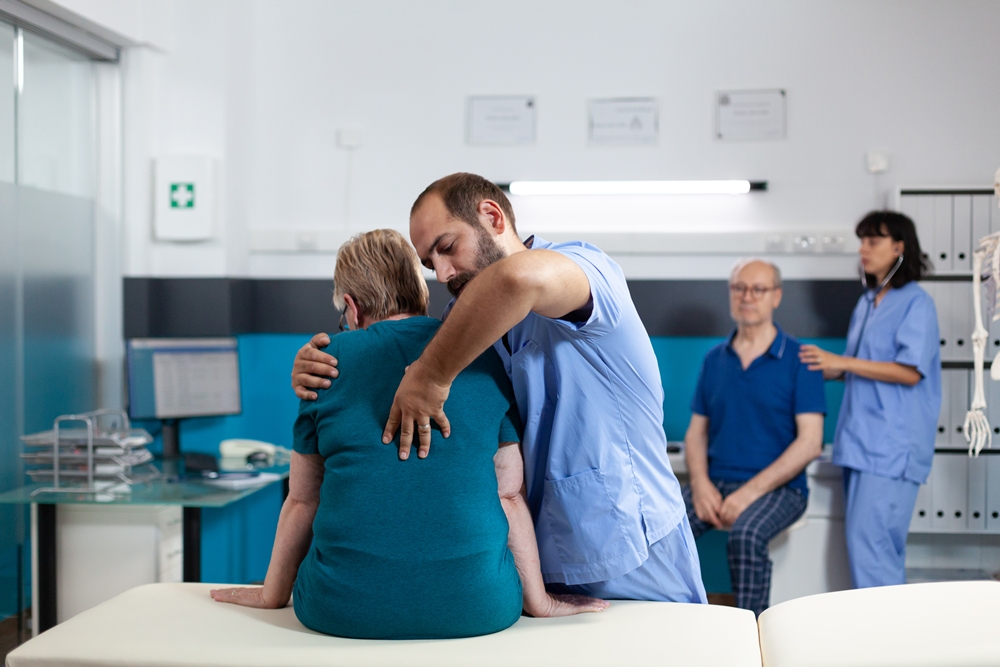
Hypnotic therapy reduced spinal cord injury pain after six weekly remote sessions, outperforming usual care in a new study. Six weekly remote sessions combining hypnosis with cognitive therapy significantly reduced pain intensity, compared with usual clinical care, among patients with spinal cord injury. Senior author Mark P. Jensen, is professor of rehabilitation medicine [...]
 Clinical practice1 Apr
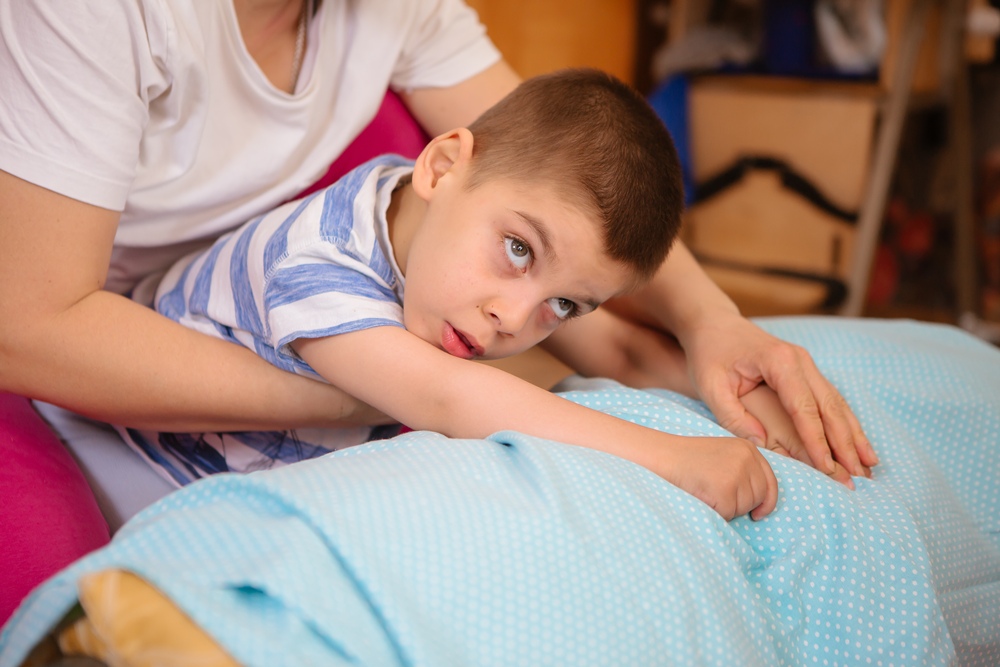
UK researchers have identified a disorder believed to be one of the most common genetic causes of child epilepsy. The condition, called recessive RNU2-2-related neurodevelopmental disorder, is associated with seizures and severe developmental delay in children under one year old, in areas such as speech and walking. The NIHR Manchester Biomedical Research Centre estimates there [...]

NR Times catches up with Victoria Holness-Waud, specialist neurological occupational therapist and founder and clinical director of 360 Rehab, to find out more about her approach and the current climate for occupational therapy in neuro-rehabilitation. The many roles we play in life, says Victoria Holness-Waud, are central to our identity. When those roles are threatened [...]
 Research10 Mar
Psychedelic drugs may help sustain PTSD recovery by triggering brain repair, according to new research in rats. Psilocybin and MDMA can produce rapid effects in people with PTSD, but lasting benefits require brain circuits to stabilise. The study suggests myelin, the insulating layer around nerve cells, may help bridge the gap between the short-lived psychedelic [...]
 Brain injury25 Feb
An interview with Amie Roberts, mental health lead at acuity care Mental health is not an optional extra within neurorehabilitation – it is a core component of recovery. As Mental Health Lead at acuity care, Amie Roberts’ role is to promote, protect and improve emotional and psychological wellbeing of individuals living with an acquired brain [...]
 Dementia20 Feb
A blood test could help predict Alzheimer’s symptom onset, with researchers reporting estimates accurate to within three to four years. The method uses levels of a protein called p-tau217, measured in plasma, the liquid part of blood, to estimate the age at which symptoms are likely to appear. P-tau217 reflects the build-up of amyloid and [...]


