Too many Parkinson’s patients missing critical medication in overcrowded A&Es, RCEM warns
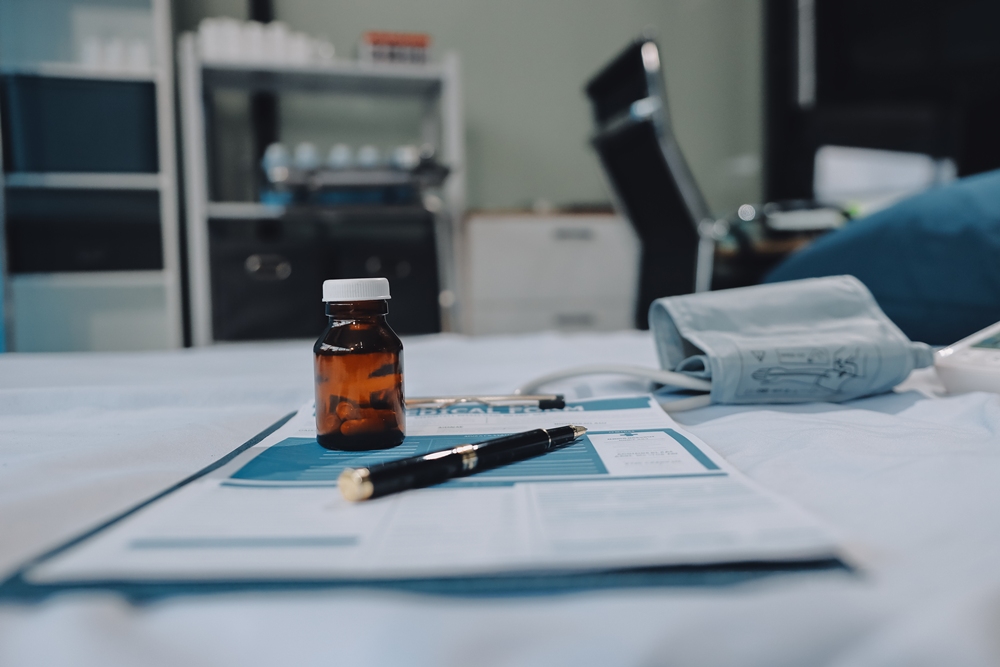
Too many Parkinson’s patients and others are missing life-saving medication or getting it late in overcrowded A&Es, the Royal College of Emergency Medicine (RCEM) has warned.
The RCEM shared findings on 3 June from its latest Quality Improvement Programme report.
RCEM’s Quality Improvement Programmes aim to drive improvements in specific areas of practice within A&E departments.

Its Time Critical Medication Quality Improvement Programme began in 2023 and is due to run until 2027.
Dr Jonny Acheson, time critical medication QIP topic lead, said: “There are some encouraging signs of improvement in this latest report, compared to the previous year’s data.
“But far too many patients with Time Critical Medication needs are still being let down.
“We need systemic changes within EDs to ensure that patients do not fall through the cracks and come to harm.”
The second report focuses on time critical medication for patients with Parkinson’s and diabetes in emergency departments across the UK.
Time critical medication refers to drugs that must be taken at specific times to prevent a person’s condition from worsening.
For people with Parkinson’s and diabetes, this includes medicines such as levodopa and insulin.
When these drugs are missed or delayed, they can cause a significant deterioration in a patient’s condition and may lead to severe adverse effects and longer hospital stays.
The report covers performance between 1 January and 31 December 2025.
It measured A&E departments against three standards: identifying all patients with time critical medication needs within 30 minutes of arrival, giving all medication within 30 minutes of the expected time, and ensuring no doses were missed during a patient’s stay.
The report found that about two thirds of time critical medication doses, 66.16 per cent, were given late.
Roughly 40 per cent of doses were missed, meaning they took more than six hours or were not given at all.
Fewer than half of patients who normally take regular levodopa or insulin, 44.4 per cent, were identified within 30 minutes of arriving in A&E.
RCEM said this was a fall compared with data in the 2024 report.
Performance was better between April and September, when emergency departments are usually less overcrowded.
During the busiest months, patients who needed time critical medication were more likely not to be identified, to receive life-saving medication late or to miss out altogether.
The clinical team behind the report recommended earlier identification of patients, systems to support timely medication, access to up-to-date medication information and clear prescribing and administration protocols from arrival to departure.
Dr Ian Higginson, RCEM president, said: “This second-year QIP report is an important piece of work which will help to drive improvements in care for patients with TCM needs in our departments.
“The findings show that there are still clear gaps in our practice which, if filled, will stop patients missing out on crucial medication.
“But changes to the way we work can only go so far.
“It is no coincidence that TCM patients are better served in the less pressured months, though this is a problem throughout the year.
“In large part, this is such an issue because ED staff are looking after too many patients.
“Inpatient wards are full, causing a backlog of patients with TCM needs in EDs.
“We, those tasked with meeting our patients’ clinical needs, must continue to do our part and replicate what works elsewhere in our own departments.
“But, ultimately, we need action from policymakers to tackle overcrowding and unacceptable ED waits of eight, 12 or even 24 or more hours – or our efforts will continue to be undermined.”
Rowan Wathes, associate director of policy and health strategy at Parkinson’s UK, said: “The timely administration of Parkinson’s medication in emergency departments is crucial for people with Parkinson’s to prevent avoidable harm from delayed or missed doses.
“Even short delays can worsen symptoms, while missing doses can lead to severe and irreversible harm, and in the worst cases, can even be fatal.
“Our 2025 UK Parkinson’s audit found that only 42 per cent of people with Parkinson’s get their medication on time every time in hospital.
“And while 80.5 per cent of all doses were administered on time, only 12.5 per cent of patients got every dose on time, showing that more needs to be done.
“We highly commend this Programme’s efforts to tackle these challenges on a national scale within emergency departments.
“While there is still much work to be done, we are encouraged by early signs of progress, such as the decrease in missed doses.
“The new TCM QIP dashboard could be a ‘game changer’ by incorporating data into local quality improvement meetings.
“We look forward to continued progress in the next phase of the Programme.”