



Clinicians & therapists
For doctors, nurses, therapists and psychologists.
 Brain injury20 Feb
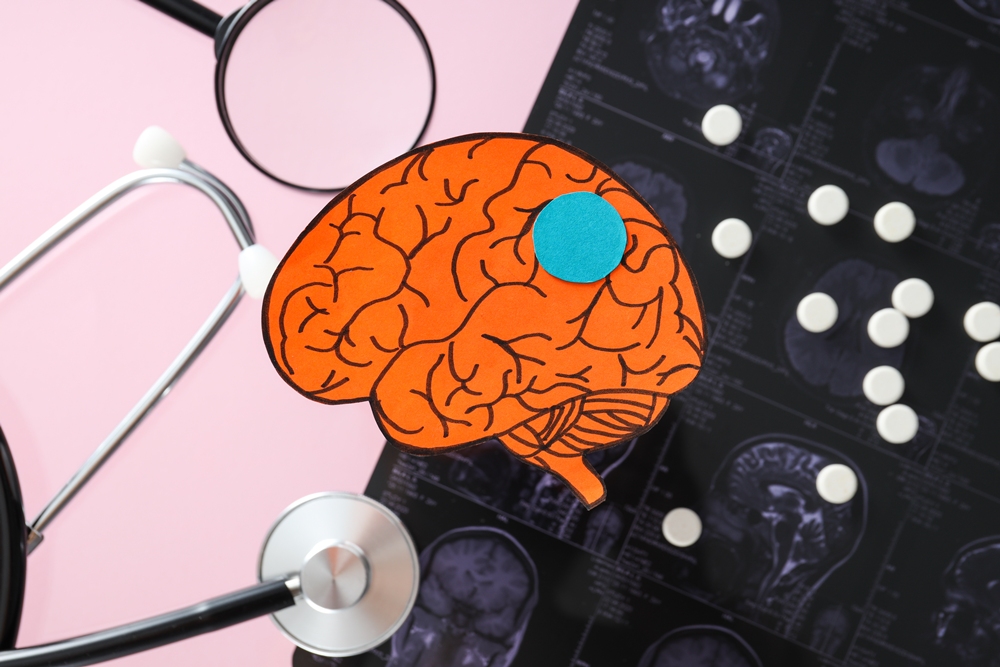
Brain training improved neuroplasticity and thinking skills in adults with traumatic brain injury (TBI) in a recent small study, Neuroplasticity is the brain’s ability to change and reorganise nerve fibres responsible for learning and processing. These fibres enable communication between nerve cells for speech, memory and problem-solving. In a healthy brain, many strong [...]
 Parkinson's19 Feb
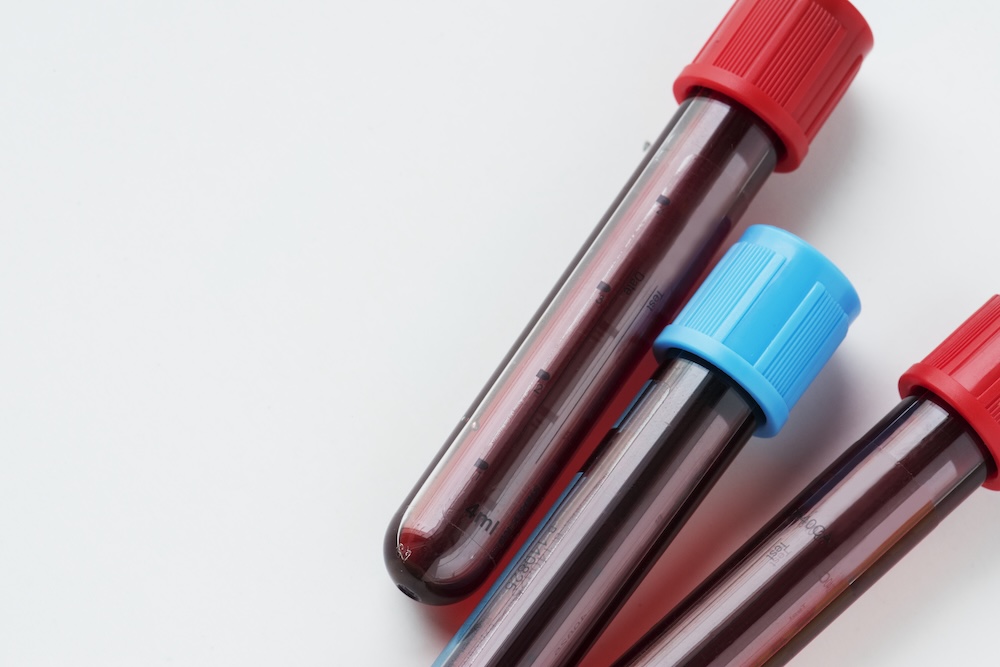
Early biological signs of Parkinson’s disease have been detected in blood years before symptoms appear, raising the prospect of earlier diagnosis and future treatment. The findings suggest key disease processes leave measurable traces in blood for a limited time, creating a window for early detection. Blood tests could begin to be trialled in healthcare within [...]
 Research17 Feb
A single dose of DMT given alongside psychotherapy has been shown to ease symptoms of major depression, with benefits lasting for months, according to a small clinical trial. The trial found that people receiving the psychedelic treatment saw rapid improvements in depressive symptoms, which continued well beyond the short period during which the drug was [...]
 Stroke13 Feb
A study will test remote emotional and practical support for people after a transient ischaemic attack (TIA) or minor stroke. People who experience a TIA, a mini-stroke caused by a temporary drop in blood supply to the brain, or a minor stroke often face anxiety and loss of confidence. They may struggle to return to [...]
 Spinal injury12 Feb
Sixty-two children who underwent spinal surgery in Ireland are to receive clinical follow-up as a precaution after an independent review. The Health Service Executive is clinically reviewing the children following completion of an external report into the service. The review concerns the practice of an individual consultant and the environment in which they operated at [...]
 Spinal injury11 Feb
Lincolnshire Community Hospitals Group has joined with Spinal Injuries Association to improve patient experiences for people who have lost bowel function after injury or illness. While no official figures on the prevalence of paralysed bowels exist, the charity estimates that over 457,000 people in the UK with neurological conditions, including spinal cord injuries, multiple sclerosis, [...]
 Neurophysiotherapy10 Feb
By Katy James, Lead Speech and Language Therapist, Cognivate When an adult sustains an acquired brain injury (ABI) – whether traumatic or non-traumatic – the effects on communication can be subtle but far-reaching. Many people are familiar with and may easily recognise when someone presents with dysarthria or aphasia, the motor speech and language impairments [...]
 Neuropsychology9 Feb
Warren Collins, a catastrophic injury lawyer, takes a closer look at GHD. As personal injury solicitors, case managers, and medical experts, we pride ourselves on thoroughness. Yet one important endocrine complication of traumatic brain injury too often slips through the net: post-traumatic hypopituitarism, particularly growth hormone deficiency (GHD). The scale of the problem The incidence [...]
 Brain injury9 Feb
By Alice Jack, Assistant Psychologist at Brainkind Kerwin Court Memory rehabilitation after acquired brain injury Memory is a cognitive process that allows us to encode, store, and retrieve information. It underpins many everyday activities, from remembering routine tasks to recognising familiar people. The neural networks supporting memory include the hippocampus, medial temporal lobes, and frontal [...]
 Brain injury9 Feb
By Katy Duncanson, ILS Case Management The transition from paediatric to adult services marks an important stage in life, but for young people with complex needs, it can bring uncertainty. Support structures shift - multidisciplinary teams, coordinated care, and proactive planning, often change - and families may face fragmented and often under-resourced adult systems. Closing [...]


