Exercise may slow Parkinson’s progression through signals in muscles – study
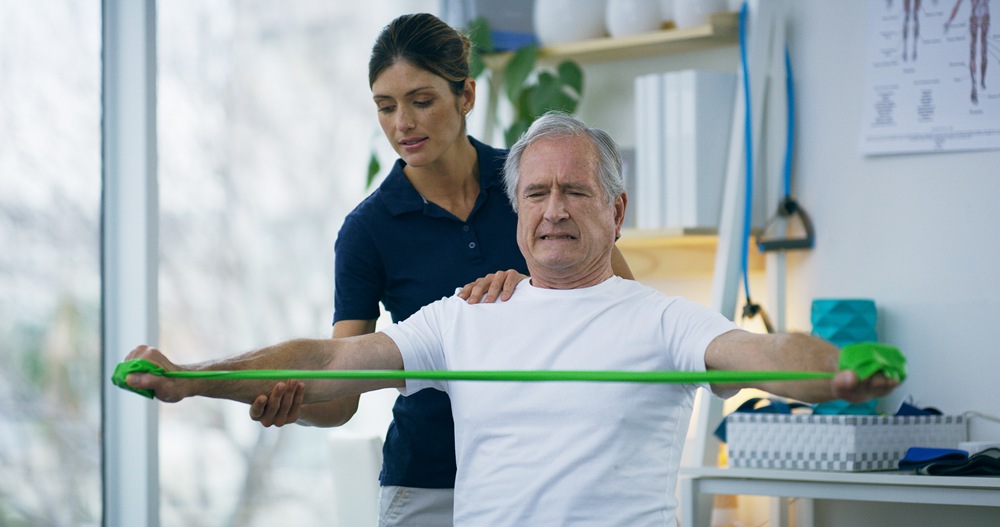
Exercise may help slow Parkinson’s progression through biological signals released by muscles, according to new research.
The review suggests exercise does more than improve strength, balance and mobility. It also triggers the release of molecules known as exerkines, which travel through the bloodstream and may reduce inflammation, protect nerve cells and support brain function.
The findings raise questions about whether health systems should give physical activity a greater role in routine neurological care.

Researchers caution that much of the evidence remains preclinical, meaning it comes from laboratory and animal studies rather than large trials involving people.
The findings also point to a growing understanding of how skeletal muscle communicates with the brain.
“We found that the exerkines act as a medium for the crosstalk between the muscle and the brain,” said study author Salomón Páez-García.
“Though the brain controls muscles, exercising muscles send beneficial signals back to the brain through exerkines.”
Parkinson’s disease affects more than 10m people worldwide, and its prevalence is expected to continue rising as populations age.
Existing medicines largely focus on controlling symptoms rather than slowing the underlying disease process, making lifestyle interventions an increasingly important area of research.
The findings also reinforce calls from patient groups for exercise to be treated as a core part of Parkinson’s care rather than an optional extra.
Although neurologists already recommend physical activity, dedicated rehabilitation services are often limited by workforce shortages and funding pressures.
Researchers cautioned against overstating the implications.
Much of the evidence for muscle-derived signalling molecules comes from laboratory and animal studies, and large clinical trials are still needed to determine whether targeting these pathways can alter the course of Parkinson’s disease in people.
“Exerkines are emerging as potential biomarkers and mediators of exercise-driven neuroprotection, but further high-quality studies are needed,” researchers said.