Great Western Hospitals cuts newborn brain injury cases by 75%
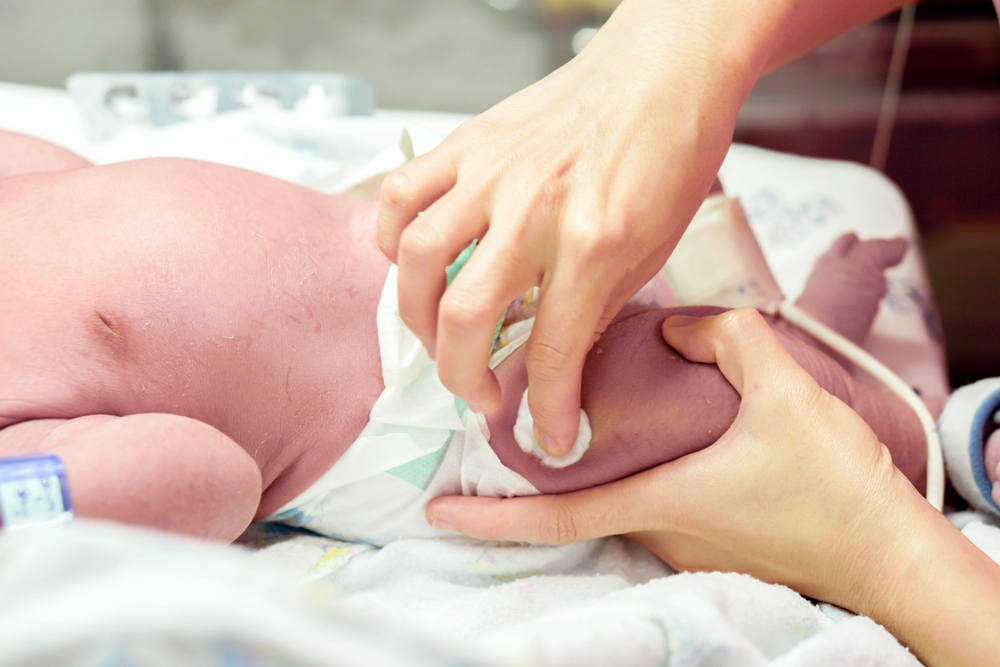
Great Western Hospitals has reported a fall in newborn brain injury cases following a long-running quality improvement project.
The initiative aimed to reduce admissions of full-term babies with suspected hypoxic ischaemic encephalopathy, or HIE, while improving care for those needing further assessment and treatment.
In 2018, the neonatal unit recorded almost 40 admissions involving babies with suspected HIE. By 2025, that figure had fallen to 10.
Over the same period, the incidence of HIE fell from 4.1 cases per 1,000 live births to one per 1,000.
Great Western Hospitals NHS Foundation Trust said fewer babies now require admission for cerebral function monitoring or therapeutic cooling, a neuroprotective treatment initiated within a few hours of birth.
The trust said: “The Quality Improvement project, started several years ago, was established with a clear goal: to reduce admissions of term infants with suspected HIE while streamlining care pathways for babies requiring further assessment and treatment.
“Thanks to the hard work, innovation and drive from the team, the results are significant, positively impacting on the wellbeing of many babies receiving care in Swindon.
“In 2018, the neonatal unit recorded almost 40 admissions of babies, with suspected HIE. By 2025, that figure had fallen to just 10.
“Over the same period, the incidence of HIE decreased dramatically, from 4.1 per 1,000 live births, to just 1 per 1,000 live births.
“The impact of this work can be seen throughout the service, with significantly fewer babies now requiring admission for cerebral function monitoring (CFM) or therapeutic cooling, a neuroprotective treatment, initiated within a few hours of birth.
“The achievement reflects years of dedicated multidisciplinary working, between the maternity and neonatal teams.
“The work has already gained national recognition. Earlier this year, the team presented the project at the REASON 2026 National Neonatal Scientific Conference, where it received the Best Presentation Award, recognising both the quality of the improvement work and its measurable impact on patient outcomes.
“This achievement is just one example of how collaborative working can lead to life-saving improvements in care, placing the organisation at the forefront of neonatal and maternity quality improvement.”