Smartwatch tracking programme could support home stroke rehab
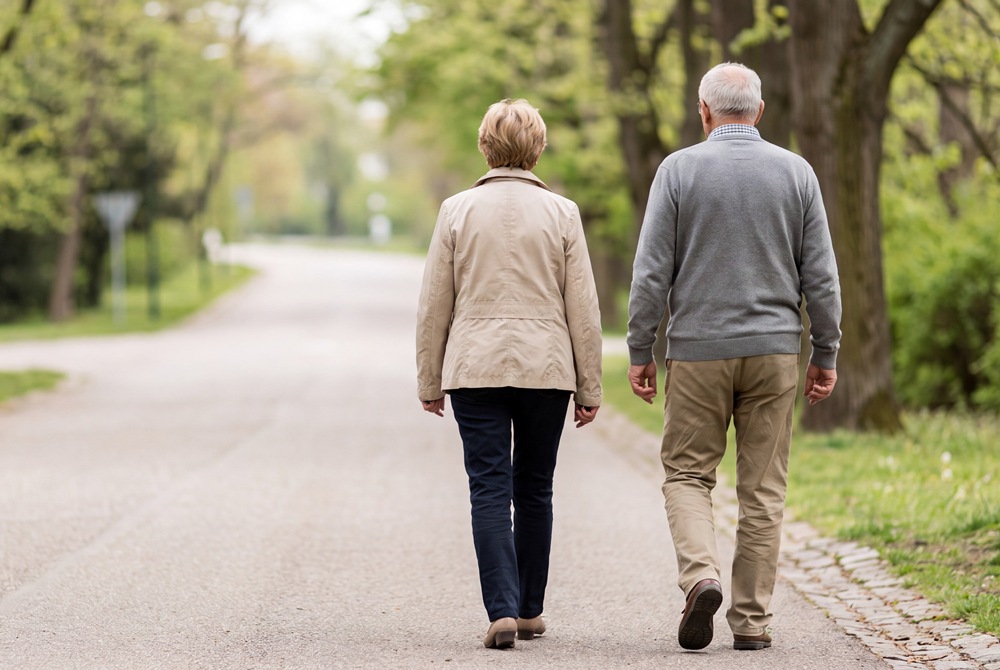
A smartwatch programme may support home stroke rehab by helping survivors take more daily steps and spend less time inactive, a pilot study found.
Researchers developed the 12-week BIG STEPS programme to help people stay active after returning home following hospital treatment for stroke.

The programme combines behavioural coaching with structured walking goals designed to increase daily steps and reduce sedentary time.
Dr Victor Ezeugwu, lead author from the University of Alberta’s Faculty of Rehabilitation Medicine, said: “Stroke survivors may not stay physically active enough on their own after leaving the hospital, and that means they could be missing out on vital health benefits, such as lowering their risk of having another stroke.”
“Recovery continues for months after stroke happens, but many people become much less active once their structured rehabilitation ends, so BIG STEPS was designed to support them during this transition by combining coaching from a physical therapist with individual walking goals and wearable sensors for self-monitoring.”
Walking goals increased gradually as participants’ confidence and ability improved.
“The coaching helps people with their expectations, goal-setting and navigating everyday barriers such as fatigue, fear of falling, bad weather or simply finding ways to balance daily routines,” Ezeugwu said.
Commercially available smartwatches provided immediate feedback so participants could monitor their progress, while therapists used the data to adjust their goals.
Over 17 months, the study followed 28 adults who had experienced a stroke within the previous three months and were returning to life at home. Their average age was 68.
Participants were divided equally into two groups. One began BIG STEPS immediately, while the other waited 12 weeks before starting the programme.
Both groups continued to receive standard post-stroke medical care and rehabilitation, including mobility, balance and strengthening exercises through physical therapy.
Participants received an initial home visit from a licensed physical therapist, followed by up to 11 virtual check-ins.
Each was given an educational handbook and smartwatch to track progress, while therapists used activity data to adjust personalised weekly step goals.
Participants also wore a medical sensor on the thigh for several days at a time to measure sitting, standing, stepping and changes between postures.
Participants who began BIG STEPS immediately averaged 6,534 daily steps after 12 weeks, compared with 4,031 in the delayed-start group.
They also cut the time spent sitting or lying down each day by about 1.4 hours, twice the reduction seen in the delayed-start group.
Ezeugwu said: “These findings suggest the program helped participants change their overall daily movement behaviors—not just simply take more steps.”
After the delayed group began BIG STEPS at week 12, its activity levels also increased and matched the improvements seen in the early-start group by week 24.
“That is encouraging, because it suggests the improvements were associated with receiving the BIG STEPS intervention rather than simply the passage of time during recovery,” Ezeugwu said.
Participants remained highly engaged throughout the programme, wore their devices consistently and attended coaching sessions. No serious adverse events related to participation were reported.
The programme will now be assessed in a larger study examining its effects on everyday movement, timed walking capacity, quality of life and long-term health outcomes.
Researchers will also investigate which stroke survivors could benefit most from the intervention.
Ezeugwu said that if the pilot findings are confirmed, BIG STEPS could make ongoing health promotion after stroke more accessible, personalised and available to more people.
He added: “That’s important, considering that generally, support services like this are less available and accessible once folks return home from organised hospital settings.
“Huge resources go into saving a person when they experience a stroke, but there are far fewer resources to support them once they leave the hospital. BIG STEPS could help fill that gap during this transition.”