Cerebral palsy event highlights need for early intervention and coordinated support between specialist services
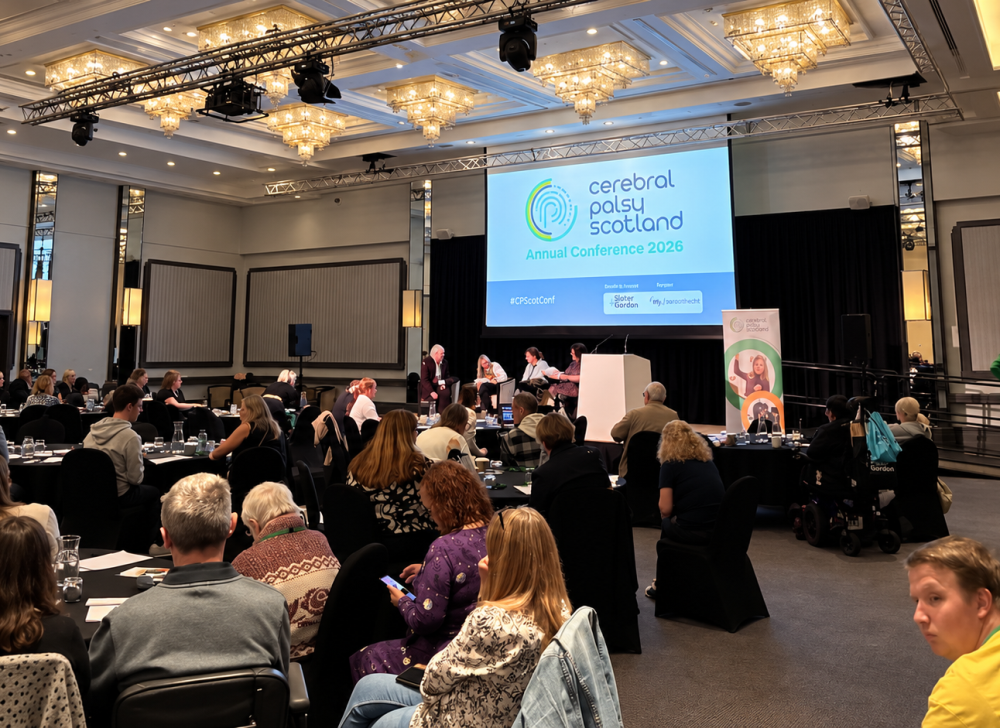
Cerebral Palsy Scotland held its 13th annual conference in Glasgow earlier in early October, exploring how earlier intervention, coordinated care and long-long term planning can provide better outcomes for those living with cerebral palsy.
Cerebral palsy is a neurological condition, caused by abnormal brain development or birth injury.
Those with cerebral palsy often require lifelong support due to its impact on movement, muscle control and coordination.
Whilst cerebral palsy can affect people differently, the conference shone a light on the services available to those living with the condition.
Alongside this, it invited health, legal, education and social care professionals to share their insights and guidance on how such services can be strengthened and made more accessible to those who need it most.
Legal experts from law firm Slater and Gordon attended the event to help understand what meaningful change is needed to support individuals with cerebral palsy.
Slater and Gordon’s Derek Couper, head of medical negligence for its Scotland division, also was invited as a speaker during the conference’s afternoon session, addressing the importance of medical negligence claims, when cerebral palsy has occurred due to a birth injury or preventable negligence.
Legal support can enable clients with cerebral palsy to secure long term financial support towards adaptive living, specialist equipment and lifelong care planning.
Derek said: “During the legal process, one of the most important aspects is understanding how a client can access the specialist support they need whilst navigating the challenges that naturally accompany cerebral palsy throughout their life.
“A successful outcome of a legal case should always prioritise securing that support, while also providing answers to if such outcomes may have been preventable.”
One of the key discussion points amongst the conference was the benefit of early intervention.
During the opening session, attendees heard from Mark Gaston, a consultant orthopaedic surgeon at Royal Hospital for Children and Young People, highlighting the pivotal impact of the Cerebral Palsy Integrated Pathway recently introduced in Scotland.
The programme enables earlier monitoring in children for musculoskeletal complications, reducing the need for surgery later down the line through more timely treatment intervention.
Joanne Goodwin, senior associate at Slater and Gordon added: ” It was really interesting to learn how this programme was set up in Scotland and the benefit this has had for children by providing a multi-disciplinary approach to preserve mobility and improve overall quality of life.”
Dr Anna Basu, clinical senior lecturer and honorary consultant paediatric neurologist at Newcastle University, also discussed early diagnosis and invention by sharing the key signs for medical practitioners to look out for when assessing children for cerebral palsy.
The earlier treatment and support are provided, the greater the potential to improve someone’s quality of life in the long term
Further discussions also raised the importance of collaborative working between healthcare, social care and community services.
Speakers stressed that a multidisciplinary approach could enable specialist services to better align around the needs of an individual with cerebral palsy.
Derek Couper said: “It was a pleasure to attend and speak at the Cerebral Palsy Annual Conference.
“As proud partners of the charity, this significant event is a valuable opportunity to bring the community together to discuss how we can work with each other to improve access to the right treatment, quality of life and long-term support for people living with cerebral palsy.
“To hear the lived experiences of those with the condition, learning about where we can improve, and hearing about the developments already making a difference, is both inspiring and an important reminder of the role we all play in helping to achieve better outcomes.”
Stephanie Fraser, CEO of Cerebral Palsy Scotland, said: “Our annual conference is a unique and important opportunity to bring together people with cerebral palsy, families and professionals to share knowledge, learn from one another and explore how we can improve support across the UK.
“One of the strongest messages from this year’s conference was the importance of getting the right support at the right time throughout life.
“Early diagnosis and intervention can make a life-changing difference, but we must also recognise that cerebral palsy is a lifelong condition and people’s needs don’t stop when they reach adulthood.
“At Cerebral Palsy Scotland, we see first-hand the difference that specialist support can make. However, access to services remains inconsistent, and too many people face gaps in the care they need.
“By working more closely across health, social care and the third sector, we can help ensure that children and adults with cerebral palsy have the support they need to live full and fulfilling lives.”

 Beyond Accessibility: The challenge of finding accessible spaces