Rehab extends far beyond therapy sessions.
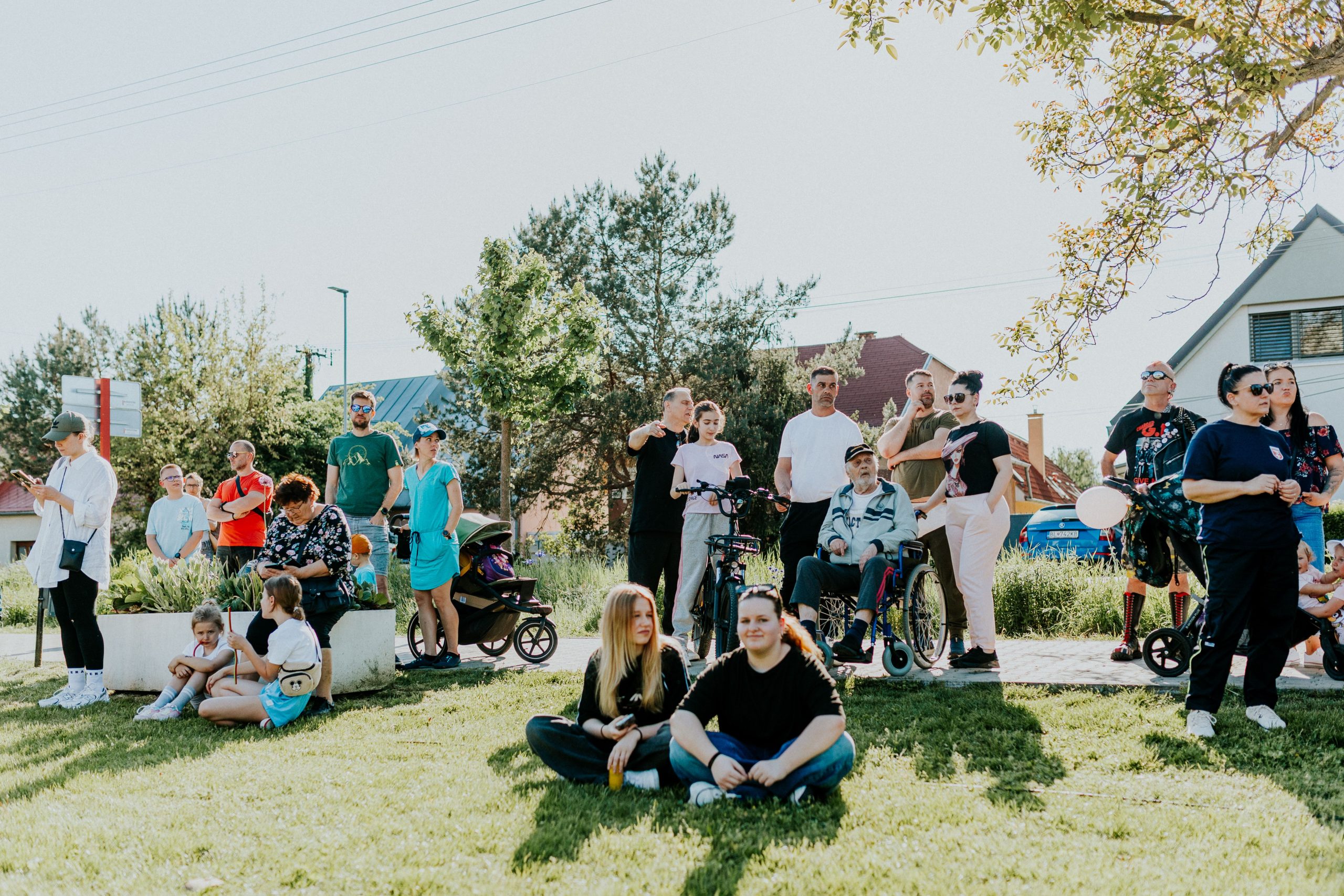
Families, carers and the wider community can help people build confidence, maintain relationships and carry new skills into everyday life.
But their involvement must reflect the individual’s wishes, with support available for those taking on caring roles.
We asked our members: What role should families, carers or the wider community play in the rehab journey?

Here’s what they had to say.
Kate Thornton-Jones, director, Neurokinex
A neurological injury or condition affects not only the individual but their family, carers, friends, school or workplace and wider community, all of whom must adapt and have a part to play.
We deliver community-based rehab, whether someone is newly home or years down the line and it’s often the first time loved ones see rehab up close.
Their role is practical as well as emotional: supporting exercises at home, adapting routines and encouraging new skills in everyday life.
Gains made in sessions only last when they’re carried home – that’s where family, carers and community make the difference.
Matthew Tomlinson, head of serious injury, Slater and Gordon
One of the things we hear most often from clients is how isolating a serious injury can feel. Many people suddenly find themselves facing challenges they never expected and can feel uncertain about what comes next.
Connecting with loved ones, charities, support groups, and people who have been through similar experiences can make a huge difference.
It reminds people that they are not facing their recovery alone and gives them access to practical advice, encouragement and understanding from those who genuinely know what they’re going through.
Recovery is rarely something somebody achieves on their own. Having the right people around you can be transformative.
Brainkind clinical team
Families, carers and communities are central to neurorehabilitation. They provide the knowledge, continuity, relationships and opportunities that help people pursue their goals, adapt to change and participate in everyday life.
To realise this potential, families and carers need practical support, attention to their own wellbeing and timely access to expertise.
Strong partnerships between services, communities and voluntary organisations are equally important. Research, lived experience and policy must further help remove barriers and strengthen these connections.
When we invest in those who care, we create the conditions for people to exercise choice, maintain a sense of belonging and thrive throughout life.
Greg Richardon-Cheater, director and co-owner, Richardson Care
Brain injuries don’t happen to individuals, they happen to families. Therefore families are extremely important in someone’s rehab journey – in many different ways.
First, they are often the most constant element in someone’s life, so can help provide the most emotional support. We’ve found that those people whose families are most involved in their care benefit from greater support.
However, the family needs support too: They have often been thrown into a situation that they know nothing about.
They may be grieving for the person and the life that they used to know, while supporting them post-injury, and trying to understand the complexities of their care and prognosis.
In addition, family members can help clinicians to understand the person prior to their injury – their character, skills, work and lifestyle. This can inform an individual’s care plan, making their goals more relevant and realistic.
And, of course, when someone has a brain injury this puts a lot of pressure on relationships. Family roles change.
Partners, siblings, aunts, uncles, parents or children have to fulfil more caring responsibilities than may be expected at that point in their life.
We’ve found that in nearly all cases, a loved one takes on this role.
The effects of brain injury can last a lifetime and this shows that an individual’s family provides the constant connection to who they are.
Charlotte Lumley, regional operations director, National Care Group
Rehabilitation should never be something that happens to a person; it should be a journey shaped with them and the people who matter most.
Families and carers bring knowledge, history and relationships that professionals cannot replicate, while communities provide the connections and opportunities that make recovery meaningful.
True rehabilitation is not simply about achieving clinical milestones.
It is about supporting someone to reconnect with their life, relationships, identity and community, with their own aspirations firmly at the heart of that journey.
Stephanie Potts Lusio Rehab clinical adviser and neurological physiotherapist
The role carers play differs widely according to an individual’s specific needs and personality.
Some qualities, such as respect and empathy are universal, while other roles are realised by the support team being openly curious about what the individual would like.
Some people want company, someone by their side to cheer them on each step. Others are more private and like some space to explore challenges with their immediate therapy team before sharing with others.
Ask questions, be unassuming and be ready to respond in ways you may not have expect to be valued. Everyone’s experience of disability and change is different.
Cher Goodyer-El Meheiry, Agincare Live-in Care clinical lead
Families are very important in the rehabilitation journey because they know what the person’s life was like before their injury.
They can help us, as professionals, to encourage the person to achieve realistic goals and give us insight into what they want to achieve.
However, we should also remember that families need time to be a family. They are not a replacement for a professional trained care team; they are there to provide moral support and act as advocates while we follow techniques rooted in best practice.
Having good support from family and friends also helps with the psychological impact of trauma, giving the person someone to talk to about their feelings and struggles.
Seeing friends from before their injury and joining local support groups can also help them adjust to changes in their body and/or mind.
Warren Collins, Partner, personal injury, Penningtons Manches Cooper
After a brain injury, people often measure progress in small steps rather than big milestones. Families, carers and communities are the people who notice those steps, celebrate them and help maintain momentum.
In my experience, rehabilitation is strongest when it extends beyond the clinic and into everyday life, where confidence, relationships and purpose are rebuilt alongside skills and independence.
Justin Keenan Lusio Rehab CEO
What role should families, carers or the wider community play in the rehab journey?
In my work with the community, the people who do best aren’t always the ones with the most disciplined family. They’re the ones with a solid network around them.
Long-term rehab is a grind, and motivation runs out. The therapist sets the plan and the goals, and family, friends and carers can help people stay on track with them.
But that’s not their only role. The support outside of rehab matters just as much: the friends who still invite them for coffee, the family who laugh with them, the people who see them as them and not a patient.
That’s what protects their mojo and their sense of self.
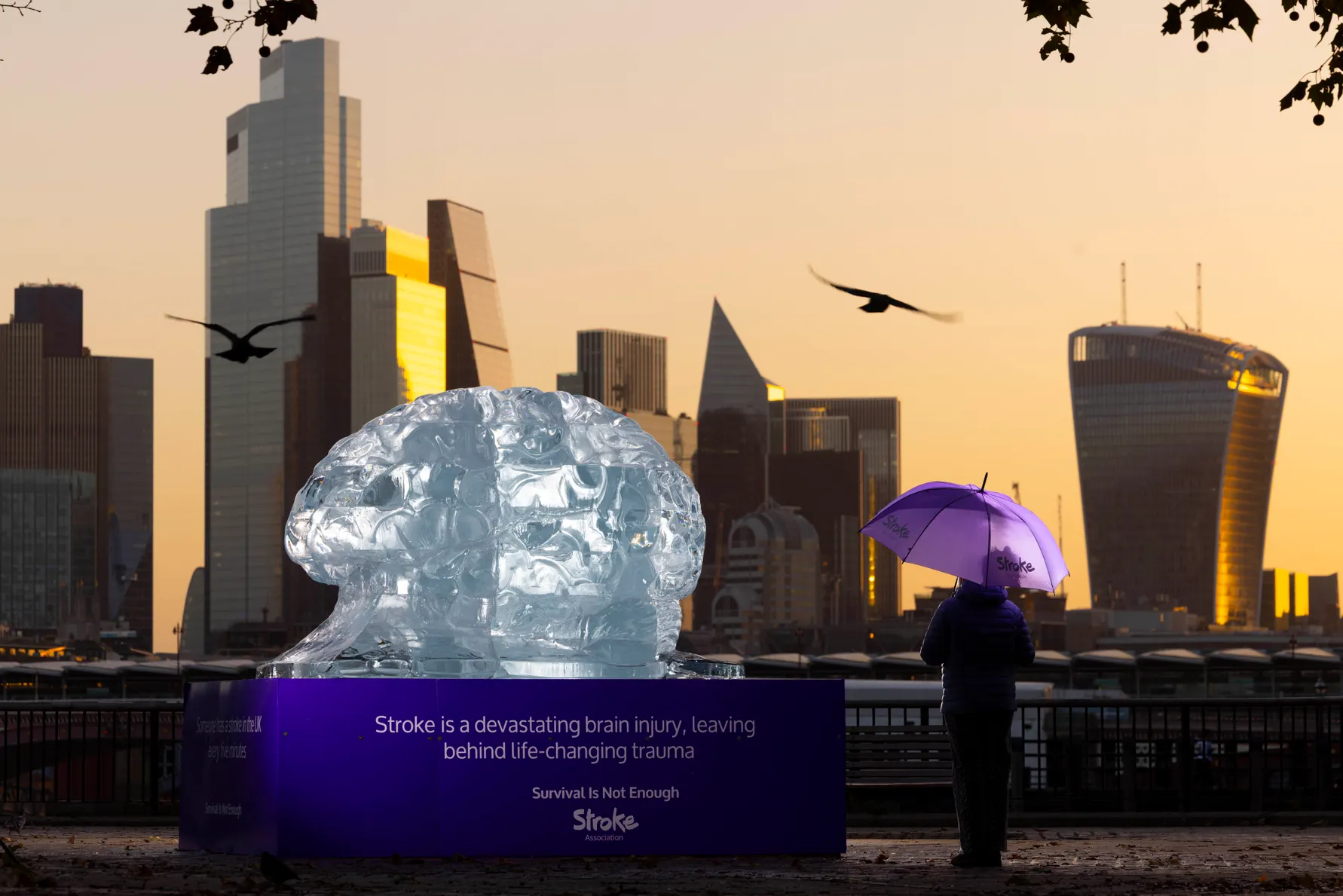 Giant ice brain unveiled as charity warns of gaps in stroke awareness