Legal expert shares how support can shape recovery outcomes after serious injury
Many people assume a serious injury claim is simply about compensation. However, legal experts say one of the most important benefits can be access to rehabilitation, treatment and practical support during the recovery process.
Despite this, recent research by national law firm Slater and Gordon found that many people remain unaware of their legal rights following an injury, potentially missing out on key support towards their recovery.
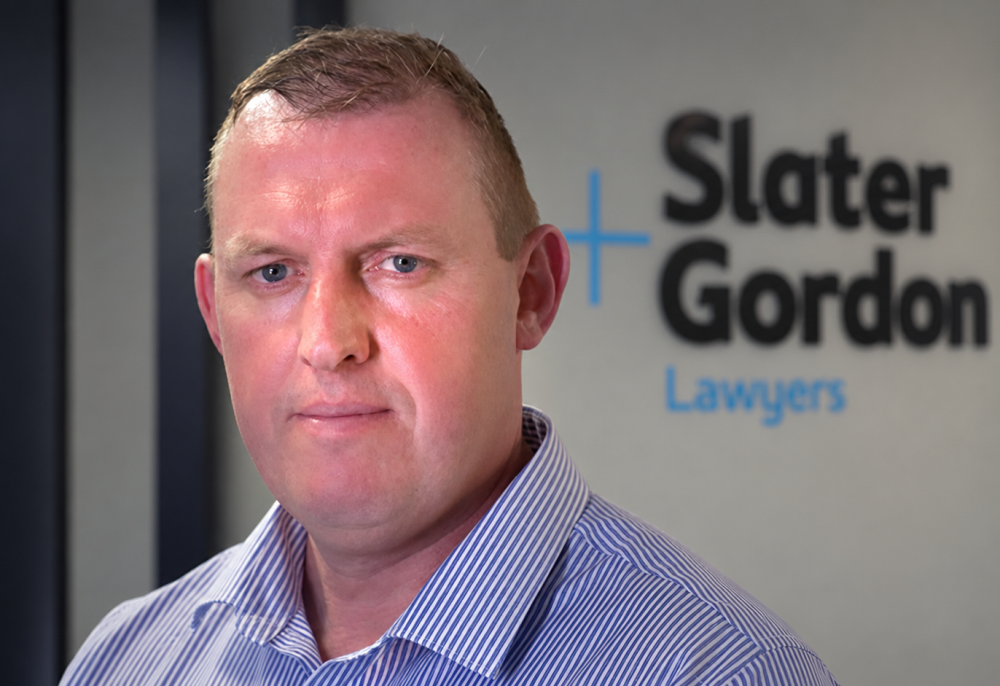
Head of serious injury north, Matthew Tomlinson, has more than 20 years of experience supporting clients with serious injuries. He shares the importance of obtaining post-recovery resources beyond just legal support and compensation.
He said: “Some of the most important support comes in the days, weeks and months after an injury, when people are trying to come to terms with what has happened and what their future might look like.
“Our role is not just to pursue a legal claim but it’s about helping people access the rehabilitation, treatment and practical support they need as early as possible, so they can focus on their recovery and rebuilding their lives.”
In research conducted earlier this year, Slater and Gordon found that one in seven UK workers suffered an injury at work (14 per cent) and just under two in five had suffered an injured in a public place setting (39 per cent) in the last 12 months.
However, of those who chose to not report their injury, 15 per cent of those injured in a public place were unaware of their legal rights, and just over one in six injured at work didn’t know they had a legal right to report the workplace incident (16 per cent).
The findings suggest that many people remain unaware of the support available to them that can assist them with recovery.
Starting with legal support
A serious injury can take a toll on every aspect of someone’s life, from their career, their relationships, mental wellbeing and their independence.
As Matthew comments, legal support is the first step towards someone’s recovery.
“Legal support is often the starting point for accessing the wider help someone may need.
“Through the right support network, people can be connected with rehabilitation specialists, therapists, case managers and other professionals who can help them achieve the best possible recovery.
“Ultimately, our aim is to remove as many obstacles as possible so people can focus their energy on getting better and adapting to life after injury.”
Gaining financial Support
While compensation is an important outcome of a claim, Matthew explains that it can also provide the financial stability needed to support an individual’s recovery journey.
He added: “Compensation is often viewed as the end goal of a claim, but for many people it’s about much more than that.
“It’s about providing financial security and ensuring someone isn’t left struggling because of an injury that wasn’t their fault.
“For some people, an injury may mean months away from work. For others, it may affect their ability to return to the same job or career at all. Compensation can help replace lost earnings, fund future care and treatment needs, and provide stability during what is often an incredibly uncertain time.
“The focus is on helping people move forward with confidence and ensuring they have the resources they need for the future.”
Specialist support and rehabilitation
Following a serious injury, rehabilitation is one of the most important steps towards helping someone regain their independence and achieve a better quality of life.
Matthew said: “Rehabilitation can be one of the most important parts of recovery after a serious injury. Every person’s circumstances are different, which is why support needs to be tailored to their individual needs and goals.
“That support can include physiotherapy, psychological therapy, occupational therapy, specialist equipment, home adaptations and a range of other interventions that help people regain independence and improve their quality of life.
“Recovery isn’t always about returning to exactly how life was before.
“For many people, it’s about adapting to a different future and being given the right support to live it as fully as possible.”
A support network
Slater and Gordon has more than 50 charity partnerships to support clients.
Matthew shares the benefit of connecting with others who have also suffered similar serious injuries and said: “One of the things we hear most often from clients is how isolating a serious injury can feel.
“Many people suddenly find themselves facing challenges they never expected and can feel uncertain about what comes next.
“Connecting with charities, support groups and people who have been through similar experiences can make a huge difference.
“It reminds people that they are not facing their recovery alone and gives them access to practical advice, encouragement and understanding from those who genuinely know what they’re going through.
“Recovery is rarely something somebody achieves on their own. Having the right people around you can be transformative.”
Learn more about Slater and Gordon at slatergordon.co.uk

 What does a Case Manager really do?