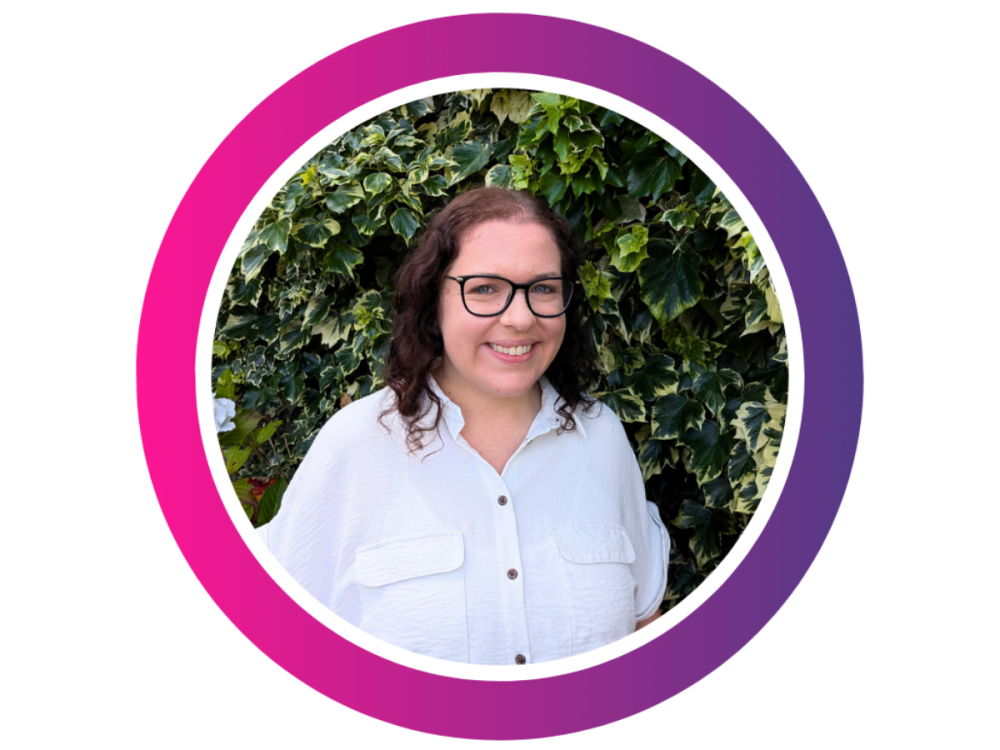
By Stephanie McDonald, nurse, clinical lead and case manager, Unite Professionals
When someone experiences a life-changing injury, their world, and the world of their family, can suddenly become confusing and overwhelming.
Hospital stays, discharge planning, therapy programmes and emotional adjustment commonly happen simultaneously, frequently alongside the complexities of a personal injury claim.
At a time when people can feel lost within multiple systems and competing priorities, case management provides a vital source of coordination, advocacy and support.
A case manager acts as a bridge between health, social care, legal and community or charitable support. Our mission is simple but powerful: to make sure that every aspect of a person’s rehabilitation journey works together in the right way, at the right time.
Case management does not operate in isolation.
Across the UK, professional organisations such as CMSUK and BABICM promote high standards of practice, continuing professional development and evidence-based approaches to rehabilitation, with the IRCM ensuring that case managers meet specific criteria for professional registration.
Collectively, these organisations help ensure that case managers maintain the knowledge, skills and ethical standards required to support individuals with complex needs.
After injury, clients frequently face fragmented care. They might see multiple specialists and therapists, each with their own goals.
The case manager’s role is to connect those moving parts, ensuring that treatment plans are coordinated, communication is clear, and that everyone stays focused on what truly matters, the client’s personal goals and quality of life.
Early intervention is one of the most important contributors to successful rehabilitation outcomes.
By identifying needs promptly and coordinating appropriate support at the earliest opportunity, case managers can help reduce delays, prevent complications and maximise a person’s potential for recovery and independence.
Our job begins with listening, not just to the medical facts, but to the story of who this person was before the injury, what matters to them now and what they hope for next.
Rehabilitation isn’t just about recovery; it’s about building a life that feels meaningful.
Case management is not just about logistics; it is a deeply clinical and relational role.
Many case managers, usually nurses and allied health professionals, draw on their clinical backgrounds to assess needs, identify potential complications and ensure care is safe and appropriate.
But clinical expertise alone is not enough. The case manager must also understand people, how clients and families cope, how motivation can be affected and how relationships evolve after injury.
We often find ourselves supporting emotional wellbeing, mediating between family members and helping people rebuild their sense of identity and purpose.
Perhaps one of the most important aspects of case management is advocacy. Clients and families can easily feel lost in complex systems, especially when decisions are made about funding, therapy intensity or housing adaptations.
The case manager ensures that the client’s perspective is not lost among professionals’ opinions, that their values, choices and priorities lead the way.
Advocacy also means challenging when needed.
A case manager should question whether a service is truly meeting someone’s needs or whether the pace of rehabilitation is realistic and sustainable. It’s about balancing hope with honesty, and empowerment with protection.
Case managers frequently oversee multidisciplinary teams.
Through coordination, communication and clinical insight, they influence the direction of rehabilitation and maintain focus on shared outcomes. A good case manager keeps the team accountable, ensuring therapy plans are regularly reviewed, progress is measured, and the client remains at the centre.
Rehabilitation consistently involves overlapping systems: NHS and private therapy, statutory services, medico-legal frameworks and litigation processes.
Case managers act as navigators through this maze. We interpret reports, liaise with solicitors and insurers, source appropriate services and ensure continuity when transitions occur. This prevents duplication, delays and unnecessary stress for the client.
A few years ago, I worked with a teenager who sustained a traumatic brain injury and complex orthopaedic injuries after a road traffic accident.
When I met him, he was bed bound and his parents had been told that he might never return to education. He had no interest in participating in therapy, was frustrated and angry, and could not see a way forward.
Together, we took small steps. I worked closely with the neuro-physiotherapist to adjust his goals into smaller more manageable pieces.
I ensured that he was carefully matched with a very good neuropsychologist and liaised weekly with the NHS treating team.
The rehabilitation programme was supported by a rehabilitation support worker/enabler with similar interests to him.
One year later, he was travelling independently by public transport, attending college to begin his A-levels and actively planning for his future.
What had initially seemed impossible became achievable through a coordinated rehabilitation programme, realistic goal setting and the combined efforts of a committed multidisciplinary team.
His parents later told me, “You were the only one who seemed to see the whole picture.” For me, that captures the essence of case management: seeing the whole picture when no one else can.
At its heart, case management is a partnership between professional expertise and lived experience.
It is about walking alongside someone as they rebuild life after injury, helping them regain control and ensuring every aspect of rehabilitation is aligned with their goals, values and aspirations.
The true value of case management lies not only in coordinating services, but in empowering people to achieve outcomes they may once have believed were out of reach.
Ultimately, successful rehabilitation is not measured solely by clinical improvement, but by a person’s ability to live a fulfilling life with as much independence, choice and participation as possible.
For clients and families navigating the aftermath of a life-changing injury, support extends beyond healthcare services alone.
Professional organisations such as CMSUK and BABICM promote excellence in case management practice, while charities such as Headway UK provide invaluable information, advocacy and ongoing support for individuals and families affected by brain injury.
Together, they help ensure that no one has to navigate the rehabilitation journey alone.

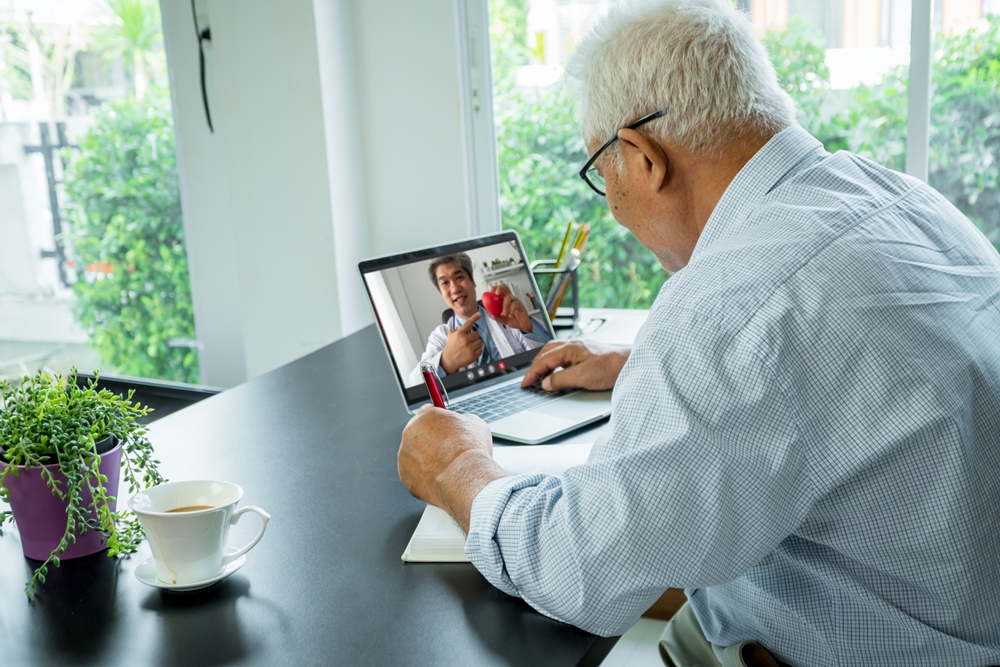 Remote rehab programme could help stroke survivors regain arm function