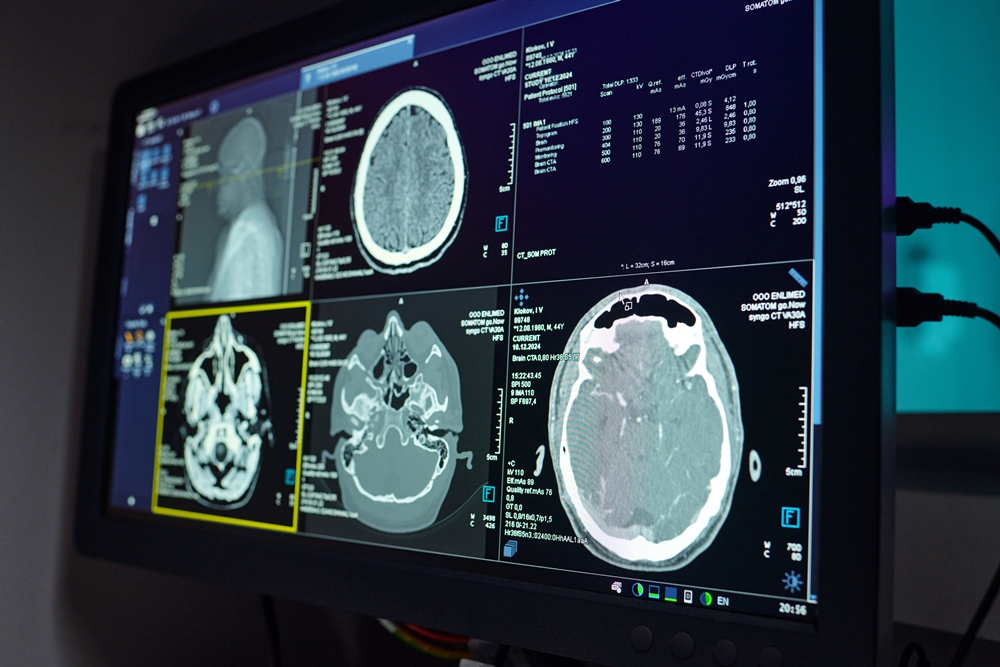
Researchers are calling for a re-evaluation of guidelines used in the care of children with traumatic head injuries following the first multicentre study of its kind in the UK.
The paper suggests that the existing intracranial pressure thresholds used for treatment should be lower in children than in adults. Intracranial pressure means the pressure inside the skull.
Dr Shruti Agrawal is a paediatric intensivist and paediatric trauma lead at Cambridge University Hospitals NHS Foundation Trust, and led the study.
The researcher said: “Our findings suggest that clinically relevant treatment thresholds in children with TBI may be lower than the current 20 mmHg benchmark.
“Together with prior studies, this evidence supports re-evaluating guideline targets for ICP management in paediatric TBI and highlights the need for prospective, age-specific validation to optimise neuroprotective strategies.”
The results come from a UK-wide multicentre prospective study in paediatric traumatic brain injury, called STARSHIP, which stands for Status of Cerebrovascular AutoRegulation relates to outcome in Severe Paediatric Head Injury.
In this secondary analysis of high-resolution physiological data from the STARSHIP research database, patients with brain pressures below 14-15 mmHg were more likely to have improved long-term functional outcomes.
Importantly, this association persisted even after accounting for how severe the original injury was and how intensively patients were treated.
In other words, the benefit was not simply because the patients had less severe injury or received more aggressive care. Lower brain pressure itself appeared to matter in the long-term outcome.
The study concludes: “Sustained ICP elevations above 14-15 mmHg are strongly associated with poor long-term functional outcomes in paediatric traumatic brain injury (pTBI), which warrant prospective evaluation.”
The first phase of STARSHIP was published in February last year, exploring how continuous assessment of cerebrovascular autoregulation, the brain’s ability to regulate its own blood flow, using pressure reactivity index could help improve outcomes by individualising targets through real-time analysis of routinely collected data.
STARSHIP was conducted across ten UK paediatric intensive care units over five years, recruiting 135 children under 16.
The study has created a high-resolution research database containing detailed clinical and treatment information.
This resource is helping researchers understand and identify the factors associated with better recovery and functional outcomes in children with traumatic brain injury.
In the near future, the database will be made available to external researchers, encouraging wider collaboration and further studies aimed at improving understanding and outcomes for children affected by head injury.
Dr Agrawal said: “Our study has many strengths, the most important being the prospective multicentre design with a predefined sample size and protocol.
“Given the paucity of such evidence and data, STARSHIP database offers a unique opportunity of ongoing research and data collection.”