



Therapy
Therapies that support recovery after neurological injury and illness.
 Stroke28 Apr
There are more than 100,000 new incidences of strokes in the UK each year - that is around one stroke every five minutes. 1.2 million people in the UK live with the after effects of stroke every day, making stroke one of the most resource-intensive indications faced by the NHS today, and a huge challenge for many years to come. The NHS and social care costs of stroke are around £1.7 billion a year in England. Therefore, stroke inevitably demands medical and therapy solutions founded on sound scientific principles, such as those provided by Ottobock.
 Therapy12 Apr
As Chroma partners with a North Devon school to deliver a full arts therapies service, Lucy Collings Pettit, a Neurologic Music Therapist with Chroma, discusses the power of such therapy in children
In September 2020, building upon successful existing music therapy provision, Pathfield School in North Devon introduced a full arts therapies service within their school, in partnership with Chroma. The Chroma team consists of a neurologic music therapist, an art therapist and a drama therapist.
The “once in a lifetime opportunity” to support people whose communication and swallowing needs have suffered during the pandemic must be taken, with the Government needing to urgently support speech and language therapy in this area.
That is the message from more than 80 organisations nationally, which work with, represent and support people with communication and swallowing needs, after the significant detrimental impact people have faced over the past year through their therapy being withdrawn or done remotely.
Through community speech and language therapy continuing even during the height of lockdown, many patients received a “massive boost” from the progress being made in regaining or maintaining their communication and swallowing abilities.
While many therapies were stopped or conducted remotely, speech and language therapy (SLT) continued in-person throughout the pandemic, supporting people in their recovery from brain injury or stroke, as well as working with those with progressive neurological conditions.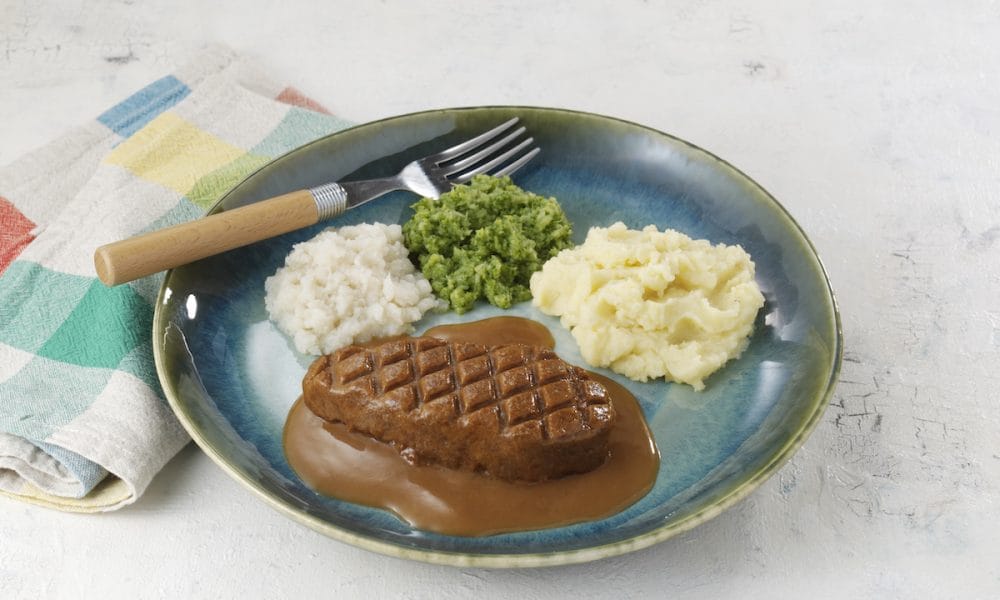
Being diagnosed with dysphagia (also referred to as swallowing difficulties) can be an overwhelming feeling. From diagnosis to understanding which foods are safe to eat, here Wiltshire Farm Foods shares tips and advice on living with the condition.
Being Diagnosed with Dysphagia Once you are diagnosed with dysphagia, your Speech and Language Therapist may recommend that you amend your diet. This will involve modifying the textures of the food you consume, making it easier and safer for you to swallow. Therapy8 Feb
Families are being enabled to regain their voice in the care and rehabilitation of their loved ones through the creation of a new forum at a specialist Cambridgeshire community.
An ‘Ask the Therapist’ forum has been introduced by Askham Rehab, part of Askham Village Community, to help bridge the gap created by lockdown between relatives and therapists. Through monthly video calls, families of Askham residents with complex brain injuries can receive support and advice from the community’s multidisciplinary team, alongside updates on their loved one’s treatment and pathway. Therapy18 Jan
People living with brain injuries across the UK and Ireland are being brought together by a music therapy programme, which has delivered proven results in rehabilitation.
From its base in London, Connect Music Therapy has traditionally held its sessions in-person in people’s homes, but more recently launched an online offering which is enabling its reach to be significantly extended. Founder Janina Brady, who also travels to her native Ireland to hold sessions, had adapted her business to enable her to reach greater numbers simultaneously, as well as allowing her to hold one-to-one sessions beyond Connect’s usual geographical reach in the UK. Janina, who began teaching music in 2010, set up Connect in 2018 and supports people with a range of disabilities and additional needs. Case management13 Jan
Having had a subarachnoid haemorrhage the day after full lockdown was imposed on the UK in March, Lee Atkinson faced the trauma of a lengthy recovery without seeing his family. Here, he shares his story of how he coped.
For millions of people across the country, the onset of the COVID-19 pandemic marked the start of a hugely challenging period. But for Lee Atkinson, that challenge was one of survival, after he experienced a subarachnoid haemorrhage the day after the UK went into lockdown on March 23. Having felt unwell for about three weeks, Lee, a car garage manager, was seeking medical attention for his developing situation. Therapy7 Jan
Artist and art therapist Carl Arroyo, from therapy provider Chroma, shares the story of brain injury survivor Ricky, whose interest in tattoo art began a path towards a life with more possibilities.
I’ve been an art therapist for more than a decade now, and it’s an incredible way of drawing people out and allowing them to express themselves.
I started working with Ricky (not his real name) in the Spring of 2020, about a year and a half after his injury. He already had a multidisciplinary team around him, and it was felt that he needed something else to support him in adjusting to his experience and his injuries.
To be honest, Ricky wasn’t particularly interested in art as a whole, but he had a specific desire to design some tattoos based on his experience of his injury.
 Therapy5 Jan
A pioneering physiotherapy service for children and young people which engages them in rehab through horse riding has marked its 10th anniversary.
The Children’s Therapeutic Riding Service was the first of its kind in Scotland, and remains the largest hippotherapy service in the country. Hippotherapy is a specialist horseback form of physiotherapy, which can deliver life-changing consequences to children with disabilities, including brain injuries. The service, delivered free of charge, attracts young people from across Scotland to its base in Muirfield and has helped hundreds of families during its time in operation.


