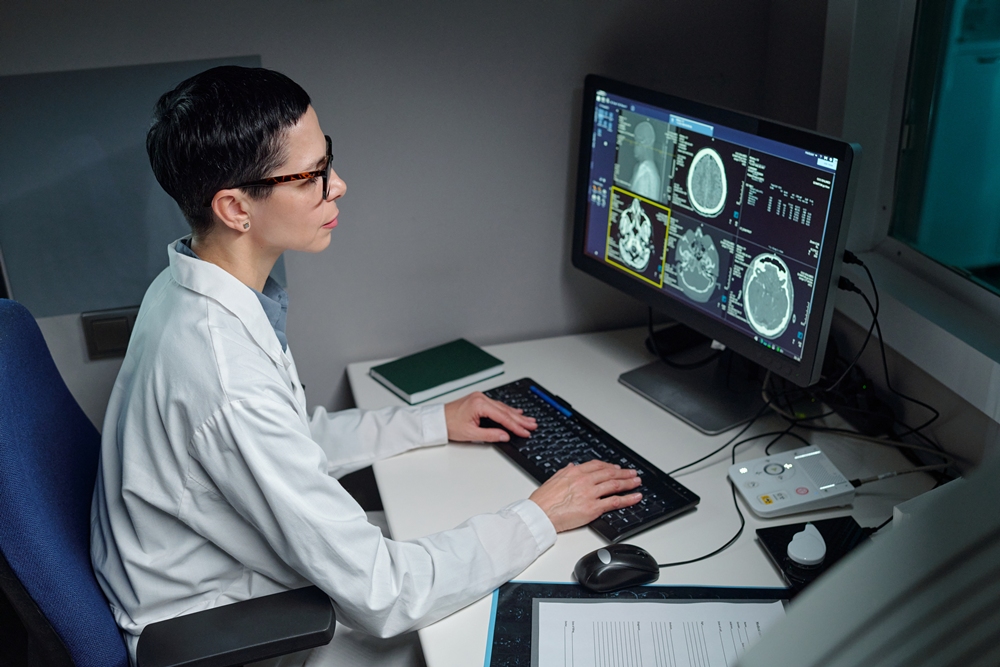
A new brain monitor could detect infections earlier after brain injury and help reduce healthcare costs, researchers say.
The system was created by a research team led by the University of Waterloo to support patients in intensive care units.

Dr Mahla Poudineh, professor of electrical and computer engineering at the University of Waterloo, said: “This platform is designed to almost instantly capture trends and identify complications before they become much more serious.”
Dr Poudineh is also the Canada research chair in health monitoring bionano devices at Waterloo.
In the US, about 25,000 hospital patients with traumatic brain injuries and other conditions need drains to remove excess brain fluid each year.
These conditions include hydrocephalus, a build-up of fluid in the brain, and brain haemorrhage, which means bleeding in or around the brain.
Up to 20 per cent of those cases result in infections that more than double the length of hospital stays and may lead to complications including severe meningitis, neural damage, disability and death.
Meningitis is inflammation of the protective membranes around the brain and spinal cord, while neural damage means injury to nerve tissue.
Clinicians currently try to detect infections by taking samples of brain fluid and sending them to laboratories for analysis.
The researchers said this is labour intensive and can usually only be done once every day or two.
The international team, which includes more than a dozen researchers in Canada, Germany and the US, developed the system to continuously monitor brain fluid for early signs of infection and reduced flow.
Reduced flow in drainage lines can also be a serious problem for patients who need excess fluid removed from around the brain.
The result is NeuroSense, a monitoring system that connects to drainage lines to detect biomarkers of infection, which are measurable signs that may point to infection or other problems.
The system tracks changes in glucose, lactate and pH, as well as flow rate, as brain fluid moves through the lines.
Glucose is a type of sugar used by the body for energy, lactate can rise when cells are under stress, and pH measures how acidic or alkaline a fluid is.
The 3D-printed device is about the size of a smartphone and contains four sensors linked to an electrochemical analyser and a display.
This allows doctors and nurses to continuously monitor levels at the bedside.
Fatemeh Keyvani, a PhD student in electrical and computer engineering at Waterloo who led the research, said: “The benefits include early warning of infection or drain malfunction, enabling faster, better treatment decisions.”
NeuroSense performed well compared with standard laboratory testing and was also tested with a small number of patients in a hospital intensive care unit.
Researchers now plan to add an alarm to automatically alert clinicians to problems, carry out larger clinical studies and refine the system as they work towards possible commercialisation.