



Tech & industry
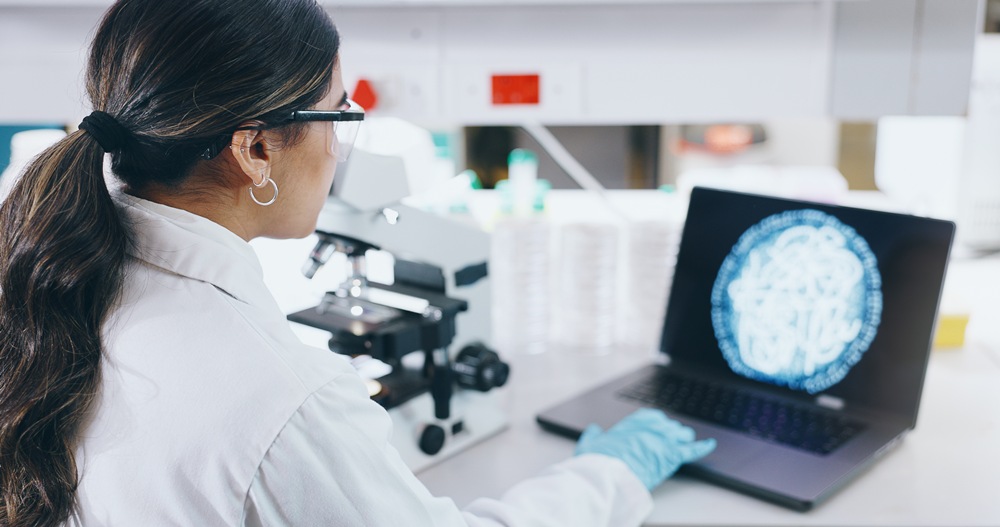
Cellular Intelligence has acquired global rights to Novo Nordisk’s clinical-stage cell therapy programme for Parkinson’s disease. As part of the agreement, Novo Nordisk will make an equity investment in Cellular Intelligence and will be eligible for future milestone payments and royalties. Cellular Intelligence said it aims to continue clinical development of the programme [...]
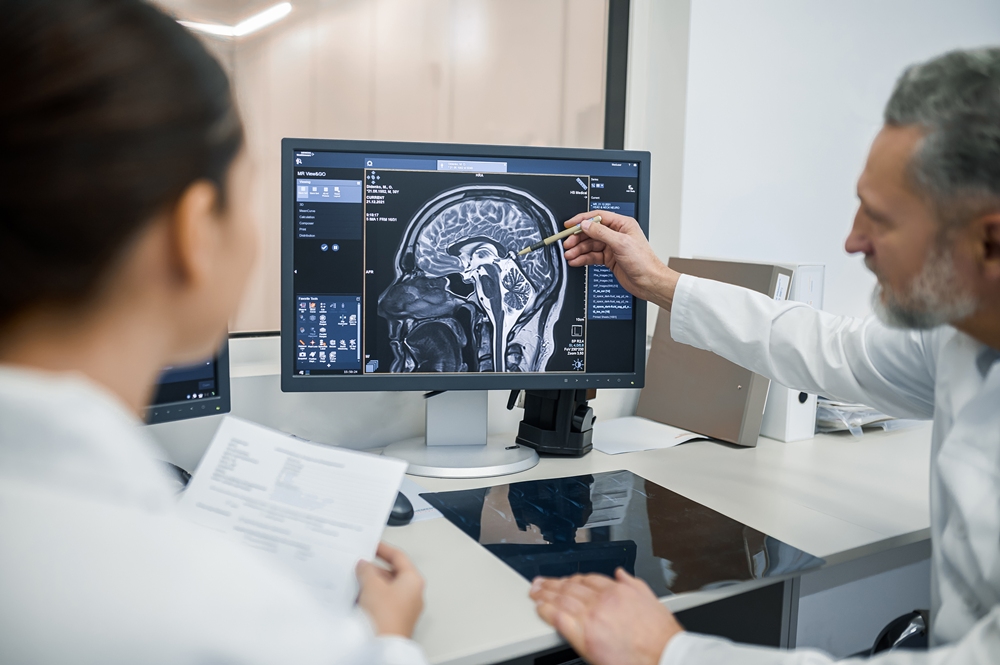
A non-surgical brain stimulation technique improved Parkinson’s movement symptoms in a small pilot study. The approach targets deep brain circuits from outside the skull, without the need to implant electrodes. Researchers said the early findings must be tested in larger studies before the technique can be considered for clinical use. The study, involving [...]
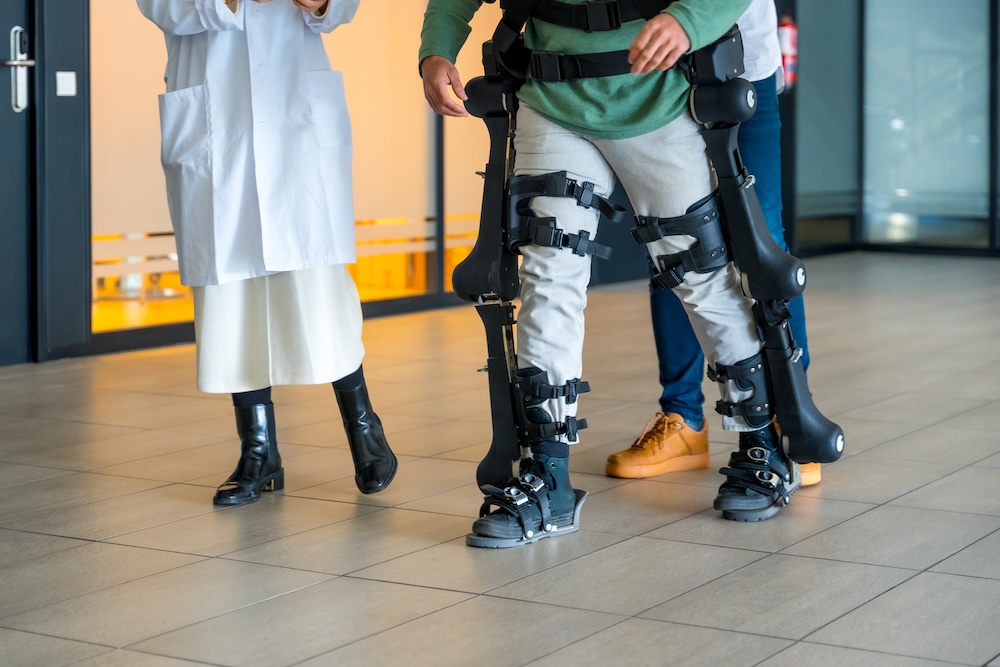
A brain-controlled exoskeleton tested in an early study may one day help people with spinal cord injury walk again. The system used brain signals to control a robotic walking exoskeleton and sent artificial leg sensations back through direct electrical stimulation, creating a two-way link. Researchers said this type of setup may help address key limits [...]
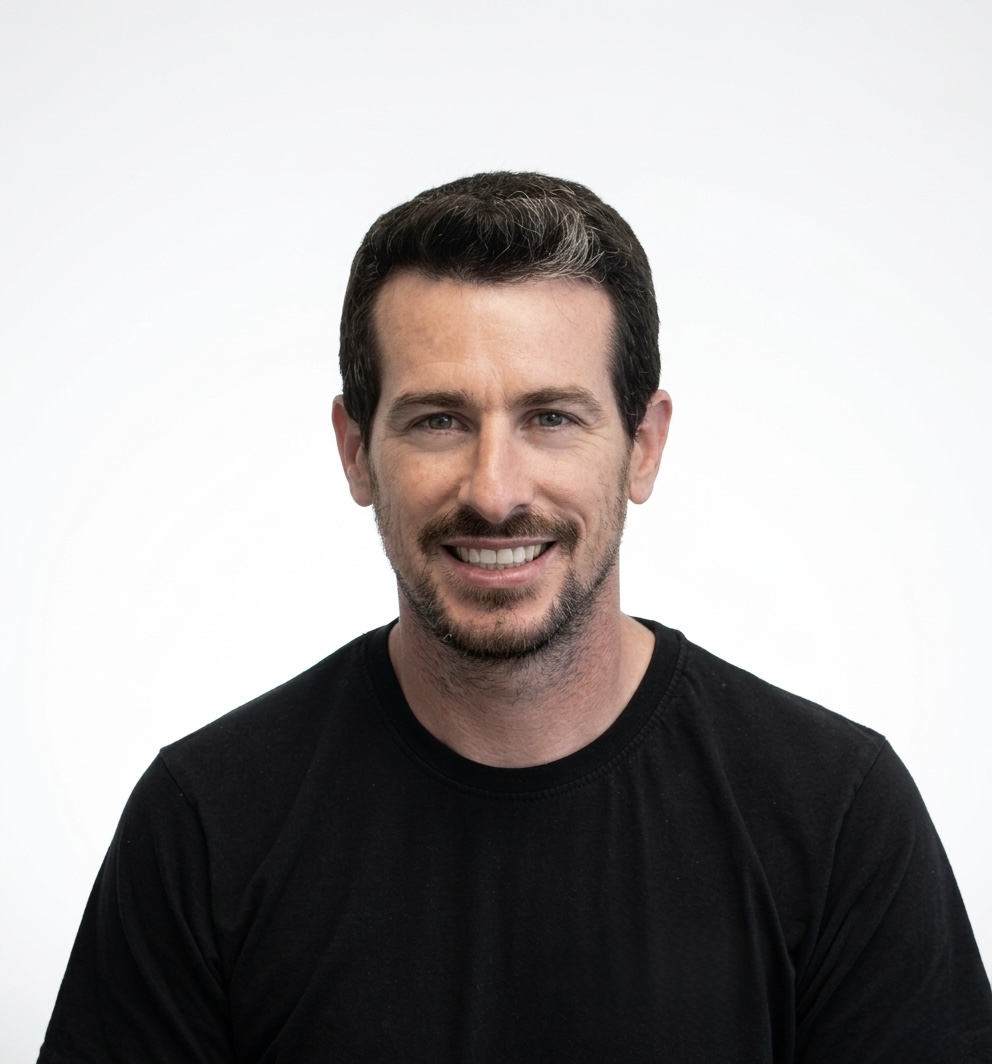
Bioxtreme has secured a total of US$15m in funding to strengthen its leadership team and support the development of its rehab robotics. NR Times speaks to CEO Eyal Samuel Shachar about the company's plans for the funding and finds out more about Bioxtreme's innovative Error Augmentation technology, which offers a unique new approach to neuro-rehab. [...]
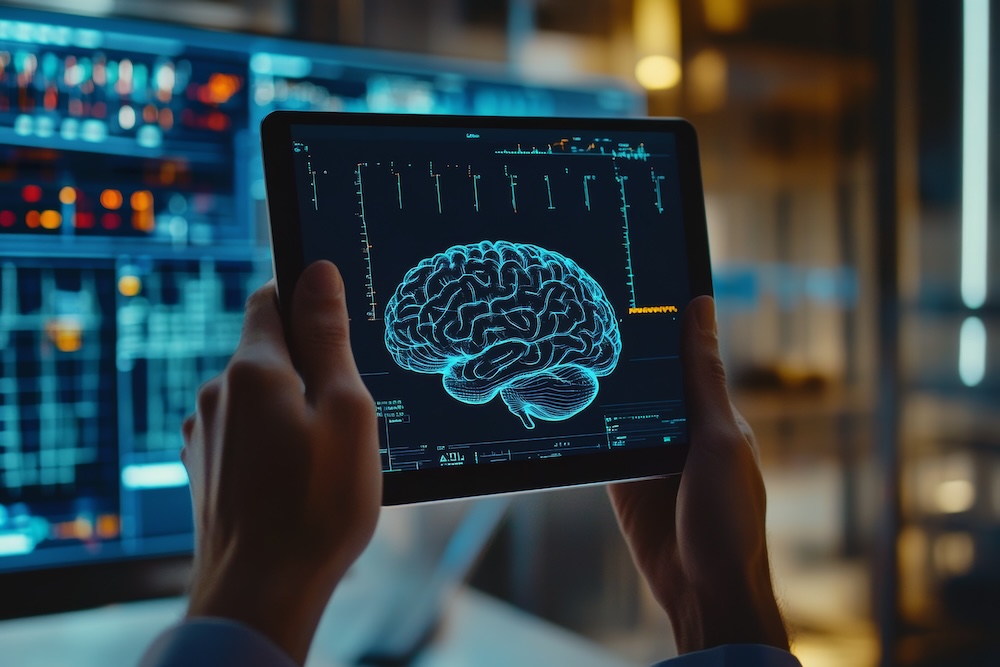
3D brain sensors tailored to each person could improve monitoring and treatment of neurodegenerative disease, researchers say. Traditional brain sensors, known as bioelectrodes, are tiny devices that track signals in the brain. They are usually made from stiff materials in a one-size-fits-all design that struggles to match the brain’s complex structure. Researchers have developed a [...]

An oral drug may cut Parkinson’s falls when it reaches the right blood level, according to clinical trial data presented in Europe. Falls are among the most common and serious complications of Parkinson’s, driven by balance and gait problems, and there is currently no satisfactory treatment. The Phase 2b trial tested pirepemat, an [...]

Stroke recovery may involve brain rewiring in undamaged regions, new research suggests, with scans showing a younger brain structure in people with severe movement problems. The study analysed brain scans from more than 500 stroke survivors across 34 research sites in eight countries. Using deep learning models, a form of artificial intelligence, trained on tens [...]

By Ruth Dixon, Programme Lead, Challenge Works Humans are social creatures – connection to others is vital for good health and wellbeing. Despite this, research conducted last year showed that almost one out of every four older individuals in the world feels lonely - a significant and saddening statistic. Research has consistently shown that people [...]
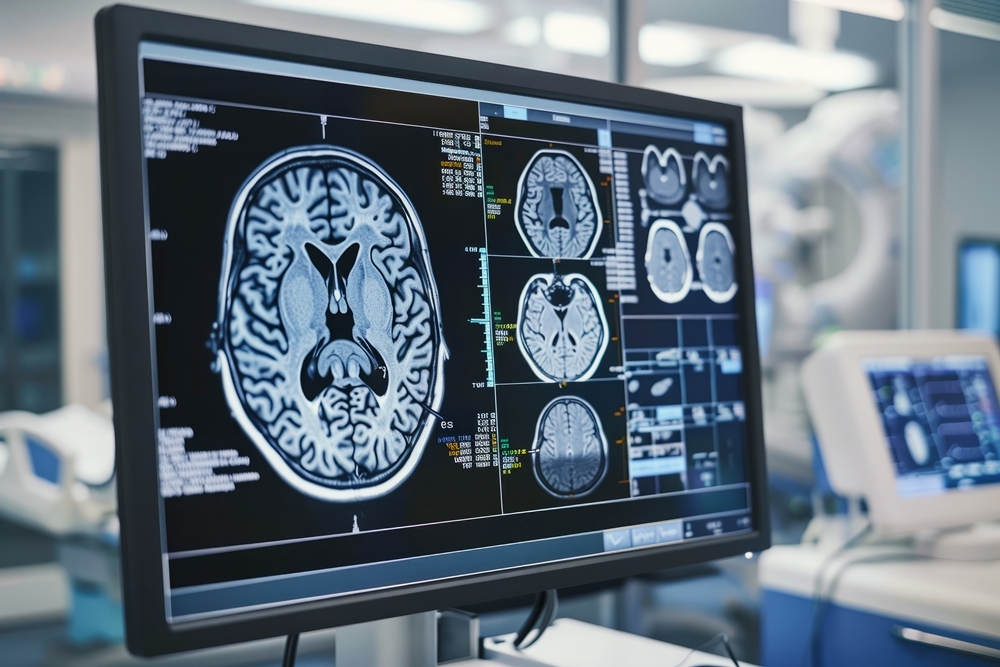
An AI tool used to assess stroke scans was linked to better stroke care and improved long-term outcomes in a large trial. The system used AI-assisted imaging analysis to classify the causes of a stroke alongside evidence-based treatment recommendations, and was tested against usual care in routine clinical practice. The trial involved 21,603 patients with [...]

Neurokinex - a leading provider of activity-based neurorehabilitation - is the first organisation in the UK approved to deliver the groundbreaking ARC-EX System from ONWARD Medical. A breakthrough moment, this positions Neurokinex at the forefront of non-invasive spinal stimulation delivery in a community-based rehabilitation setting. The arrival of the ARC-EX devices at its centres marks [...]


