The non-profit organisation Heroic Hearts is carrying out groundbreaking research looking at the impact of psilocybin – the psychoactive compound found in a variety of mushrooms – on traumatic brain injury (TBI) in military veterans.
Military personnel and emergency services workers are at high risk of TBI, with data showing that 4.4 per cent of personnel that returned from the Iraq and Afghanistan wars were diagnosed with a TBI.
The prevalence of TBI in military personnel is particularly significant within groups seeking help for mental health challenges, as TBI has been linked to conditions such as post-traumatic stress disorder (PTSD), anxiety and depression.
However, evidence submitted by Blind Veterans UK and the UK Acquired Brain Injury Forum on TBI care in the UK has shown that only 44 per cent of patients involved in one TBI study were seen by a doctor within three months of discharge, with fewer than seven per cent being seen by a head injury specialist.
The evidence further highlights that only half of the patients were discharged with TBI-based educational material, and the organisations emphasise that “it is therefore reasonable to speculate that statistics for veterans will be even worse as they transition from military to civilian care”.
Recently, the UK Ministry of Defence outlined ongoing initiatives and new developments aimed at improving mental health services for active duty personnel and veterans, highlighting a review which is currently being undertaken and set to be published in the first half of 2025.
The review is looking at the ministry’s medical capabilities, including services provided from the Defence Medical Services Department, and the report’s findings could potentially lead to improved healthcare services for military personnel and veterans.
While there are many medications available that can deal with the mental health symptoms associated with TBIs, along with non-medical interventions such as therapy, there are little to no medicines that directly address the physiological aspects of TBI.
In recent years, there has been an explosion of research into psychoactive and psychedelic compounds such as LSD, psilocybin, DMT, and MDMA, for example. Research has revealed promising results that show the potential efficacy of these compounds as innovative mental health treatments.
In particular, psilocybin has shown promise in the areas of PTSD, anxiety and depression, and is currently in Phase 3 trials for the treatment of resistant depression, having already received breakthrough therapy status for the condition from the US Food and Drug Administration (FDA).
While the compound shows a strong psychological effect on the brain, some pre-clinical evidence suggests that it may also have a physiological effect on the brain, pointing to the compound having potential anti-inflammatory effects.
Studying psilocybin for TBI
Founded in the US in 2017 by Army Ranger veteran Jesse Gould, Heroic Hearts connects military, police, and emergency services veterans with TBI and mental health conditions such as PTSD to psychedelic retreats around the world.
The organisation is on a mission to discover more about psilocybin and its impact on the brain, and whether this psychoactive compound may hold promise for both the mental health and physical aspects of TBI.
Headed by leading psychedelic researcher Dr Robin Carhart-Harris, Heroic Hearts is working in collaboration with Imperial College London at The Centre for Psychedelic Research to conduct a groundbreaking observational study looking at the effects of psilocybin in veterans with TBI.
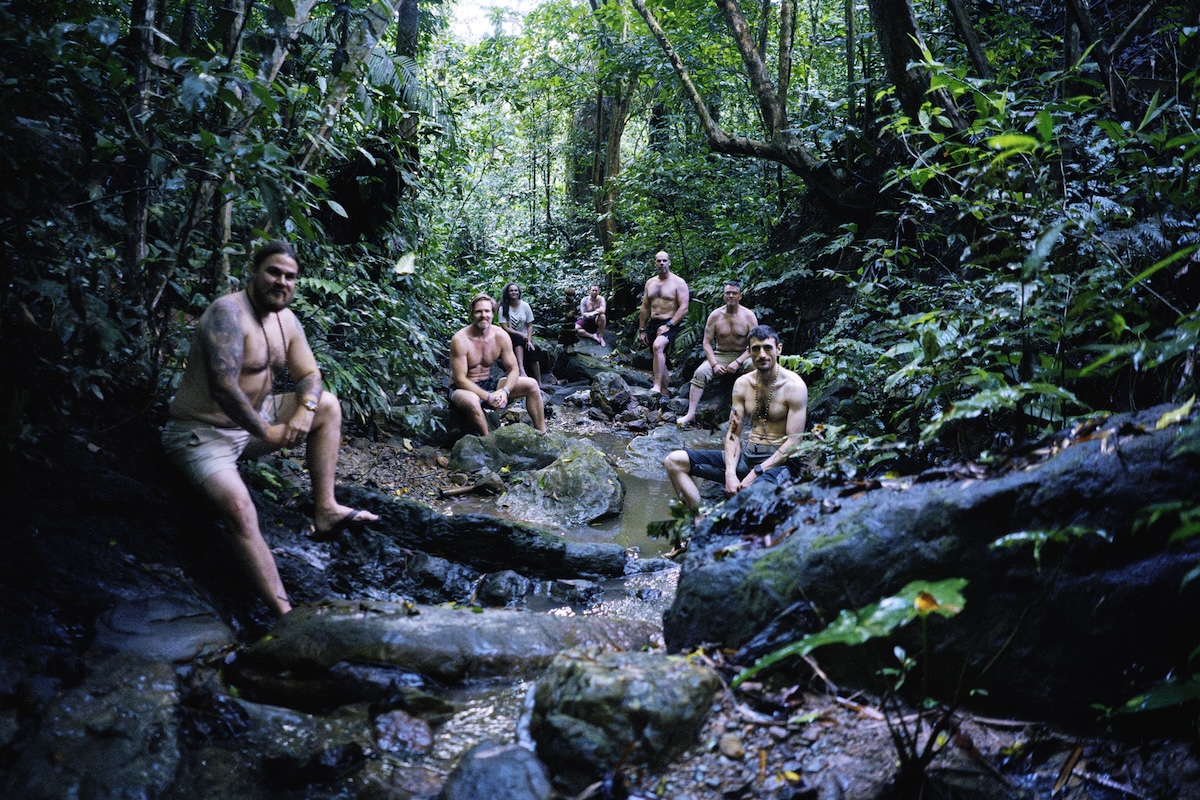
For the study, Heroic Hearts ran two retreats in Jamaica (pictured above) with Beckley Retreats, run by the Beckley Foundation which provides legal access to the therapy, where participants received psilocybin.
The research team measured the impact of the compound on brain function using electroencephalogram (EEG) imaging, looking at different brain oscillations, along with testing cognitive abilities and attention, and carrying out a survey to understand the psychological impact.
Research director of Heroic Hearts, Grace Blest-Hopley, tells NR Times: “We had 22 participants in the programme, and we collected data from behavioural questionnaires looking at things like PTSD levels, depression, and anxiety.
“We also asked them the post-concussion questionnaires and quality of life after brain injury questionnaires, as well as information about sleep disturbances, quality of mental wellbeing, and also some questions about moving from military to civilian life.
“We used EEG on the first day that participants arrived on the retreat, and then at the last moment we could, at least 48 hours after the last administration of the psychedelic.
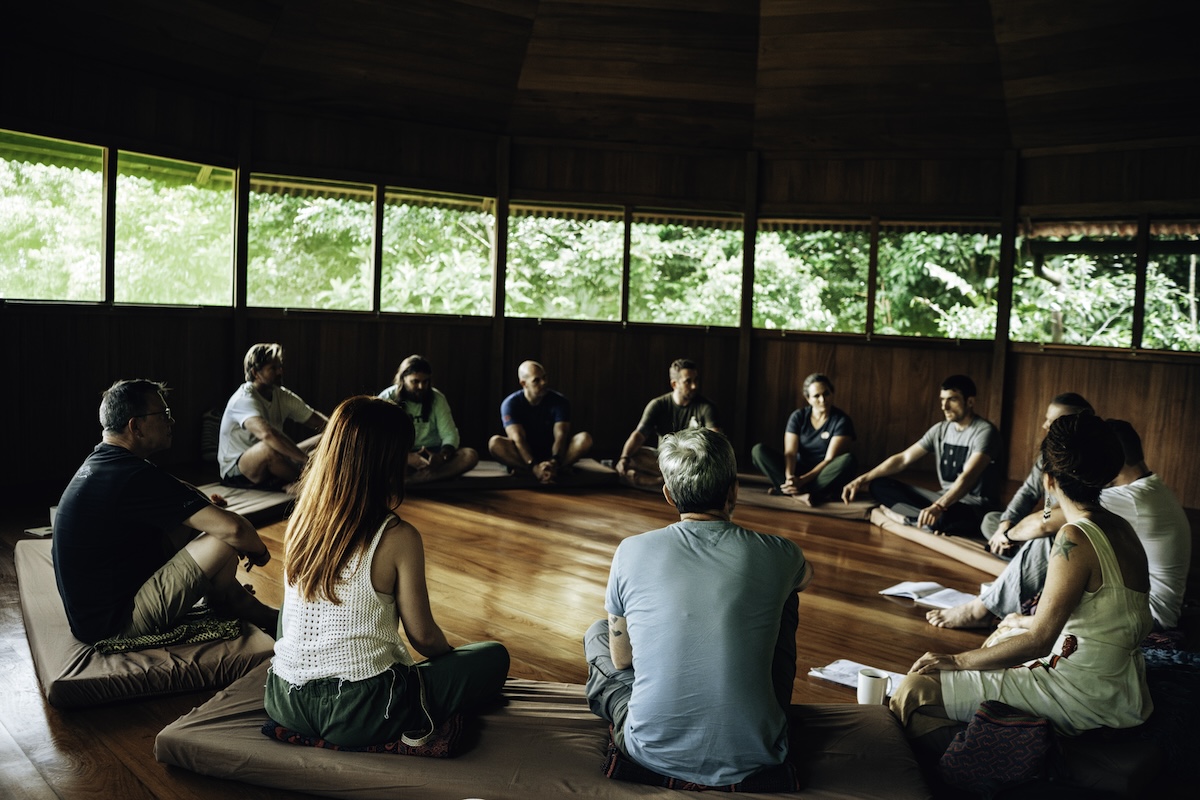
Participants of the project during a psychedelic retreat
“We saw very good results in terms of all of the behavioural questionnaires. We saw significance across all of them, in terms of the veterans’ improvement.
“In terms of the EEG, we saw differences from beginning to end, and what would be one of the most interesting findings for us was that we saw real differences in theta band connectivity, which is one of the bands that we know to be quite highly associated with TBI.
“So, we saw a lot of new connections with other kinds of waves and less dominance of the theta band within the results from before and after in the veterans.
“By using EEG, we’re trying to understand if we are seeing a functional difference as well as just those behavioural measures.”
The responses from participants in the retreats have so far been positive, explains Blest-Hopley, who was present to take EEG recordings.
“It was really transformative to watch them go through the process – to be able to watch them transform so much in the short time that they were there and in really positive ways.
“There has been some really specific feedback from some of the veterans around sleep, who had really disastrous sleep before, and have contacted me to express how far they’d come in terms of their sleep, which was really great to hear.
“We still have contact with the participants and they all continue to do quite well and support each other. From the data we’ve been able to collect, it shows that they have significantly improved in terms of certain symptomology measures, and obviously this is only four weeks after the event.
“We don’t know how long lasting these effects could be, but from what we’ve seen in early indications, it is very promising for this particular group of people.”
Understanding the anti-inflammatory impact of the compound is a difficult task, and Blest-Hopley explains that the research has led to the development of a new protocol from the University of Colorado Boulder that will include blood samples to measure inflammatory markers.
“Anti-inflammation is one of the mechanisms of action that we think is most likely to be beneficial when we’re talking about TBI and psilocybin.
“There’s a number of really good preclinical studies that are available now that really show this really powerful anti-inflammatory effect.
“We are also looking at what we see in terms of changes in neuroplasticity and neurogenesis, and how important they are. So, part of that neuro inflammatory process is allowing for the increase in neuroplasticity and neurogenesis.
“In order to measure something like that, we would have to look at different kind of markers.
“That’s something that we have been aware of, and that’s why we’ve got a new protocol that’s coming out of the University Colorado Boulder from the ethics board. In that we will be taking blood samples before people go into the retreat, and then four weeks after.
“A lot of what we are doing is trying to find signals, because we want to inspire people to go on and do the clinical development work that is required to fully understand the mechanisms behind this.”
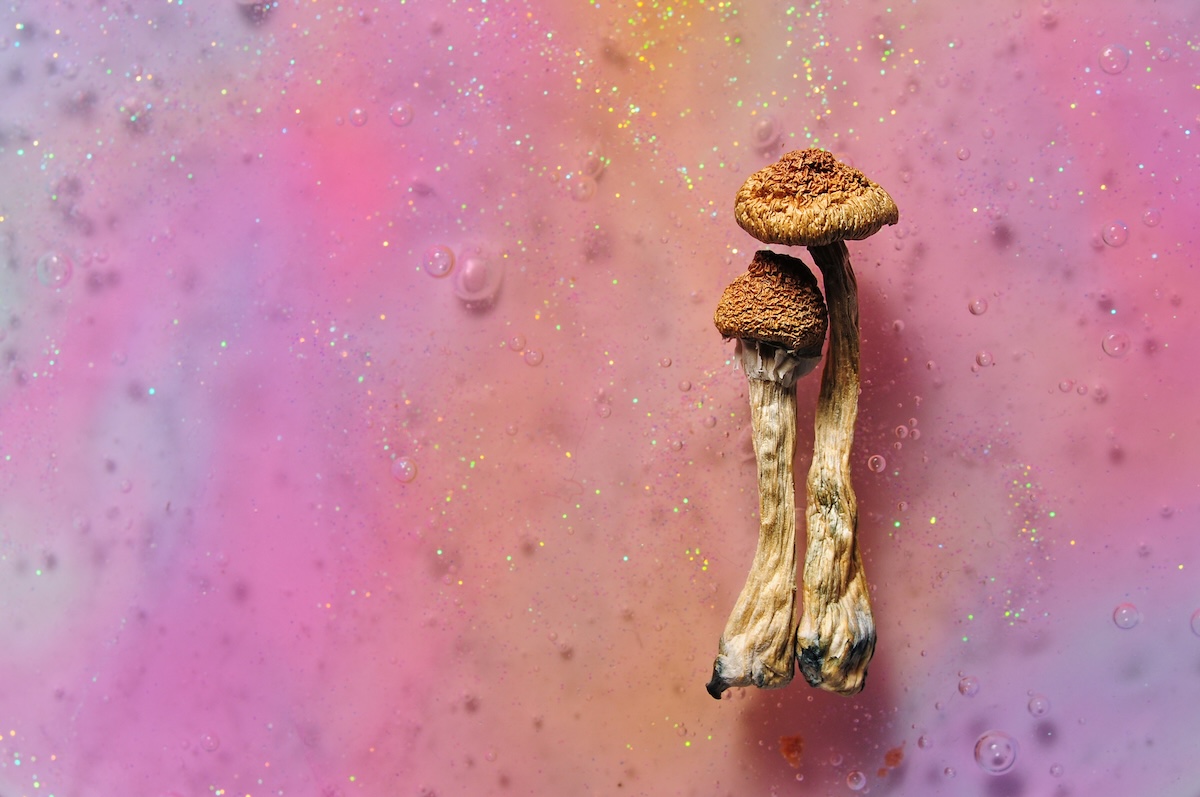
Psilocybin mushrooms
Supporting the veteran community
With so many veterans impacted by TBI, alongside its research, Heroic Hearts is focused on supporting the community by connecting them with access to safe and legal psychedelic retreats around the world.
“We serve a community who are so heavily impacted by TBI in the army, and there is such a lack of good drugs that can actually genuinely help, whereas this could be extremely promising and generally well tolerated and safe, which I think is very important,” says Blest-Hopley.
“We really need some new treatments, but it takes a long time to develop them. With TBI, I think it’s interesting that we think about it in the kind of spectrum of which TBI can affect us. However, it doesn’t always have to be a major TBI – sometimes with a mild TBI or compound TBI, continued exposure to them can have a real impact on us.
“I think it brings it all into a much more urgent lens when you think about the commonality of it and the consequences of these injuries.
“I think we need to be more aware of TBI and what the impact can be in terms of anxiety, brain fog, cognitive decline, and sleep issues, for example.”
Blest-Hopley says the Heroic Hearts team is now hoping to find more funding to help facilitate access to retreats for veterans who have TBIs, and that the research project will continue to collect further EEG and behavioural data.
“As a charity, we have our primary operations, which is to actually take veterans on these retreats.
“All of the veterans that come on these retreats are real people who have really suffered from having TBI.
“So, giving them the opportunity to come and take part in them is a huge priority of what we do.”