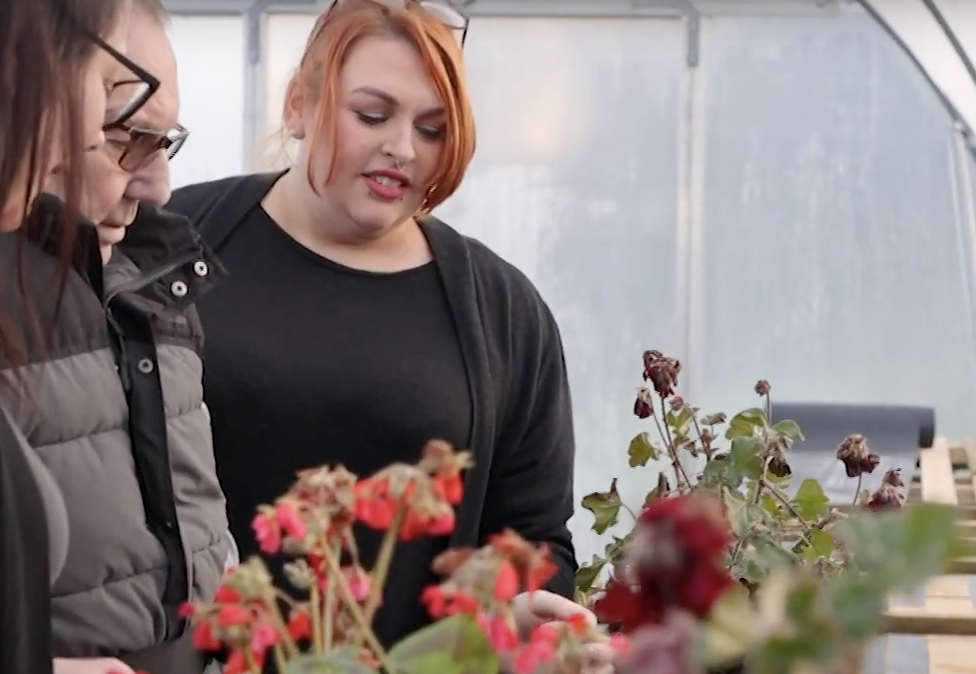
An occupational therapist dedicated to improving the experiences of patients who have had an above the elbow amputation has secured the first Chief AHP Fellowship at the National Rehabilitation Centre (NRC).
Amy Speight, an Occupational Therapy Advanced Practitioner based at the Mobility Centre at Nottingham University Hospitals NHS Trust, has been selected from dozens of applicants to research how to provide the best possible experience for this specific group of rehabilitation patients.
Trans-humeral amputee patients often have their limb difference as a result of major traumatic incidents such as agricultural or industrial accidents or road traffic collisions; burns, sepsis or sarcoma (cancer); or elective surgery to salvage a shoulder joint or eliminate chronic pain.
These patients are supported by a wide range of allied healthcare professionals including occupational therapists, physiotherapists, nurses, prosthetists and clinical psychologists.
As this patient group is very small – making up just four per cent of the 1,680 amputees in the region supported by the mobility centre – there has been limited research into their rehabilitation to date, which can result in a lack of consistency in their experience.
“I want to improve what we do as a service for this cohort of patients so that we are doing as much as we can to benefit each individual’s circumstances,” said Speight.
“The challenge is that every upper limb amputation patent is markedly different because each of us does different things with our shoulders, elbows, wrists and hands; and as it is a small cohort of patients, the transfer of learning to benefit other patients is harder.
“In order to inform our practice, we need to do more intensive research and find a way for patients to engage with developing our pathways – and the new national rehabilitation centre is the perfect place to do that.”
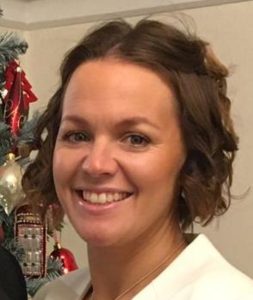
Amy Speight. Photo: Nottingham University Hospitals NHS Trust
Speight has worked within the profession for 15 years, including within prosthetics, and most enjoys supporting amputees through their rehabilitation.
She said: “I have always found this particular patient group interesting and inspiring as they often have an excellent perspective on their recovery and rehabilitation. Offering a life-long service, we have an opportunity to really get to know our patients and support them through different stages of life.
“There is a very clear role for Occupational Therapists – losing a significant part of their anatomy has a huge impact on a patient’s day to day life – and the work we are doing is spectacular, with specialist skills.
“The job is incredibly varied too – support can take place in their own home, school, work, a clinic, a ward or in the community. Ultimately, what we do is always patient centred in its approach.”
She hopes that her research will contribute towards upper-limb rehabilitation being well-led and well-informed, by being quickly incorporated into clinical practice and helping to develop new skills within the existing teams and at the future NRC. Speight also plans to undertake further research in the future, including a PhD.
This is the second cohort of fellowship programmes for Allied Health Professionals, but the first time an NRC-funded fellowship has been offered.
Find out more about the National Rehabilitation Centre here.