The role of SAS Doctors in neuropsychiatric rehabilitation
By Cygnet Health Care
To mark SAS Doctors Week, we are highlighting the expertise and contribution of SAS doctors working across Cygnet Health Care, including the specialist role they play in supporting patients through complex neuro-rehabilitation journeys.
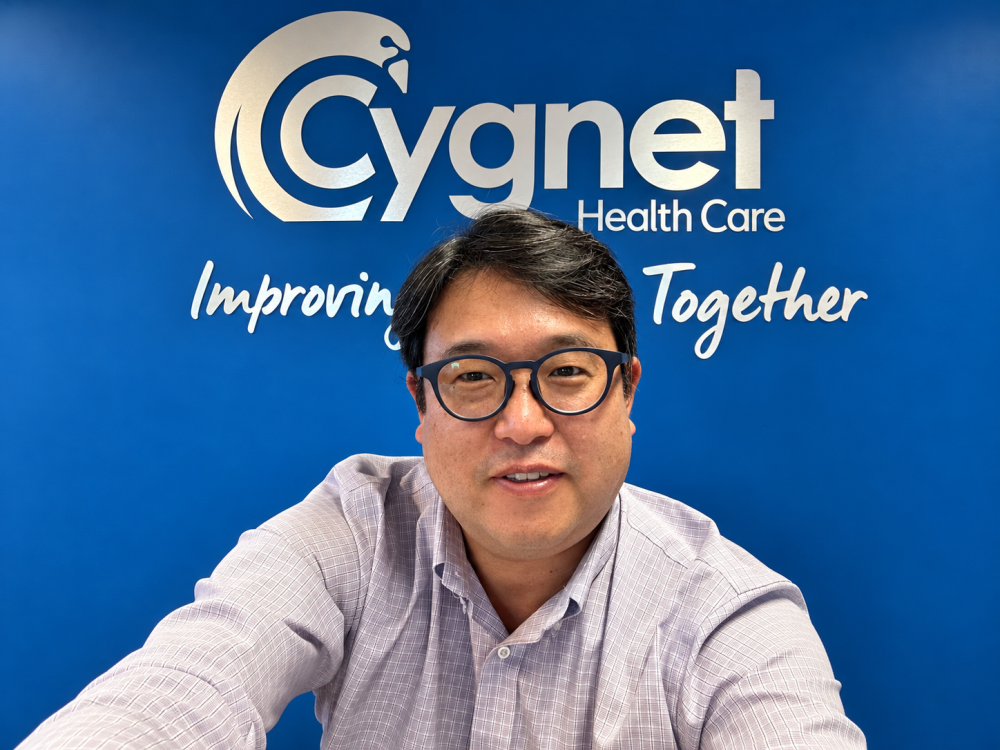
For Dr You Chan (Ben) Shin, acting consultant in neuropsychiatry at Cygnet Hospital Taunton, a career spanning emergency medicine, general surgery, internal medicine, ophthalmology and neuroscience has provided a broad clinical foundation for his work in neuropsychiatric rehabilitation.
Learn more about Cygnet Health Care
Dr Shin began his medical journey at Korea University College of Medicine in South Korea, before undertaking clinical research at POSTECH Biotechnology Research Center and the Singapore Eye Research Institute. His varied clinical experience eventually led him towards psychiatry and, specifically, neuropsychiatry.
For Dr Shin, the specialty brings together his interest in neuroscience with the complex physical and psychological needs of patients.
“I’ve always been fascinated by the intricate intersection between the physical brain and human behaviour, mind, and emotion.”
During his residency and clinical research in neuroscience, Dr Shin saw the significant impact psychiatric conditions can have on individuals and their families, often alongside complex physical health comorbidities.
He said: “Psychiatry, and specifically neuropsychiatry, allows me to view the patient holistically, combining neuroscientific rigor with deep compassionate care.”
Dr Shin’s experience across multiple medical specialties continues to inform his approach to neuropsychiatric care.
His background in internal medicine, neurology and neuro-ophthalmology gives him a broad perspective when assessing patients with complex presentations, while his psychiatric expertise enables him to consider the interaction between neurological, physical and psychological factors.
He says his experience also helps him identify subtle neurological signs, manage complex general medical issues and work effectively with colleagues across specialties.
“Having completed GP training coursework, I am well-equipped to manage complex general medical issues on the ward and hold clear, peer-to-peer discussions with primary care GPs.”
“Similarly, my background in neurology and neuro-ophthalmology allows me to identify subtle neurological signs early and liaise effectively with visiting neurology teams.”
He believes this breadth of experience is particularly relevant in neuropsychiatric rehabilitation, where patients may have complex and overlapping physical, neurological and psychiatric needs.
As an Acting Consultant in Neuropsychiatry, Dr Shin’s role includes patient reviews, comprehensive mental state and physical health examinations, management of complex psychopharmacological treatment plans and multidisciplinary team meetings.
He also leads Care Programme Approach (CPA) reviews, conducts Section 12(2) assessments under the Mental Health Act, and contributes to First-tier Tribunal reports and discharge planning.
However, one of the most significant aspects of his work is the opportunity to provide continuity of care.
“Because SAS doctors often stay with a service for longer periods, we become a trusted anchor of clinical stability for both our patients and the wider multidisciplinary team.
“In neuropsychiatry, that continuity can be particularly valuable because rehabilitation is often a gradual process, with progress varying significantly between individuals.”
Dr Shin has seen patients make dramatic improvements, including patients emerging from post-traumatic amnesia (PTA) and experiencing a rapid change in both their psychiatric presentation and physical functioning.
“Sometimes, we see truly dramatic recoveries, such as patients emerging from post-traumatic amnesia (PTA), showing a rapid, remarkable turnaround in both their psychiatric presentation and physical function.
“In other cases involving slow-stream rehabilitation, progress is a longer journey. But even then, delivering specialist neuropsychiatric rehab steadily transforms their quality of life.”
For Dr Shin, the value of neuropsychiatric rehabilitation is not limited to changes in symptoms or clinical presentation.
“Seeing patients gain enough functional independence to step down into a less restrictive environment, bringing them closer to their families and loved ones, is deeply fulfilling and makes all the work worthwhile.
“This longer-term perspective is central to rehabilitation, where the journey towards greater independence can involve a combination of medical management, psychological support, therapy and wider multidisciplinary input.”
Dr Shin believes SAS doctors can make a distinctive contribution to neuropsychiatric services through a combination of clinical experience, specialist knowledge and continuity.
Many SAS doctors have developed their careers across different specialties and healthcare systems, bringing diverse perspectives to their work. In Dr Shin’s case, his experience across internal medicine, ophthalmology, neuroscience and psychiatry enables him to consider patients from multiple clinical perspectives.
“This multidimensional perspective enables SAS doctors to bridge clinical gaps, mentor junior staff, and deliver well-rounded senior clinical leadership.
“For patients receiving neuropsychiatric rehabilitation, that breadth can be particularly valuable where physical health, neurological conditions and mental health needs intersect.”
Dr Shin chose the SAS pathway because it provided the stability and flexibility to consolidate his varied clinical and research experience while developing specialist expertise.
“Choosing the SAS pathway allowed me the stability, flexibility, and focus needed to deepen my clinical practice in specialist areas without the rigid rotations of traditional training pathways.”
He believes the pathway offers doctors the opportunity to develop specialist expertise, contribute to clinical leadership, undertake audits and research, and maintain continuity with patients.
“Don’t view it as a compromise, it is a powerful platform for personal and professional growth, clinical leadership, and making a tangible difference in patient care.”
Learn more about Cygnet Health Care

 UK's 'first' 24/7 thrombectomy service opens in Belfast