Initiative launched to improve emotional health of brain injury survivors
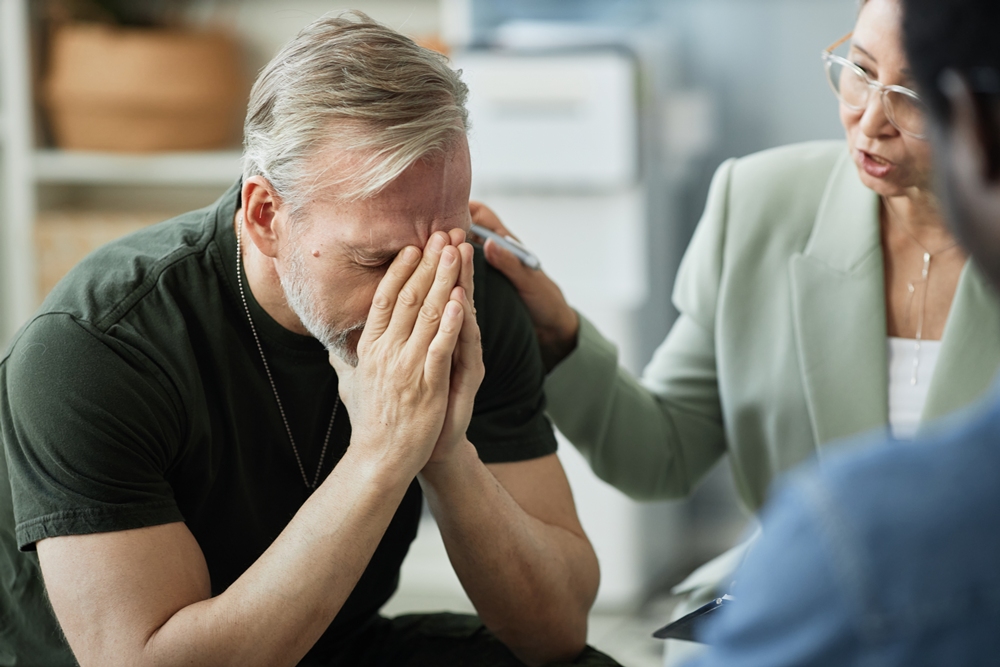
Three US organisations have launched a three-year initiative to improve emotional health support for people living with brain injury and their carers.
The project will develop, test and expand approaches to preventing and addressing emotional health difficulties, with a focus on improving access to care and support.
It will cover four areas: prevention, identification of emotional health problems, clinical response and connecting people with services.
The initiative brings together the Brain Injury Association of America (BIAA), the National Association of State Head Injury Administrators (NASHIA) and the North American Brain Injury Society (NABIS).
Funding has been provided by the Moody Endowment, which supports brain injury research and rehabilitation.
Alan Weintraub, chairman and chief executive of NABIS, said: “No one should have to piece together care alone.
“This collaboration will systematise how individuals and families navigate complex health care systems, financial barriers, and fragmented community services, so they can put their energy into what matters most: their well-being, their purpose, and a life that is meaningful to them.”
Emotional health difficulties are among the most common and persistent consequences of brain injury.
Adults and children with brain injuries face an increased risk of chronic behavioural health conditions, including depression, anxiety, post-traumatic stress disorder and substance use disorders.
These problems can develop at different stages after an injury, making them difficult to address through a single intervention.
The three organisations plan to bring research, clinical practice and community services together to improve how people receive support.
Researchers, clinicians and brain injury specialists will develop, test and introduce tools intended to improve emotional health outcomes for survivors and carers.
Rick Willis, president and chief executive of BIAA, said the Moody Endowment had helped shape the project through its involvement in brain injury research and rehabilitation.
He said: “The Moody Endowment is more than simply a funder of this critical project.”
Willis added: “They are a valued partner whose expertise and involvement in brain injury research and rehabilitation has informed our approach to the initiative.”
Rebeccah Wolfkiel, executive director of NASHIA, said the collaboration would draw on the organisations’ complementary expertise to connect research, clinical care and community support.
The project will also address difficulties faced by survivors and families navigating healthcare systems, financial barriers and fragmented community services.
Over the three years, the organisations aim to establish an integrated approach that can be expanded across services, supporting people affected by brain injury throughout recovery and longer-term care.
 Care homes treated as ‘afterthought’ during pandemic, inquiry finds