Study to look for early signs of Parkinson’s in 80,000 blood samples
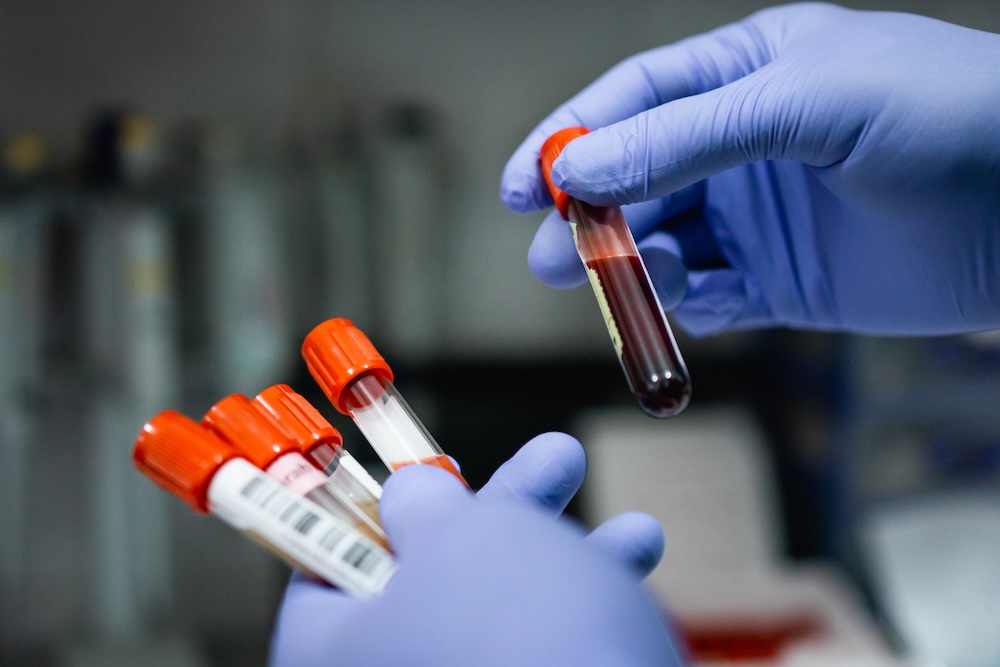
A study will analyse 220 proteins in blood samples from 75,000 UK Biobank participants to investigate early signs of dementia and Parkinson’s before symptoms appear.
Researchers aim to identify biological changes linked to declining brain health that may begin years before diagnosis, potentially supporting earlier detection, treatment and prevention.
The study will also investigate why some people maintain healthy brain function as they age, alongside differences in genetic risk for neurological conditions.

The project is being led by Finnish health technology company Nightingale Health, working with Alamar Biosciences and UK Biobank.
Dr Adam Lewandowski, deputy chief scientist at UK Biobank, said: “Understanding how the brain stays healthy as we age is one of the biggest challenges in medical research.
“Proteins play a vital role in this process. Yet we still know relatively little about how they work together to influence brain health.”
More than one million people in the UK are living with conditions affecting brain health, including Alzheimer’s disease, vascular dementia and Parkinson’s disease.
That number is expected to rise as the population ages.
Changes associated with these conditions can begin more than a decade before symptoms appear, making early diagnosis and intervention difficult.
Researchers will use a highly sensitive blood test developed by Alamar Biosciences to measure proteins present in very small quantities.
Unlike DNA, which provides genetic instructions, protein levels can change over time and may offer clues about the early stages of disease.
This large-scale study of proteins, known as proteomics, will focus on markers in the bloodstream associated with processes including brain cell damage and inflammation.
The test does not directly measure what is happening in the brain. Instead, researchers will examine whether changes in these proteins can provide information about neurological disease and healthy brain ageing.
The new measurements will be combined with UK Biobank’s existing brain imaging, genetic, metabolic and lifestyle data.
Researchers will also compare protein patterns in people carrying genetic variants associated with increased risk of neurological conditions against those who do not carry the variants and have not developed disease.
The aim is to investigate whether particular protein patterns could help identify changes associated with brain health conditions before symptoms develop.
Nightingale Health has previously generated metabolomic data for all 500,000 UK Biobank participants. Metabolomics involves studying small molecules produced through the body’s chemical processes.
Teemu Suna, founder and chief executive of Nightingale Health, said: “We have already generated metabolomic data on all 500,000 UK Biobank participants, and adding brain health protein biomarkers measured in our laboratories to the same cohort creates a uniquely rich resource for understanding the earliest molecular changes behind dementia, Parkinson’s disease and related conditions.”
Combining the protein measurements with existing data could help scientists investigate how neurological conditions develop long before a clinical diagnosis.
Data from the project is expected to become available to approved researchers worldwide through UK Biobank’s cloud-based research platform from 2027.
The study is supported by the Michael J. Fox Foundation for Parkinson’s Research, Alzheimer’s Research UK and LifeArc.
Professor Jemma Hopewell, professor of precision medicine and epidemiology at the University of Oxford, helped shape the project and plans to use the data in her team’s research.
She said: “This study demonstrates the power of collaborative partnerships built on the extraordinary richness of UK Biobank data.”
The research could also help scientists explore connections between neurological conditions and diseases affecting other organs, including the heart.
Using blood samples donated by participants, the project aims to create what UK Biobank describes as the world’s largest readily available resource for studying early changes in brain-specific proteins associated with neurological conditions.
Researchers hope eventually to extend the analysis to all 500,000 UK Biobank participants, allowing them to investigate brain health and disease across a larger population.
 Experimental MS pill cuts relapses in two major trials