Air ambulance blood test detects brain bleeds within minutes
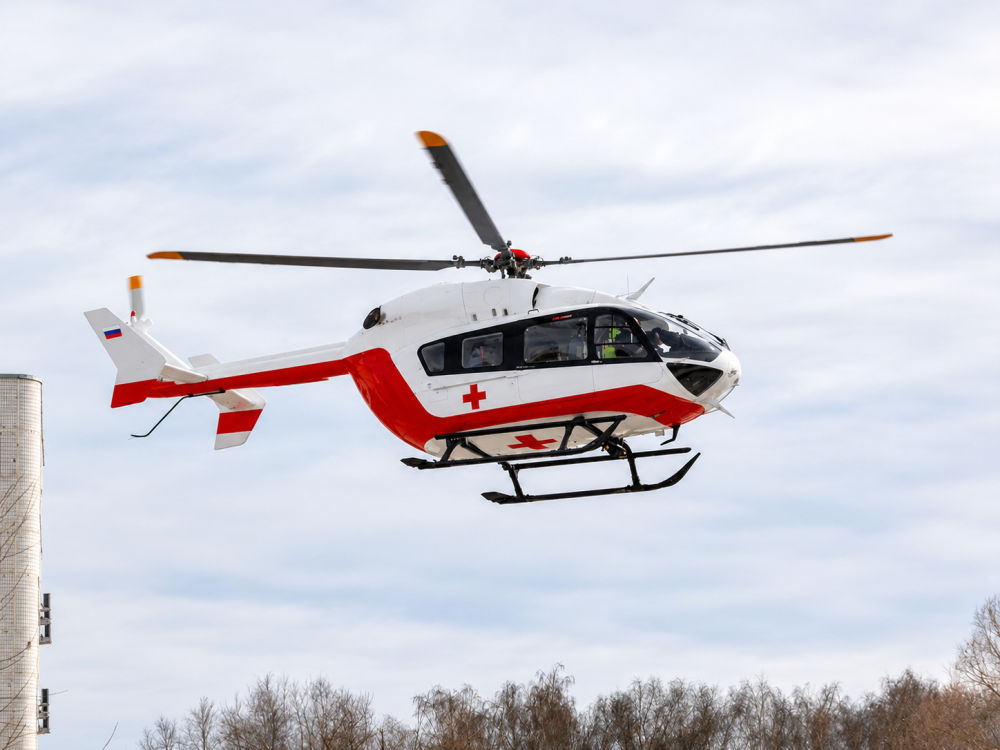
A blood test used by an air ambulance service identified every recorded brain bleed in an initial group of patients, with results available within minutes.
The handheld test measures biological markers associated with brain injury, giving emergency clinicians information about possible serious bleeding before patients reach hospital.
Early findings showed that the technology correctly identified every case of intracranial haemorrhage, or bleeding within the skull, among the patients assessed.

Dr James Price, helicopter emergency medical services consultant and clinical lead for research and development at East Anglian Air Ambulance, said the initial findings were encouraging.
He said: “For the first time, we can obtain biological information about possible brain injury while we are still at the patient’s side.”
East Anglian Air Ambulance has been evaluating the technology through its BRAIN-FIRST programme, which allows critical care teams to conduct blood tests at the scene of medical emergencies.
The programme uses the i-STAT Alinity handheld analyser, manufactured by Abbott Point of Care, to measure two brain injury biomarkers known as GFAP and UCH-L1.
These biological markers are released into the bloodstream when cells in the brain are damaged. Their levels can be measured from a small blood sample within minutes.
Doctors and paramedics have traditionally relied on a patient’s medical history, physical examination and clinical signs to assess the likelihood of bleeding in the brain.
A definitive diagnosis generally requires a CT scan in hospital.
The new approach could help clinicians identify patients at higher risk earlier and decide how urgently they need specialist care.
Patients with suspected intracranial haemorrhage may initially be taken to hospitals without specialist neurosurgical facilities, requiring a subsequent transfer to a neuroscience centre.
Earlier identification could help emergency teams choose the most appropriate hospital from the outset, potentially reducing delays to treatment.
Price said earlier identification of patients at high risk of serious bleeding could help avoid unnecessary hospital transfers and improve access to specialist treatment.
Although the test identified every recorded case of intracranial haemorrhage in the initial group, further evaluation is needed in a larger and more diverse patient population.
East Anglian Air Ambulance is now working with other UK and international ambulance services to expand the research.
Its critical care teams have continued using the technology, with the test deployed in more than 200 patients with suspected serious brain injury.
The charity is also developing BRAIN-FIRST2, a follow-up programme investigating how blood biomarkers can be combined with clinical information to support more personalised decisions before patients reach hospital.
The aim is to improve how clinicians assess suspected brain injuries and make decisions about treatment and hospital destinations.
BRAIN-FIRST has received financial support from Tony and Maggie Abel of Abel Homes.
East Anglian Air Ambulance has also been shortlisted for the Innovation of the Year category at the Air Ambulance UK Awards of Excellence 2026, scheduled for 3 December at the Telford International Centre.
 Newborn brain injury drug reaches FDA milestone