Study to explore whether hyperbaric oxygen therapy can help veterans with hidden brain injuries
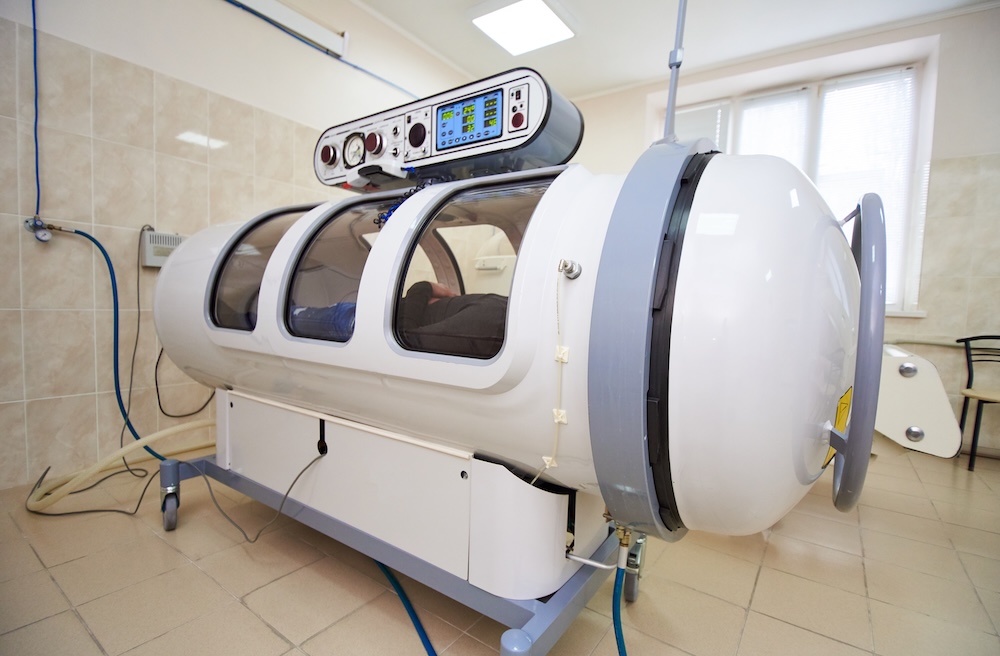
A US trial is testing whether hyperbaric oxygen therapy can ease long-term symptoms of traumatic brain injury and post-traumatic stress in veterans.
The study is examining whether breathing pure oxygen in a pressurised chamber can improve sleep problems, headaches, emotional difficulties and cognitive symptoms.
Researchers are also investigating changes in hearing, balance, brain activity and gut health to understand how the treatment might affect recovery.
Harry van Loveren, director of the Department of Neurosurgery, Brain and Spine at USF Health Morsani College of Medicine, said TBI and post-traumatic stress disorder (PTSD) can affect several aspects of everyday life.
“The goal is not only to determine whether hyperbaric oxygen therapy works, but to understand what changes are occurring when patients improve,” van Loveren said.
The trial, run by USF Health at the University of South Florida, began in 2024 and remains ongoing.
More than 300 veterans have enrolled, with 192 randomised to begin treatment. The study aims to recruit 420 participants.
Half of those randomised will receive pure oxygen at twice normal atmospheric pressure, while the other half will breathe regular air in the same chamber.
Participants in the comparison group will be offered a full course of hyperbaric oxygen therapy (HBOT) at no cost after completing their study cycle.
Each participant undergoes 40 sessions, during which blood, oxygen and other physiological measurements are monitored.
HBOT increases the amount of oxygen dissolved in the bloodstream, potentially allowing more oxygen to reach damaged tissues.
Researchers hope this could promote brain healing and reduce inflammation, although the trial has not yet established whether it benefits people with traumatic brain injury (TBI).
The treatment is already used for other conditions, including carbon monoxide poisoning.
 Sports concussion study challenges assumptions about dangerous head impacts