AI-powered medicines could pave way to new treatments for Parkinson’s and MND
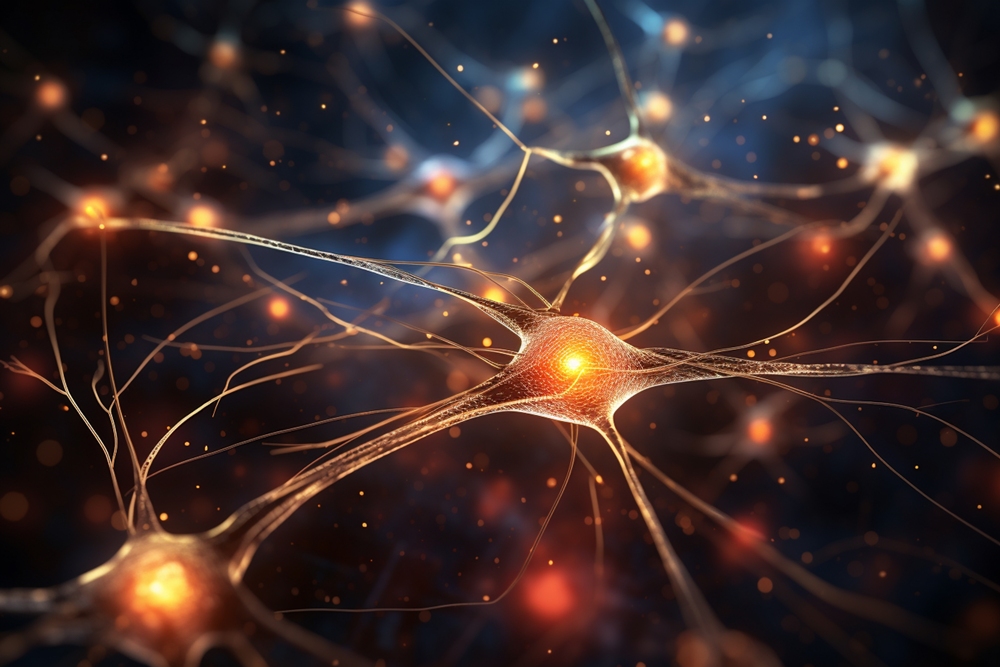
AI-designed intrabodies could help target disease-linked proteins inside cells, with potential applications in Parkinson’s, MND and Alzheimer’s treatments.
The microscopic antibody fragments are designed to remain stable inside human cells, where they can attach to proteins associated with neurodegenerative conditions.
Researchers used artificial intelligence and protein redesign techniques to convert 672 antibodies into intrabodies capable of targeting disease-related proteins.
The work was carried out by researchers at the University of Essex with an international team and was funded by the MND Association.
Ordinary antibodies generally work outside cells. Intrabodies are antibody fragments engineered to remain stable within cells, allowing them to target proteins involved in neurodegenerative conditions.
The team found that electrical charge was a key factor in determining whether antibody fragments remained stable and functional inside cells.
Using this finding alongside AI-based protein redesign, the researchers altered the antibodies so they could function as intrabodies.
The redesigned molecules will be made freely available to other scientists.
Caitlin O’Shea, lead author and a researcher specialising in MND and Parkinson’s disease, said: “We looked at the properties of millions of antibodies and compared them with human proteins found inside the cell.
“From this we figured out that antibodies usually have the wrong charge to exist inside cells without sticking together.
“We used software developed by Nobel Prize winner David Baker and his group to redesign our antibody fragments, so they had the right charge and are super stable.”
The researchers said the approach could allow scientists to find new uses for millions of antibodies developed during decades of biomedical research.
Rather than starting from scratch, existing antibodies could be adapted as laboratory tools and potentially provide a basis for future treatments aimed at disease-causing proteins.
Gareth Wright, who directed the research, said the approach could have major implications for diseases affecting tens of millions of people worldwide.
He said: “We’ve made intracellular antibodies that stick to proteins that cause neurodegenerative diseases such as Alzheimer’s, Parkinson’s, Huntington’s and motor neurone disease.
“These diseases can lead to cognitive impairment, forgetfulness, loss of muscle control and death. They affect over one million people in the UK alone, so they are a big public health concern.
“There are no cures for these diseases and finding molecules that interact with the proteins that cause them in their native environment is a major challenge in the medicine discovery process.”
The MND Association welcomed the findings and highlighted their potential importance for future treatments.
Brian Dickie, chief scientist at the charity, said: “Dr. Wright and his colleagues have made a significant advance in overcoming one of the key challenges that has impeded the development of antibodies as treatments for neurodegenerative diseases, such as MND.
“Their research findings provide optimism that a combination of this novel ‘intrabody’ science with emerging gene therapy techniques may lead to new therapeutic strategies that can hit specific molecular targets within neurones.”